Deposits and Cancellation Terms
It's an unfortunate truth that planning an Idaho hunting adventure often feels like navigating a financial minefield, especially when it comes to booking an outfitter. You're dreaming of crisp mountain air, the bugle of an elk, or the challenge of a high-country mule deer, but then the realities of deposits and cancellation policies hit. It can be incredibly frustrating to commit significant funds upfront without a clear understanding of what happens if life throws a curveball. This guide aims to pull back the curtain on the often-confusing world of outfitter deposits and cancellation terms in Idaho, helping you understand your financial commitments and how to protect your investment for that dream hunt.
Understanding the Landscape of Hunt Deposits in Idaho
When you decide to go with a guided hunt in Idaho, whether it's for elk, deer, bear, or even a backcountry fishing trip, one of the first things you'll encounter is the deposit request. It's not just a formality; it's the bedrock of the outfitter's operation. Understanding why these deposits are necessary and how they're typically structured can help you feel more secure in your booking.
Why Outfitters Require Upfront Deposits
Think about it from an outfitter's perspective for a moment. They're running a complex business that operates on a seasonal cycle, often booking hunts a year or even two in advance. When you commit to a hunt, that's a slot on their calendar that can't be offered to anyone else. Your deposit isn't just a down payment; it's a commitment that allows them to start planning and allocating resources specifically for your trip.
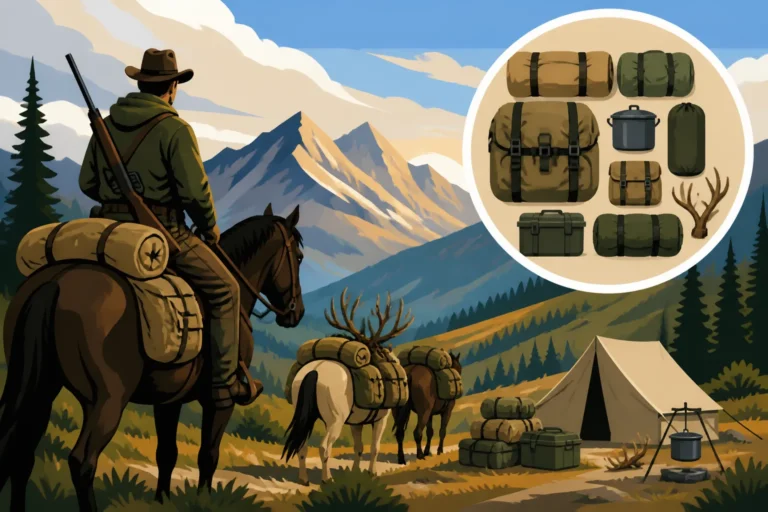
For instance, a reputable Idaho outfitter might need to secure permits for specific national forest areas, book their guides and wranglers for certain dates, and purchase provisions and feed for their horses or mules months in advance. Many outfitters operate on public land under special use permits from the Forest Service or BLM, and those permits often dictate how many clients they can take and when. If you back out last minute, that outfitter is left with an empty slot, guides and stock that are already committed, and potentially perishable supplies. This isn't just an inconvenience; it's a direct financial loss. The deposit acts as a safeguard against this lost opportunity and helps cover the initial administrative and planning costs associated with your booking. It signals that you are serious about the adventure and provides them with the working capital to make it happen.
Typical Deposit Structures and Amounts
The amount of a deposit and how it's structured can vary quite a bit among Idaho outfitters, but there are some common patterns you'll see. Generally, you can expect to put down anywhere from 25% to 50% of the total hunt cost as an initial deposit. For higher-demand hunts, like a prime-time archery elk hunt in a coveted zone, that percentage might be on the higher end, simply because the demand is so intense and the logistical commitment from the outfitter is significant. Some outfitters might ask for a smaller initial deposit to hold your spot, followed by one or more installment payments leading up to the hunt, with the final balance due usually 30 to 90 days before your arrival. Others might prefer a larger single deposit upfront.
The type of hunt also plays a role. A fully guided, all-inclusive elk hunt with horses and a backcountry camp, for example, will likely require a substantial deposit given the extensive resources the outfitter must commit. The Average Cost of a Guided Idaho Elk Hunt can be quite a sum, so a 50% deposit can be significant. On the other hand, a simple drop camp might have a slightly different deposit structure, though still considerable, as the outfitter is still packing you in and out and providing equipment. Always clarify if the deposit includes any administrative fees or if it's purely a portion of the hunt cost itself. Looking at Typical Deposit Amounts Idaho Outfitters Ask can give you a good benchmark for what's customary. A clear understanding of these financial milestones from the outset prevents any unwelcome surprises down the road and ensures both parties are on the same page regarding payment expectations.
Navigating Cancellation Policies: What Every Hunter Should Know
Deposits are the entry fee, but cancellation policies are the rules of the game if you have to exit early. This is where many hunters get caught off guard, facing disappointment and financial loss. It's crucial to understand the different scenarios that can lead to a cancellation and what each might mean for your money.
Common Reasons for Hunt Cancellations
Cancellations happen, and they can stem from either the hunter's side or, less frequently, the outfitter's. From the hunter's perspective, life has a funny way of interfering with well-laid plans. A sudden family emergency, an unexpected job loss, a significant health issue that prevents strenuous activity, or even drawing a different, more desirable tag in another state can all lead to a hunter needing to cancel. Sometimes, it's a simple case of scheduling conflicts that arise closer to the hunt date, making it impossible to attend. These are often deeply personal and unavoidable situations, but unfortunately, they don't always translate into a full refund from an outfitter.
On the outfitter's side, cancellations are rarer for established operations but can occur. Unforeseen natural disasters like wildfires that close large hunting areas, extreme weather events that make access impossible, or even changes in game regulations or quotas by the state can force an outfitter to cancel. While less common, issues like a key guide falling ill or an equipment breakdown might also necessitate a rescheduling or cancellation. In such cases where the outfitter initiates the cancellation, their policies typically lean more favorably towards the hunter, often offering a full refund or a credit for a future hunt. However, it's vital to have a clear understanding of What Happens If an Outfitter Cancels before you ever sign on the dotted line.
Refund vs. Rebooking vs. Forfeiture
When a cancellation occurs, an outfitter's policy will generally fall into one of three categories: refund, rebooking, or forfeiture. A refund is pretty straightforward: you get some or all of your money back. This is most likely if the outfitter cancels due to their own unforeseen circumstances or inability to provide the contracted service. It's rare for a full cash refund to be offered if you cancel, especially as the hunt date approaches, unless a specific clause in the contract allows for it under certain conditions, such as finding a replacement hunter.
Rebooking (or rescheduling) is a more common option, particularly if you cancel due to a legitimate personal emergency well in advance. Many outfitters, especially the more understanding ones, would prefer to keep your business and offer to move your hunt to the following year or a different season if they have availability. This allows them to retain your deposit as a credit and avoids the administrative hassle and lost revenue of a complete cancellation. This is a mutually beneficial arrangement when possible.
Forfeiture is what happens when you lose your deposit entirely. This usually occurs with late cancellations, especially if the outfitter cannot fill your spot. If you back out a month before a hunt with no valid reason, or simply don't show up, you can almost guarantee your deposit will be kept to cover the outfitter's losses. The terms of forfeiture should be clearly spelled out in your contract, detailing the notice period required to avoid losing your funds. Delving into Reading the Cancellation and Refund Terms in your specific contract will provide the precise details for your situation.
The Role of Timelines and Notice Periods
The single most critical factor determining the outcome of a cancellation is the timeline and the notice period you provide. Outfitters often have tiered cancellation policies based on how far in advance you cancel. For example, if you cancel more than 180 days out, you might receive a 75% refund. If it's between 90 and 180 days, it might be a 50% refund or a credit for a future hunt. If it's less than 90 days, you might forfeit your entire deposit.
These timelines are not arbitrary. They reflect the outfitter's ability to rebook that spot. The closer to the hunt date, the harder it is for them to find a replacement client, especially for specialized hunts or those requiring specific tags. A prime September elk hunt might have been booked two years prior, and finding someone willing and able to drop everything and pay for it with only a few weeks' notice is nearly impossible. Therefore, the earlier you communicate any potential issues, the better your chances are of retaining some value from your deposit, whether through a partial refund or a rebooking option. Always review these dates carefully when you sign your contract and keep them in mind as your hunt approaches.
Mitigating Risks: Protecting Your Investment
Hunting trips, especially guided ones in Idaho, represent a significant financial and emotional investment. No one wants to lose their hard-earned money due to unforeseen circumstances. Thankfully, there are proactive steps you can take to safeguard your investment and peace of mind.
The Value of Written Contracts and Agreements
This cannot be stressed enough: always get everything in writing. A verbal agreement, no matter how friendly or well-intentioned, is simply not enough when thousands of dollars and precious vacation time are on the line. A comprehensive written contract or booking agreement from your Idaho outfitter is your best friend. This document should explicitly detail the hunt dates, species, services included, total cost, payment schedule, and, most importantly, the deposit and cancellation terms.
Look for clauses that address what happens if you cancel, what happens if the outfitter cancels, and any provisions for rebooking or transferring your deposit. It should clearly state refund percentages based on notice periods and any fees associated with changes. Don't be afraid to ask questions if something isn't clear. A reputable outfitter will have a professional contract and be happy to walk you through it. If an outfitter balks at providing a written agreement or insists on a purely verbal arrangement, consider it a major red flag. Reviewing Contract Clauses Worth Reading Closely before signing is paramount; it's your legal protection.
When Hunt Insurance Becomes a Smart Move
For many hunters, especially those traveling a long distance or booking high-dollar hunts, specialized hunt insurance is becoming an increasingly popular and wise investment. Think of it as travel insurance specifically tailored for your hunting adventure. These policies can cover a wide array of potential issues that might force you to cancel or interrupt your trip. This often includes things like sudden illness or injury to you or an immediate family member, job loss, severe weather preventing travel or hunting, airline delays, or even the loss of hunting gear.
It's crucial to read the policy details carefully to understand exactly what is and isn't covered. Most policies won't cover "cold feet" or simply deciding you don't want to go anymore. They are designed for unexpected, unavoidable events. While it adds an extra cost to your hunt, it provides an invaluable safety net. Platforms like BookYourHunt or GoHunt often provide resources or recommendations for hunt insurance providers, and sometimes even have information regarding their own booking terms and conditions which might influence your decision to purchase third-party insurance. This allows you to mitigate the risk of losing your entire deposit, especially for situations where an outfitter's strict cancellation policy wouldn't offer a refund.
Due Diligence Beyond the Deposit
Before you even send that deposit, it's your responsibility to do your homework on the outfitter. This process of due diligence can save you a world of heartache and financial stress later on. Start by checking the outfitter's licensing and standing with the Idaho Outfitters and Guides Licensing Board (IOGLB). This state agency regulates all licensed outfitters and guides in Idaho. You can verify if an outfitter is legitimately licensed and if there have been any complaints filed against them. Knowing How to Verify an Idaho Outfitter License is a critical first step.
Next, ask for references – and actually call them. Speak to recent clients about their experiences, not just the hunt itself, but also how the outfitter handled booking, communication, and any unforeseen issues. Inquire about the outfitter's success rates, but also their general professionalism and adherence to safety. Asking Questions Worth Asking Before You Book can provide valuable insights. A quick search on the IOGLB website, specifically Looking Up the Idaho Outfitters and Guides Board, can confirm their credentials and give you peace of mind that you're dealing with a legitimate and accountable operation. This proactive research minimizes the chances of booking with a less-than-reputable outfitter who might have vague cancellation policies or a history of problems.
Special Considerations for Idaho's Draw Calendar and Nonresidents
Idaho has a unique hunting landscape, especially for big game, much of which operates on a controlled hunt draw system. This adds another layer of complexity to deposits and cancellations, particularly for nonresident hunters.
Booking Before You Draw: The Idaho Conundrum
Many hunters, especially those pursuing coveted elk or mule deer tags, plan their trips a year or even two in advance. The challenge in Idaho is that many of the best hunts require tags obtained through a lottery-style draw. This means you often have to book an outfitter and put down a deposit before you even know if you've successfully drawn the necessary tag. This creates a stressful situation: commit money now and risk not drawing, or wait and risk losing your preferred hunt dates with a quality outfitter.
Outfitters understand this conundrum, and many have specific policies in place to address it. Some might offer a conditional booking where your deposit is fully refundable if you fail to draw. Others might convert your deposit into a credit for a future hunt or allow you to apply it to a different species or general season tag that doesn't require a draw. It's essential to discuss these scenarios explicitly with the outfitter before booking. This is where Booking Around the Idaho Draw Calendar becomes a strategic part of your planning, as knowing the application and draw result dates can help you time your commitments.
What Happens If You Fail to Draw Your Tag
This is perhaps the most common reason for a hunter-initiated "cancellation" related to Idaho's draw system. You applied, you hoped, but the draw didn't go your way. So, what happens to your deposit? This is highly dependent on your outfitter's specific policy, and it's one of the most important questions to ask upfront.
Some outfitters, particularly those who specialize in highly sought-after controlled hunts, might offer a full refund of your deposit if you provide proof that you did not draw the tag. This is a very hunter-friendly policy but is not universally offered. More often, an outfitter might offer to roll your deposit over to the following year, allowing you to reapply for the draw and book with them again. This keeps your business with them and maintains your commitment. Another option might be to transfer your deposit to a different type of hunt, perhaps a general season deer hunt that's easier to secure a tag for, or even a spring bear hunt. The key is transparency and clear communication with your outfitter. Always ask directly, Whether You Get a Refund If You Fail to Draw, and ensure the answer is in your written contract.
Understanding Nonresident License and Tag Costs
For nonresidents looking to hunt in Idaho, the financial commitment goes beyond just the outfitter's fee. Idaho requires nonresidents to purchase a hunting license before they can even apply for a big game tag. This license fee, which can be substantial, is typically non-refundable, regardless of whether you draw a tag or even end up hunting. This is a critical piece of information that often catches first-time Idaho nonresident hunters off guard. So, even if your outfitter refunds your hunt deposit because you didn't draw, you've still invested in that non-refundable license.
Furthermore, the cost of the actual big game tag (e.g., elk, deer) is separate from the license and will be charged if you are successful in the draw. So, when calculating your total financial risk and the potential for lost funds, remember to factor in that non-refundable license fee as a sunk cost if your plans fall through. Understanding Is the Idaho Hunting License Refundable? and the Total Cost of a Nonresident Idaho Elk Hunt will help you budget realistically and understand your full financial exposure.
Common Cancellation Scenarios and Outcomes
To make things a bit clearer, here's a general overview of common cancellation scenarios you might face when booking an Idaho hunt, and the typical outcomes you could expect. Remember, your specific contract will always be the final word.
| Scenario | Hunter Notice Period | Typical Outfitter Stance (General Season) | Controlled Hunt Specific Outcome (Failure to Draw) |
|---|---|---|---|
| Hunter Cancels (Personal Reasons) | 6-12+ Months Out | Often Partial Refund or Credit for Future Hunt | Deposit Rolled Over for Next Year's Draw or Applied to Other Hunt |
| 3-6 Months Out | Credit for Future Hunt (sometimes with rebooking fee) | Deposit Rolled Over or Applied to Other Hunt | |
| <3 Months Out | Deposit Forfeited (unless replacement hunter found) | Deposit Forfeited | |
| Hunter Fails to Draw Tag | N/A (after draw results) | N/A (only applies to controlled hunts) | Most Commonly Deposit Rolled Over or Applied to Other Hunt. Some Outfitters Offer Full Refund If Specified in Contract. |
| Outfitter Cancels (Unforeseen, e.g., Fire) | N/A | Full Refund or Credit for Future Hunt | Full Refund or Credit for Future Hunt |
| Outfitter Cancels (Outfitter Error) | N/A | Full Refund (plus potential compensation depending on contract/law) | Full Refund (plus potential compensation) |
| Hunter Cancels (Covered by Hunt Insurance) | Varies by Policy | Outfitter keeps deposit; hunter files claim with insurance provider | Outfitter keeps deposit; hunter files claim with insurance provider |
This table provides a generalized view. It's truly vital to check the precise language in your outfitter's contract. No two contracts are exactly alike, and the specific terms and conditions can vary widely based on the outfitter, the type of hunt, and the time of year.
Planning an Idaho hunt is an exciting endeavor, but the administrative and financial aspects, especially concerning deposits and cancellations, can be daunting. By understanding the outfitter's perspective, diligently reviewing contracts, considering hunt insurance, and knowing the nuances of Idaho's draw system, you can approach your booking with confidence. Your dream hunt should be about the adventure, not the anxiety of financial uncertainty.
Disclaimer
This article is for general informational purposes only and does not constitute professional advice. Laws, prices and regulations vary by location and change over time. Consult a qualified professional for guidance on your specific situation.