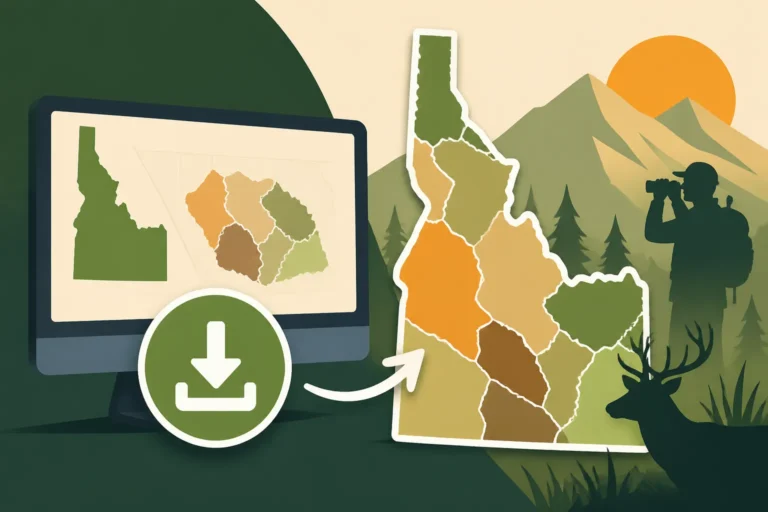
Idaho Has 31 Wildlife Management Areas
Finding quality public land to hunt in Idaho can feel like an overwhelming task, especially when you're trying to differentiate between vast national forests, sprawling BLM lands, and smaller, more intensely managed areas. Many hunters get frustrated with the sheer scale and often conflicting rules, wondering where to even begin their scouting. This guide is dedicated to shedding light on one incredibly valuable, yet sometimes misunderstood, public land asset: Idaho's Wildlife Management Areas (WMAs), offering a deep dive into what they are, where to find them, and how you can make the most of these crucial habitats for your next hunting adventure.
Understanding Idaho's Wildlife Management Areas (WMAs)
Idaho's Wildlife Management Areas are truly special places, conceived and maintained with a singular, crucial purpose: to benefit wildlife and provide public access for recreational activities like hunting, fishing, and wildlife viewing. They're often seen as key pieces of the puzzle for conservation, strategically located to protect vital habitats and ensure the future of Idaho's diverse animal populations.
What Exactly is a WMA?
At its core, a Wildlife Management Area (WMA) in Idaho is land purchased or managed by the Idaho Department of Fish and Game (IDFG) specifically for wildlife. Unlike a general parcel of public land that might serve multiple purposes – timber production, grazing, recreation, mineral extraction – a WMA's primary mandate revolves around wildlife. Think of them as dedicated wildlife havens, often encompassing crucial winter range, migratory corridors, wetland complexes, or other critical habitats that animals rely on throughout the year. These areas are actively managed, meaning IDFG biologists and staff are on the ground, implementing habitat improvement projects, monitoring populations, and shaping the landscape to maximize its benefit for game and non-game species alike. This active management often includes prescriptive burns, planting specific forage, controlling invasive species, and maintaining water sources, all designed to create an optimal environment for the animals that call these places home.
The Goal of Idaho's WMA System
The overarching goal of Idaho's WMA system is multifaceted, yet always centered on wildlife. First and foremost, WMAs serve as vital refuges and production areas for various species. For instance, many WMAs are critical winter ranges for deer and elk, providing essential forage and shelter during harsh months when resources are scarce. This is why you'll often find specific seasonal closures on WMAs to minimize disturbance to these vulnerable animals. Beyond providing habitat, WMAs are also established to offer public hunting and fishing opportunities. They aim to disperse hunters and provide accessible areas, especially for species like waterfowl or upland birds, which might otherwise be confined to private lands. These areas represent a direct investment in the future of hunting and fishing in Idaho, ensuring that these traditions can continue on publicly accessible, well-managed lands. Furthermore, WMAs play a significant role in scientific research, allowing IDFG to study wildlife populations, habitat dynamics, and the effectiveness of various management techniques, all of which inform broader conservation strategies across the state.
How WMAs Differ from Other Public Lands
While Idaho boasts immense tracts of other public lands, such as National Forests and Bureau of Land Management (BLM) ground, WMAs stand apart due to their specialized management focus. National Forests, managed by the U.S. Forest Service, often prioritize multiple uses, including timber harvest, grazing, mining, and recreation, alongside wildlife. Similarly, BLM lands, overseen by the Bureau of Land Management, manage for multiple uses, including energy development, livestock grazing, and recreation. While these lands certainly offer incredible hunting opportunities, their primary mission isn't exclusively wildlife. WMAs, on the other hand, are explicitly dedicated to wildlife conservation and public recreation related to wildlife. This means that management decisions on a WMA will always lean towards benefiting wildlife populations first, even if it means restricting other activities like motorized travel or camping during certain times of the year. This distinction is crucial for hunters, as it often means more concentrated wildlife populations, more intensive habitat management, and potentially more specific hunting regulations tailored to the area's unique ecological needs. Understanding Idaho's Motorized Hunting Rule Runs August Into December is particularly important when considering WMAs, as many have specific restrictions on vehicle use.
Locating Idaho's Diverse WMAs by Region
Idaho is a vast state with incredible ecological diversity, and its Wildlife Management Areas reflect this variety. From the dense forests of the Panhandle to the high desert plateaus of the south, WMAs are strategically placed to protect critical habitats across all regions. Knowing the general characteristics of WMAs in different parts of the state can significantly aid your scouting and hunt planning, helping you find the right area for your target species.
WMAs in Northern Idaho: Panhandle and Clearwater Regions
In Northern Idaho, stretching across the Panhandle and Clearwater regions, WMAs often focus on dense timber ecosystems, riparian corridors, and wetlands. These areas are typically characterized by rugged terrain, thick conifer forests, and abundant water sources. WMAs here are crucial for species like whitetail deer, black bear, moose, and various forest grouse. For instance, the Boundary Creek WMA near Bonners Ferry is a prime example, offering a mix of forest and wetland habitat that attracts waterfowl, moose, and deer. You might find yourself navigating dense undergrowth and logging roads while hunting these areas, with access often dictated by the season. Many WMAs in this region are important for migratory birds, so waterfowl hunting can be exceptional in certain spots. When considering big game, these WMAs can offer excellent opportunities for deer, especially whitetails, which thrive in the timbered environments of Northern Idaho. Black bears are also common, often found in spring accessing new green-ups or in fall feeding on berries.
Central Idaho's WMAs: Salmon, Challis, and McCall Areas
Moving into the heart of Idaho, the WMAs in the Salmon, Challis, and McCall areas tend to encompass expansive mountain ranges, sagebrush-steppe, and critical riparian zones along major rivers. These WMAs are often vital winter ranges for large herds of elk and mule deer, meaning seasonal restrictions are common and strictly enforced to protect these vulnerable animals. The Cecil D. Andrus WMA (formerly the Owyhee WMA, but since renamed and expanded) is a significant example in this central-west region, while the Payette River WMA near McCall provides habitat for deer, elk, and waterfowl along river bottomlands. In these areas, hunters can expect more open landscapes, with opportunities for glassing expansive hillsides, but also steep canyon country and dense timber pockets at higher elevations. Central Idaho WMAs are renowned for their big game potential, particularly elk and mule deer. These regions are also home to various upland birds like chukar and forest grouse in suitable habitats. Understanding Elk Herd Distribution by Zone can help hunters align their expectations with specific WMAs in these central zones.
Southern Idaho WMAs: Southwest, Magic Valley, and Southeast Regions
Southern Idaho's WMAs present a stark contrast to their northern counterparts, often characterized by high desert, sagebrush-steppe, agricultural interfaces, and wetland complexes along rivers and reservoirs. These WMAs are critical for a different suite of species, including mule deer, pronghorn, various upland birds like pheasant and quail, and significant waterfowl populations. The Market Lake WMA near Roberts, for example, is a renowned waterfowl mecca, offering blinds and extensive marshland. Similarly, the Camas Prairie Centennial Marsh WMA provides vital habitat for a multitude of bird species and can offer upland bird hunting. In these southern WMAs, you'll often find more open country, which can make for excellent spot-and-stalk hunting for mule deer or pronghorn where those tags are available. The interaction between WMAs and agricultural lands in these regions often creates unique opportunities, as wildlife frequently move between cultivated fields and protected WMA habitats. Remember that Mule Deer Winter Range Across the High Desert is a critical factor influencing access and seasonal closures in many of these southern areas, so checking specific regulations is paramount.
| WMA Region | Typical Habitat | Key Species | Hunting Opportunities |
|---|---|---|---|
| Northern Panhandle | Dense timber, wetlands, river bottoms | Whitetail deer, black bear, moose, waterfowl, forest grouse | Archery and rifle hunts for deer/bear, diverse bird hunting |
| Central Mountains | Steep timber, sagebrush-steppe, riparian areas | Elk, mule deer, black bear, chukar, forest grouse | Big game (often controlled hunts or general seasons), upland birds |
| Southern High Desert | Sagebrush-steppe, agricultural fringe, marshlands | Mule deer, pronghorn, pheasant, quail, waterfowl | Big game (often controlled hunts), excellent bird hunting |
Hunting Regulations and Opportunities on Idaho WMAs
Hunting on Idaho's Wildlife Management Areas offers a unique experience, blending excellent wildlife opportunities with specific regulations designed to protect and enhance these valuable resources. It's crucial for any hunter to understand these nuances, as WMA rules can sometimes differ from general public land regulations.
General Hunting Rules Specific to WMAs
While Idaho's general hunting regulations apply across the state, WMAs often have additional, site-specific rules that are critical to follow. These can include restrictions on motorized travel, which might be more stringent than on nearby National Forests or BLM lands. Many WMAs have designated parking areas and prohibit off-road vehicle use, even for game retrieval, to prevent habitat damage and minimize disturbance. Hunting Rules Specific to Idaho WMAs outlines many of these provisions. Camping is another area where WMAs frequently have unique guidelines; some may allow dispersed camping only in certain zones, others may have designated campgrounds, and some may prohibit camping entirely, especially during peak seasons or on sensitive winter range. Weapon restrictions can also vary; while rare, some WMAs might have specific rules regarding shot size for waterfowl or certain firearm restrictions to manage noise or safety in high-use areas. Always check the IDFG website or specific WMA signage before you go. This diligence ensures you're not only legal but also helping to maintain the quality of the WMA for everyone.
Target Species and Hunting Seasons on WMAs
The species you can hunt on an Idaho WMA largely depends on its location and habitat type, but WMAs are generally excellent for diverse hunting opportunities. For big game, many WMAs, particularly those in central and southern Idaho, are designated as critical winter range for elk and mule deer. This means that while they might not have a huntable big game season during the peak wintering months, they can offer exceptional hunting during early archery or late rifle seasons when animals are transitioning through or using other parts of the WMA. For example, a WMA might open to deer hunting in September but close completely from December to April. Idaho Archery Season Dates for Elk or Idaho Muzzleloader Season Dates for Deer would be important to consult here.
Waterfowl hunting is often a major draw for WMAs, especially those with extensive wetland habitats. Areas like Market Lake WMA or Fort Boise WMA are managed specifically to attract ducks and geese, offering blinds, access points, and sometimes even regulated hunting times. Upland bird hunting is also popular, with WMAs providing prime habitat for pheasant, quail, chukar, and various grouse species. Some WMAs are even stocked with pheasants annually to enhance hunting opportunities. Consulting Idaho Upland Bird Season Opening Dates and Waterfowl Hunting on Idaho Wildlife Management Areas will provide crucial dates and species-specific rules.
Draw Odds and Tag Requirements for WMA Hunts
Many hunting opportunities on WMAs fall under Idaho's general season tags, meaning if you have a valid general deer or elk tag for the unit an a WMA is located in, you can hunt it during the open season. However, some WMAs, or specific areas within them, might be part of controlled hunts, especially for highly desired species or for hunts designed to manage specific populations. This means you would need to apply and draw a special tag. For instance, a WMA might be part of an elk unit that has a general archery season, but a late-season rifle hunt on the same WMA might be a controlled hunt with limited tags.
It's critical to use tools like The Idaho Hunt Planner Is the Tool to Start With to research the specific unit and controlled hunt areas that encompass or border the WMA you're interested in. The Hunt Planner will show you drawing odds, harvest statistics, and detailed boundary maps for these controlled hunt units. Sometimes, WMAs are small enough that they are entirely contained within a single unit or controlled hunt area, while larger WMAs might span multiple units. Always double-check the current regulations for the specific WMA and hunt unit you plan to visit, as Idaho Fish and Game frequently updates seasons and rules to adapt to wildlife populations and habitat conditions. For non-residents, understanding The Idaho Nonresident Hunting License Price and associated tag costs is the first step before even considering drawing odds.
Beyond the Hunt: Other Activities and Conservation Efforts
While hunting is a primary focus for many Idaho Wildlife Management Areas, these crucial landscapes serve a much broader purpose. They are vibrant ecosystems where a multitude of recreational activities coexist with intensive conservation efforts, benefiting both wildlife and the public in myriad ways. Understanding these additional facets of WMAs can enrich your overall experience and appreciation for these valuable resources.
Recreation Beyond Hunting: Fishing, Wildlife Viewing, and Hiking
Idaho's WMAs aren't just for hunters; they are truly multi-use public lands where a variety of outdoor pursuits thrive. Many WMAs contain rivers, streams, ponds, or reservoirs that offer excellent fishing opportunities for species like trout, bass, or panfish. These waters are often managed to enhance fish populations, making them popular destinations for anglers seeking a peaceful day on the water. Beyond fishing, WMAs are prime locations for wildlife viewing. Because these areas are managed for wildlife, they often boast higher concentrations and diversity of species compared to less intensely managed lands. Birdwatchers, photographers, and nature enthusiasts can spend hours observing everything from migratory waterfowl to raptors, deer, and even larger mammals like moose or elk, especially during non-hunting seasons or at dawn and dusk. Many WMAs also feature well-maintained hiking trails, allowing visitors to explore diverse landscapes, enjoy scenic vistas, and connect with nature, often with the added bonus of spotting wildlife along the way. Camping Limits on Idaho WMAs might apply to these other recreational users as well, so it's always worth checking.
Habitat Improvement and Management on WMAs
The backbone of the WMA system is active, hands-on habitat management. Idaho Fish and Game invests significant resources into projects designed to improve the quality and quantity of habitat available to wildlife. This isn't just about setting aside land; it's about actively shaping it. You might see evidence of prescribed burns, which mimic natural wildfires to regenerate healthy forage, reduce fuel loads, and create diverse plant communities that benefit everything from deer to upland birds. Planting specific native grasses, shrubs, and trees is common, particularly in areas that have been degraded or where specific food sources are needed.
Water control structures are frequently installed in wetland WMAs to manage water levels, creating ideal conditions for nesting waterfowl, migrating shorebirds, and aquatic insects. Efforts to control invasive species, such as noxious weeds, are ongoing, as these plants can outcompete native vegetation and diminish habitat value. These habitat improvement projects are continuous, evolving with the needs of wildlife and the changing landscape, all with the goal of creating resilient, productive ecosystems that can support robust wildlife populations year after year.
The Role of WMAs in Wildlife Research
Beyond direct habitat improvement, WMAs play a critical role as living laboratories for wildlife research. Because these areas are under intensive management and often host significant wildlife populations, they provide ideal settings for IDFG biologists and partner organizations to conduct essential studies. Researchers might track animal movements using GPS collars to understand migration patterns, habitat use, and inter-species interactions. Population surveys are regularly conducted to monitor trends in deer, elk, waterfowl, and other species, providing crucial data that informs harvest quotas and management strategies across the state.
WMAs also serve as sites for studying the effectiveness of various habitat improvement techniques. For example, a controlled burn area might be monitored for several years to assess vegetation regrowth and wildlife response. This scientific research is invaluable, providing the data necessary for informed, adaptive management decisions that benefit wildlife across all of Idaho, not just within the WMA boundaries. The knowledge gained on WMAs has far-reaching implications for conservation efforts throughout the entire state.
Planning Your Trip to an Idaho WMA
A successful and enjoyable trip to an Idaho Wildlife Management Area, whether for hunting or other recreation, hinges on careful planning. From understanding the terrain to knowing what tools will help you navigate and find game, being prepared is key to making the most of these incredible public resources.
Using Online Resources for WMA Scouting
In this digital age, scouting for your WMA hunt can start long before you ever set foot in the field. The Idaho Fish and Game (IDFG) website is your first and most vital resource. Here, you'll find detailed maps of individual WMAs, specific regulations, contact information for local WMA managers, and often information on recent habitat projects or conditions. Take the time to download and review any WMA-specific PDFs or maps they provide.
Beyond the official IDFG site, mobile mapping applications like onX Hunt are indispensable tools for WMA scouting. With onX Hunt, you can overlay public and private land boundaries, pinpoint WMA boundaries with precision, view topographical maps, and mark potential hunting spots, access points, and escape routes. The app allows you to see satellite imagery, which can reveal subtle terrain features, water sources, and vegetation changes that might hold game. Another excellent resource for planning, particularly for draw odds and hunt unit statistics, is GoHunt. While GoHunt focuses more on controlled hunt data, understanding the broader unit in which a WMA resides can inform your strategy, especially if you're looking at big game opportunities that might require a controlled tag. These digital tools allow you to virtually explore an area, identify potential pinch points, food sources, and bedding areas, saving you valuable time in the field.
Essential Gear for WMA Hunting
The gear you bring to an Idaho WMA will largely depend on the specific WMA, the time of year, and your target species. However, some items are universally essential. A reliable map and compass, in addition to your digital mapping app, are crucial backups, especially in areas with spotty cell service. Good quality binoculars are indispensable for glassing open areas or spotting movement in timber. Depending on the terrain, sturdy hiking boots are a must, and if you plan on covering significant ground, a comfortable backpack capable of carrying extra layers, water, food, and game processing supplies is vital.
For big game hunters, having the right rifle or bow and appropriate ammunition or arrows is obvious, but don't forget game bags and a sharp knife for field dressing. Waterfowl hunters will need waders, decoys, and a comfortable blind setup. Upland bird hunters should consider a good bird dog (where legal and appropriate) and plenty of shells. Always carry a first-aid kit, emergency shelter, and sufficient water, as even seemingly accessible WMAs can quickly become remote when you're a mile or two off the main road. Remember, prepare for the unexpected; Idaho weather can change rapidly.
Respecting the Resource and Other Users
Hunting on a WMA comes with a shared responsibility to respect the land, its wildlife, and your fellow outdoor enthusiasts. Practicing "Leave No Trace" principles is paramount: pack out everything you pack in, and leave the area cleaner than you found it. Be mindful of noise levels, especially early in the morning or late in the evening when animals are most active and other users might be seeking quiet. If you encounter hikers, birdwatchers, or other non-hunters, offer a friendly greeting and maintain a safe distance.
Understand that WMAs are often popular and can experience significant hunter pressure, especially during opening weekends. Being courteous, patient, and flexible in your plans can make a big difference. Park your vehicle responsibly, ensuring you don't block access roads or gates. If you're hunting with a dog, ensure it's under control and doesn't harass wildlife or other users. By acting as a responsible steward of these valuable resources, you contribute to a positive public image for hunters and help ensure that WMAs remain open and accessible for generations to come.
Challenges and Considerations When Hunting WMAs
While Idaho's Wildlife Management Areas offer fantastic opportunities, they also present unique challenges that hunters should be aware of. Navigating these considerations proactively can mean the difference between a frustrating trip and a successful, enjoyable hunt. Understanding potential obstacles, from crowded popular spots to specific administrative rules, is a vital part of planning your WMA adventure.
Managing Hunter Pressure and Crowding
One of the most significant challenges on many WMAs, particularly those renowned for specific species like waterfowl or pheasant, is hunter pressure. Because WMAs are actively managed for wildlife and generally provide easier access than deep wilderness areas, they can become quite popular, especially on opening weekends or during peak seasons. You might find yourself sharing space with more hunters than you're used to, which can impact animal behavior and your ability to hunt undisturbed.
To mitigate crowding, consider hunting mid-week if your schedule allows, or targeting lesser-known WMAs. Arriving early is always a good strategy, not just for staking out a spot but also for getting a feel for the area before others arrive. Don't be afraid to walk a little further than most – even a half-mile off the main access points can put you in significantly less pressured territory. Researching different WMAs and units through resources like GoHunt or IDFG's harvest statistics can also help you identify areas that might receive less pressure while still offering good opportunities. Flexibility is key; if your initial spot is too crowded, have a backup plan or be willing to adapt your strategy.
Navigating Access Restrictions and Seasonal Closures
Another common challenge on WMAs involves understanding and adhering to their specific access restrictions and seasonal closures. Many WMAs contain critical winter range for big game, meaning large portions of the WMA will be completely closed to all public entry during specific months (often December through April) to protect stressed animals. Ignoring these closures can result in significant fines and harassment of vulnerable wildlife. Beyond winter range closures, WMAs frequently have more stringent motorized vehicle rules than other public lands. While Idaho's Motorized Hunting Rule Runs August Into December applies generally, WMAs might have even tighter restrictions, often limiting vehicles to paved or gravel roads, and sometimes prohibiting even ATVs or UTVs where they might be allowed on adjacent national forest land.
Always check the individual WMA's rules on the IDFG website or signage at access points. These rules are in place for good reason – to protect habitat, minimize disturbance, and ensure the long-term health of wildlife populations. Using mapping tools like onX Hunt can help you visualize these closure boundaries and restricted access areas, allowing you to plan your approach accordingly and avoid inadvertently trespassing or violating regulations.
Understanding Specific Unit and Zone Overlaps
WMAs exist within the broader framework of Idaho's Game Management Units (GMUs) and Elk Zones, and sometimes even controlled hunt areas. This layered management system can be a bit confusing. A single WMA might span portions of two different GMUs, each with its own specific seasons, bag limits, or weapon restrictions. Or, an entire WMA might be located within a particular Elk Zone (like the Panhandle Zone or the Lolo Zone) but also be part of a distinct controlled hunt unit for a specific species.
For example, a WMA might be in Unit 10, which is part of the Lolo Elk Zone. If you have a general A Tag for the Lolo Zone, you might be able to hunt the WMA during the general archery season. However, there might also be a controlled hunt for antlerless elk specifically within part of that WMA, requiring a separate, drawn tag. It’s crucial to cross-reference the WMA boundaries with the GMU and Elk Zone maps available through the IDFG hunt planner or apps like onX Hunt. Understanding How Idaho Elk Zones Sit on Top of the Units is a good foundational step. This detailed understanding ensures you have the correct tag for the specific area and season you plan to hunt, preventing any unwelcome surprises in the field.
Disclaimer
This article is for general informational purposes only and does not constitute professional advice. Laws, prices and regulations vary by location and change over time. Consult a qualified professional for guidance on your specific situation.