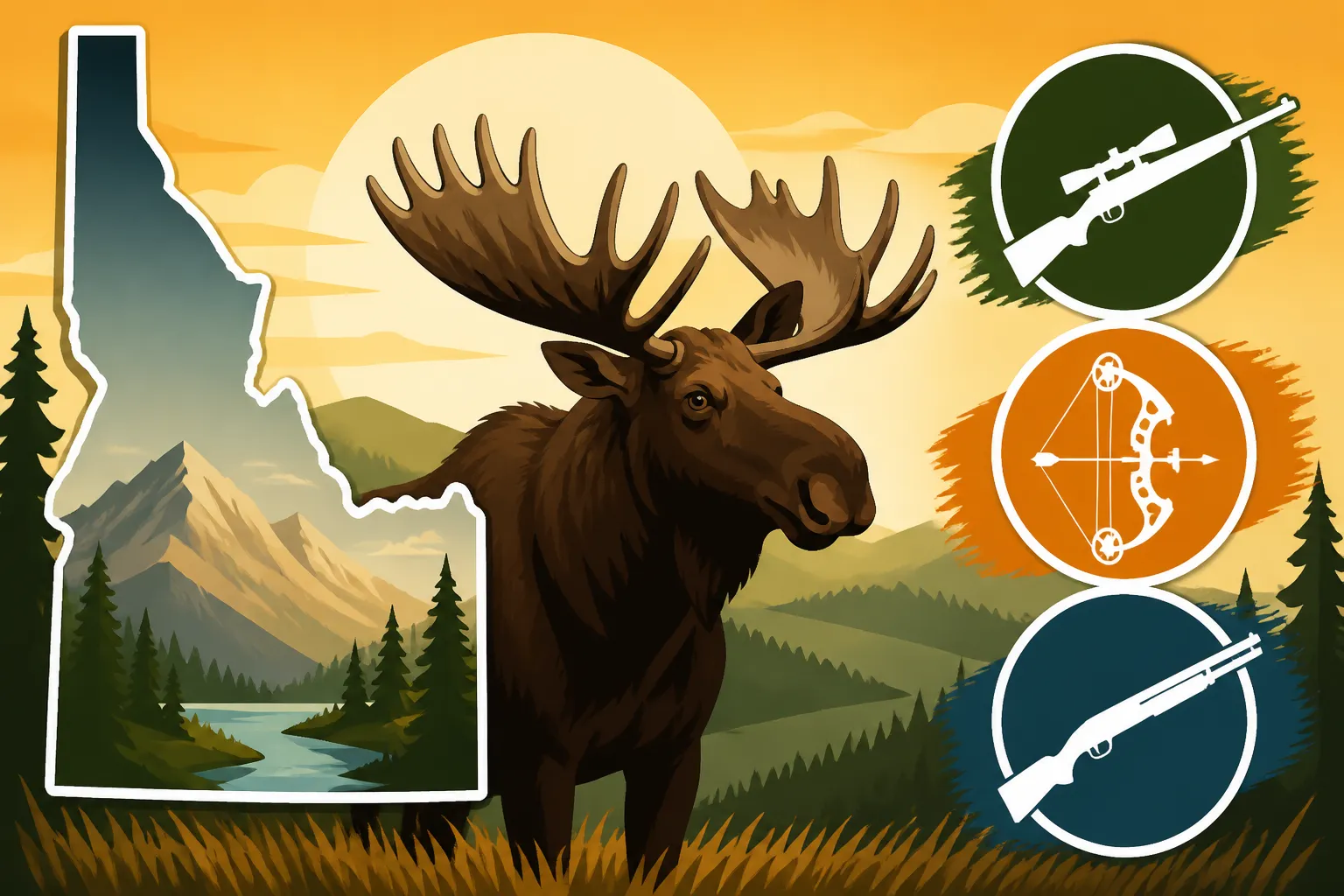
Idaho Moose Season Dates by Weapon
For many dedicated hunters, the thought of drawing an Idaho moose tag is a dream, a once-in-a-lifetime opportunity that conjures images of majestic animals in pristine wilderness. However, the reality of pursuing moose in Idaho comes with a significant layer of complexity, not least of which involves understanding the specific season dates, which often vary dramatically depending on your chosen weapon type and the particular Game Management Unit (GMU) you've drawn. It's not as simple as showing up in October with your rifle; failing to grasp these nuances can lead to heartbreak, wasted effort, or even legal trouble. This comprehensive guide aims to demystify Idaho's moose season dates, breaking down what you need to know for archery, muzzleloader, and any-weapon hunts, helping you meticulously plan for one of the West's most coveted big game experiences.
Understanding Idaho's Exclusive Moose Hunt Structure
Idaho’s moose hunting is a highly controlled and sought-after experience, a stark contrast to the general deer or elk tags available over-the-counter in some units. The state manages its moose population carefully, recognizing their majestic status and the relatively slower reproductive rates compared to other big game. This means that if you're hoping to chase one of these magnificent animals, you're looking at a controlled hunt, which significantly limits the number of tags issued each year.
The primary frustration for many aspiring moose hunters is the sheer scarcity of tags. We're talking about incredibly limited opportunities, which translates into extremely challenging draw odds and, for many, a very long wait. Most moose tags are for bulls, often subject to specific antler restrictions like a "spike-only" rule or "any bull" designation within certain units. This makes the hunt even more specific and demanding once you finally draw. The Idaho Fish and Game department structures these hunts to provide quality experiences while maintaining healthy moose populations, which is why drawing a tag is such a monumental achievement.
It's also important to understand that Idaho typically operates under a "once-in-a-lifetime" rule for bull moose tags. This means if you are fortunate enough to draw and harvest a bull moose, you generally won't be able to draw another bull moose tag in the state again. There are rare exceptions, such as specific cow moose tags or depredation hunts, but for the vast majority, that bull tag is a singular event. This intensifies the pressure to make that hunt count and underscores the importance of knowing every detail, including the exact dates for your weapon of choice. This strict regulation is a key reason why many applicants face the reality of Moose Controlled Hunt Wait Times that can stretch for many years, sometimes even decades.
Specific Moose Season Dates by Weapon Type
Idaho's moose seasons are unit-specific and weapon-specific, meaning you absolutely must check the current year's regulations for the exact unit you’ve drawn. While general windows exist, these can shift slightly from year to year or vary wildly between adjacent units based on local population dynamics and management goals. The Idaho Fish and Game website is your ultimate authority, but we can break down the typical frameworks you'll encounter.
Archery-Only Moose Seasons
Archery moose seasons in Idaho usually kick off earlier than any other weapon type, often beginning in late August or early September and running through mid-October. This timing puts bowhunters in the field during the tail end of summer and the very beginning of the moose rut, offering unique challenges and opportunities. Early season can mean warmer weather, lush vegetation, and potentially more challenging conditions for spotting and stalking in dense cover.
For many bowhunters, this early window is highly appealing because it coincides with the initial stages of the rut, when bulls might be more vocal and responsive to calling. However, it also demands peak physical conditioning and meticulous scent control, as moose have an incredible sense of smell. The extended season length, typically several weeks, allows for multiple scouting trips and plenty of time to learn the habits of the moose in your drawn unit. It's a true test of dedication and skill to harvest a moose with a bow, especially in the rugged terrain moose often inhabit.
Muzzleloader-Only Moose Seasons
Muzzleloader seasons typically slot in after the archery opener but before the general any-weapon rifle seasons. You'll often find these seasons running from mid-September through mid-October, sometimes overlapping slightly with the latter half of the archery season. This can be a fantastic time to hunt, as the rut is often in full swing, and the weather might be cooling down, making for more comfortable hiking and reducing issues with meat spoilage.
However, muzzleloader hunting brings its own set of unique rules and challenges in Idaho. For example, during muzzleloader-only hunts, you're generally restricted to traditional open or peep sights, with scopes often prohibited. This means you need to be proficient with your chosen firearm and capable of ethical shots at closer ranges. The primitive nature of muzzleloading adds an extra layer of difficulty and tradition to the hunt, which many enthusiasts truly appreciate. Checking these specific regulations is critical, as they differ from any-weapon seasons.
Any-Weapon Moose Seasons
The most common and often longest moose season is the "any-weapon" season, which typically opens in late September and can extend well into November. These seasons often coincide with the peak of the moose rut and the onset of colder weather, including early snowfalls in higher elevations. This can be both a blessing and a curse; snow makes tracking easier but also makes travel and living in the backcountry more demanding.
During any-weapon seasons, hunters have the flexibility to use rifles, shotguns, handguns, or even archery equipment. This broadens the appeal for many hunters who prefer the longer range and stopping power of a modern rifle for an animal as large and formidable as a moose. However, this flexibility also means you might face more hunting pressure, especially in more accessible units. Regardless of your weapon choice, understanding the specific opening and closing dates for your drawn unit is paramount. A valuable resource for prospective hunters looking at different hunt types and their associated costs is an article on What a Guided Moose Hunt Costs in Idaho, which can provide insight into planning aspects beyond just season dates.
Navigating the Application Process and Draw Odds
Securing an Idaho moose tag is a journey in itself, often requiring patience spanning many years. Idaho does not operate on a preference point system for its controlled hunts, meaning every applicant, regardless of past applications, theoretically has an equal chance each year. While this can be frustrating for those who've applied for decades, it offers a glimmer of hope to first-time applicants.
The application period for moose, sheep, and goat controlled hunts in Idaho typically opens in April. This is your critical window to apply. Missing this deadline means you'll have to wait an entire year for the next opportunity, further delaying your dream hunt. The Idaho Department of Fish and Game usually posts the specific opening and closing dates on their website well in advance. For a detailed breakdown of this crucial timeline, you might find the information on When Moose and Sheep Applications Open in Idaho to be particularly helpful.
Once the application period closes, the waiting game begins. Idaho generally runs its controlled hunt draw for trophy species like moose in May, with results usually posted online in late May or early June. You'll typically receive an email notification, or you can check your application status directly through the Idaho Fish and Game licensing system. If you're one of the fortunate few to draw a tag, there's usually a deadline in August to purchase your drawn tag. Failing to purchase it by this date will result in forfeiture, and the tag will go back into a leftover pool, potentially for a second drawing or over-the-counter sale. Knowing When Idaho Releases Moose and Sheep Results is key to managing your expectations and making post-draw plans.
Draw odds for moose are notoriously low, varying significantly by unit and tag type (bull vs. cow). For example, a prime bull tag in a well-known unit might have odds in the single-digit percentages, if not fractions of a percent. This is where tools and resources become invaluable. Many hunters rely on platforms like GoHunt's Insider platform, which provides historical draw odds, harvest statistics, and unit analyses, helping you make informed decisions about which units offer the best (or least terrible) chances. While Idaho doesn't have a preference point system, understanding these odds can still guide your application strategy, even if it's just to confirm that you're in for a long shot. Looking at resources that delve into Idaho Moose Controlled Hunt Draw Odds Explained can provide a stark but realistic picture of what to expect.
| Weapon Type | Typical Season Start | Typical Season End | Notes |
|---|---|---|---|
| Archery-Only | Late August / Early September | Mid-October | Often overlaps with early rut. Demands close-range proficiency. |
| Muzzleloader-Only | Mid-September | Mid-October | Peak rut potential. Often requires open/peep sights only. |
| Any-Weapon | Late September / Early October | Late November | Longest season window. Allows rifles. May have more pressure. |
Note: These are general season date ranges. Specific dates are unit-dependent and must be confirmed annually with Idaho Fish and Game regulations for your drawn controlled hunt tag.
Key Considerations for Your Moose Hunt Plan
Drawing an Idaho moose tag is just the first step; the real work begins in planning your actual hunt. Because moose tags are so rare, the preparation involved often far exceeds that for a general deer or elk tag.
Thorough Pre-Season Scouting and E-Scouting
Moose, especially bulls, are creatures of habit but can be elusive. Unlike elk that might cover vast distances, moose often prefer specific wetland areas, riparian zones, and dense timber where they can browse on willows and aquatic vegetation. Relying solely on historical data or general knowledge won't cut it. You need to identify specific drainages, willow bottoms, and timber pockets in your unit. E-Scouting an Idaho Unit Before the Season becomes crucial here, using satellite imagery and topographic maps to pinpoint potential habitat, access points, and glassing knobs.
Once you’ve narrowed down areas via e-scouting, in-person scouting is paramount. If possible, visit your unit in the spring or summer to look for old rubs, tracks, and droppings. Identify water sources and feeding areas. Understanding how these animals use the terrain and where they might retreat to under pressure is vital. This deep dive into your unit helps you strategize your approach, potential calling setups, and escape routes for a downed animal.
Physical Fitness and Backcountry Readiness
Moose are large animals, often weighing over a thousand pounds, and they frequently inhabit steep, rugged, or swampy terrain. The physical demands of hunting them, especially if you're planning a backcountry DIY hunt, are immense. You need to be in excellent physical condition to navigate challenging terrain, carry heavy loads of meat, and potentially spend days away from a trailhead.
Beyond the physical, backcountry readiness involves having the right gear, knowing how to use it, and being prepared for rapidly changing mountain weather. This includes a robust pack, reliable navigation tools, first-aid supplies, and emergency communication devices. Idaho's moose country can often overlap with grizzly bear habitat, particularly in the northern and central parts of the state. Knowing Grizzly Identification for Idaho Bear Hunters and carrying bear spray are not optional; they are essential safety precautions.
Logistics, Outfitters, and Contingency Planning
Considering the rarity of a moose tag, many hunters opt for a guided or semi-guided hunt to maximize their chances of success and ensure they have expert assistance with field dressing and packing out. If you consider this option, thorough vetting of outfitters is crucial, as is understanding all the associated costs, which can be substantial. For nonresidents, hunting in designated wilderness areas for species like moose often requires hiring a licensed Idaho outfitter, so be sure to clarify any such rules for your chosen unit.
Even if you go the DIY route, you need a solid logistical plan. This includes transportation to and from the unit, a reliable camp setup, and a detailed strategy for getting a massive amount of meat out of the backcountry. Think about how you’ll quarter the animal, keep the meat cool, and transport it to a processor. Have contingency plans for mechanical failures, adverse weather, or an unexpected injury. A little foresight goes a long way in ensuring your hard-earned moose tag translates into a successful, memorable, and safe hunt. Furthermore, it's critical to review general hunting regulations, such as those covered in Anyone Born After 1974 Needs Idaho Hunter Education, to ensure all legal requirements are met before you even set foot in the field.
Disclaimer
Please note that hunting regulations, season dates, and tag allocations can change. Always consult the official Idaho Department of Fish and Game regulations for the current year before planning any hunt or applying for tags. This article provides general information and should not be considered a substitute for official sources.