Any-Bull Any-Weapon Seasons Under an Idaho B Tag
For many hunters, the maze of tag applications, season dates, and weapon restrictions in Idaho can feel like a daunting challenge, especially when you're dreaming of chasing a big bull. It's easy to get lost in the regulations and worry about making the wrong choice. This comprehensive guide is designed to cut through that confusion, focusing specifically on what an "any-bull, any-weapon" season under an Idaho B Tag truly means for your hunt and how to confidently pursue it.
Deciphering the Idaho Elk Tag System and the B Tag Advantage
Idaho’s elk tag system, with its A and B tags, can be a bit of a head-scratcher, particularly for those new to hunting the Gem State or coming from areas with simpler regulations. Understanding the nuances is critical to planning a successful and legal hunt. The B Tag, in particular, holds a unique appeal for many hunters.
The A Tag vs. B Tag: What's the Difference
At its heart, the distinction between an A Tag and a B Tag revolves around the type of weapon and the specific timeframes during which you can hunt. Generally, A Tags tend to align with earlier archery and muzzleloader seasons, often requiring a dedicated focus on those specific weapon types during their respective windows. These early seasons are incredibly popular for hunters who love the challenge of getting close with traditional methods, but they also come with their own set of rules, such as those governing Spike-Only Bull Rules Inside Idaho A Tag Seasons in some units.
On the flip side, the B Tag is often associated with later rifle seasons and offers a broader "any-weapon" allowance, making it a favorite for many. When you're trying to figure out which direction to go, considering factors like your preferred weapon, physical conditioning, and the time of year you want to hunt will definitely help you to Pick Between an Idaho A Tag and a B Tag. It’s not just about what dates are open, but also about the style of hunting those dates accommodate.
The Allure of the "Any-Weapon" Season
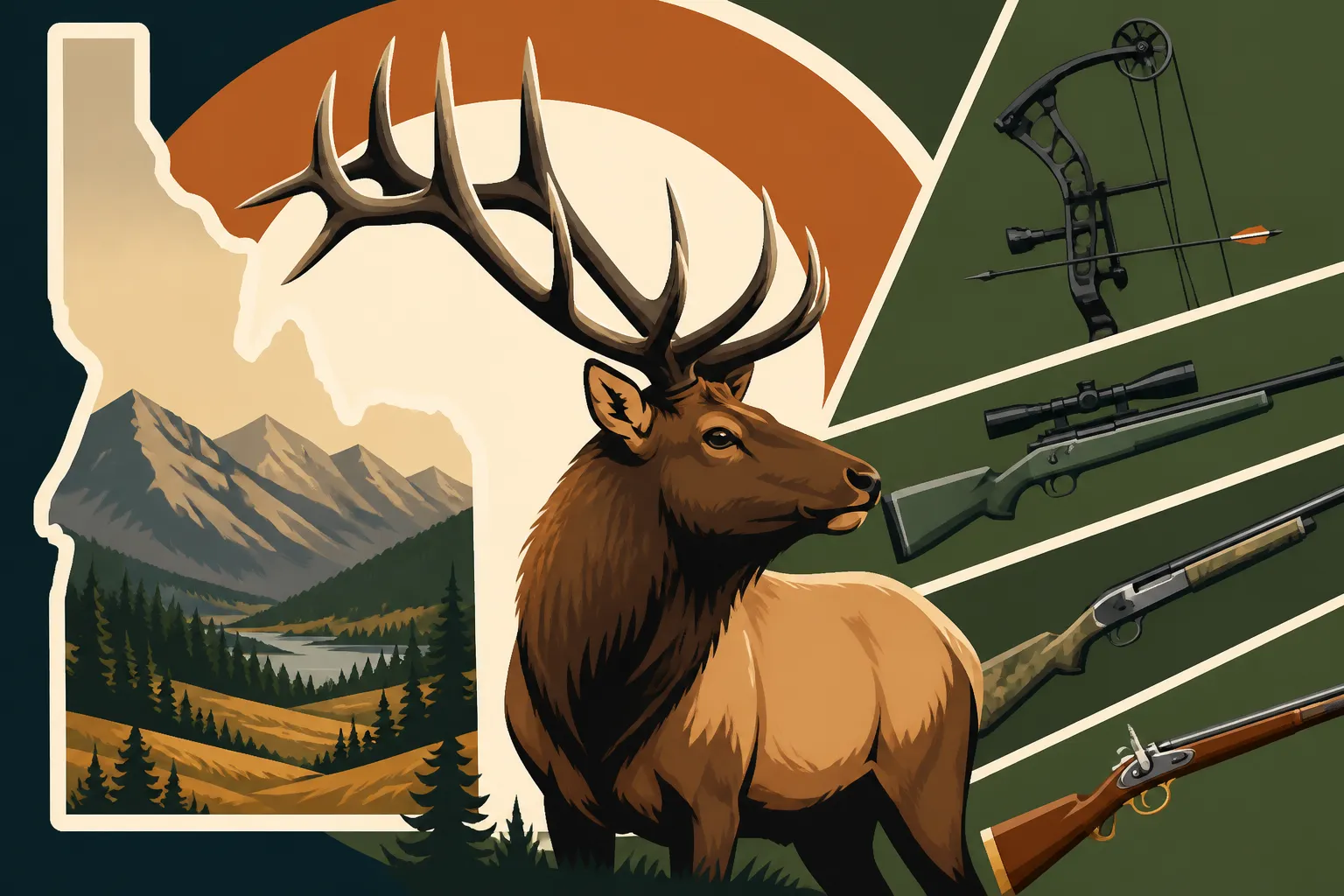
The phrase "any-weapon" is music to many hunters' ears, implying a freedom that isn't always available in other tag categories. For Idaho B Tags, this generally means you can utilize a centerfire rifle, muzzleloader (often without the typical Muzzleloader-Only hunt restrictions like no scopes or inline ignition), or archery equipment during the designated general seasons. This flexibility is a huge draw. Imagine having the option to grab your trusty rifle when the weather turns cold and the elk are pushed into thicker cover, or to switch to your bow if a late-season archery opportunity arises. This freedom allows hunters to adapt to changing conditions, unexpected opportunities, or simply their personal preference for the day. It removes the stress of being restricted to a single weapon type, especially when weather or animal behavior might favor a different approach.
Embracing "Any-Bull" Opportunity with Your B Tag
Beyond the flexibility in weapon choice, the "any-bull" aspect of many B Tag seasons is a primary driver for hunters seeking to maximize their odds of harvesting a mature elk. This distinction is crucial for those dreaming of more than just a spike.
What "Any-Bull" Really Means for Your Hunt
When you secure an Idaho B Tag for an "any-bull" season, it means exactly what it sounds like: you are permitted to harvest any bull elk, regardless of its antler configuration or size. This is a significant departure from "spike-only" or "antler-point restricted" seasons, which often define hunting opportunities under A Tags or in specific controlled hunts. For instance, in many areas during early archery or muzzleloader seasons, hunters are limited to harvesting spike bulls only. The "any-bull" designation with a B Tag removes these specific antler restrictions, opening up the opportunity to harvest a two-point, a raghorn five-by-five, or even a true trophy bull if you're lucky enough to find one. This can greatly increase a hunter's confidence and moral when spotting a bull, knowing that almost any legal bull is fair game.
This flexibility significantly impacts your strategy. Instead of having to meticulously count points or verify a spike, you can focus on ethical shot placement and successful recovery. It's about being ready for any bull that presents itself, rather than passing on potential opportunities because they don't meet specific antler criteria. This is a major reason why many hunters gravitate towards B Tags, as it increases the practical chance of filling a tag with a bull elk.
Navigating Season Dates and Elk Zones
Idaho's elk hunting landscape is divided into numerous elk zones, and within these zones, specific seasons and tag types (A or B) dictate when and where you can hunt. Generally, B Tags are allocated for general elk seasons that often occur later in the fall, typically running from mid-October through November. These later seasons often coincide with colder weather, potential snow, and the post-rut period, which can dramatically change elk behavior and location. Understanding these patterns is critical for success.
It's vital to meticulously consult the Idaho Fish and Game regulations for your chosen unit and zone, as season dates can vary significantly. For example, a B Tag might be valid for a general rifle season in the Panhandle Zone from October 15th to October 24th, but in the Lolo Zone, it could extend into mid-November. The specific Idaho Elk Zones and the A Tag or B Tag Choice you make will directly influence your hunting calendar. Resources like the Idaho Hunt Planner can be incredibly useful here, allowing you to filter seasons by tag type and weapon. Additionally, mapping tools available through services like GoHunt offer detailed overlays of elk zones and unit boundaries, helping you visualize where your B Tag is valid and when.
Here’s a simplified comparison of general season characteristics under A and B tags:
| Feature | General A Tag Season (Typical) | General B Tag Season (Typical) |
|---|---|---|
| Weapon | Primarily Archery and Muzzleloader | Any-Weapon (Rifle, Muzzleloader, Archery) |
| Season Timing | Earlier, often late August through September | Later, often mid-October through November |
| Bull Harvest | Often spike-only or antler-point restricted | Any-bull (no antler restrictions) |
| Hunting Style | Early season, pre-rut/rut, close-range focus | Later season, post-rut, colder weather, potential snow |
| Common Zones | Many zones offer both A and B tag options | Many zones offer both A and B tag options |
This table provides a general overview, but always remember to confirm the specific regulations for your chosen unit and year, as Idaho Fish and Game can adjust these details annually.
Strategies and Preparation for a B Tag Hunt
Successfully pursuing elk with an "any-bull, any-weapon" B Tag requires a blend of careful planning, appropriate gear, and physical readiness. The flexibility of the B Tag is a significant advantage, but it still demands intelligent application of hunting skills.
Weapon Choices and Considerations
The "any-weapon" aspect of a B Tag season means you have a wide array of choices, but that doesn't mean all choices are equally effective or ethical for every situation you might encounter in Idaho's diverse terrain. For many, a reliable centerfire rifle is the go-to during these later seasons. When Choosing a Rifle for Idaho's Timber and Breaks, consider calibers like .30-06 Springfield, .300 Winchester Magnum, or 7mm Rem Mag, which offer sufficient power and range for elk. In dense timber, a quick-handling rifle with moderate recoil might be preferred, while in open breaks or across deep canyons, a flatter-shooting cartridge becomes invaluable.
Optics are also paramount. A good quality scope with variable magnification (e.g., 3-9x or 4-12x) will serve you well in varied terrain and light conditions. Beyond rifles, if you choose to hunt with a muzzleloader, remember that unlike specific muzzleloader-only hunts, B Tag seasons often permit modern inline muzzleloaders and optical sights, vastly improving range and accuracy. Archery equipment remains a viable choice for those who prefer it, but remember the effective range for archery shots on elk is considerably shorter than with a rifle. Regardless of your chosen weapon, extensive practice at various distances and from different shooting positions is non-negotiable. Knowing your effective range and sticking to it is crucial for a clean harvest.
Scouting and Unit Selection
Even with an "any-bull, any-weapon" tag, success hinges on thorough scouting and intelligent unit selection. This is where tools become your best friend. Start by leveraging the Idaho Hunt Planner, which is an invaluable resource for looking up units, season dates, and even some harvest statistics. You'll want to focus on units known for good elk populations and a history of successful harvests during B Tag rifle seasons. Pay attention to public land percentages – while private land hunting is an option, many hunters rely on access to Idaho's vast National Forests and BLM Ground.
E-scouting is the modern hunter's secret weapon. Services like GoHunt provide detailed mapping layers, including public/private land boundaries, roads, trails, and terrain features. You can identify potential bedding areas, feeding grounds, water sources, and escape routes long before you ever set foot in the woods. Look for areas with diverse terrain, including dark timber for bedding, south-facing slopes for winter feeding, and saddles or draws that elk might use to travel. Understanding the Road and Trail Layers for Scouting Idaho Access is also key, as Idaho's Motorized Hunting Rule Keeps You on the Road in many areas, limiting how far you can drive off established routes. Combining e-scouting with boots-on-the-ground reconnaissance, if possible, will give you the most comprehensive picture.
Physical Demands and Logistics
Late-season elk hunting in Idaho, especially during B Tag seasons, is physically demanding. You'll often encounter colder temperatures, snow, and rugged, steep terrain. This isn't a casual stroll in the woods; it's a marathon. Building your physical endurance through regular exercise, including hiking with a weighted pack, is essential. Being able to climb steep hills, navigate dense timber, and potentially pack an elk out of tough country requires significant stamina. Don't underestimate the challenge of Packing an Elk Out of Steep Country Alone or with a partner.
Beyond physical fitness, consider your gear. Layered clothing suitable for fluctuating temperatures, waterproof outer shells, quality insulated boots, and reliable navigation tools (GPS, compass, map, and a satellite messenger) are non-negotiables. Plan your camp setup—whether you’re backpacking into a spike camp or hunting from a vehicle-accessible base camp—with an eye towards comfort, warmth, and efficiency. Remember that later seasons mean shorter daylight hours, so headlamps and planning for colder nights are crucial. Having a solid plan for field dressing, meat care, and extraction is just as important as the shot itself.
Maximizing Your Chances with an Idaho B Tag
While the B Tag offers incredible flexibility and opportunity, understanding the broader context of Idaho hunting and leveraging available resources can significantly boost your success rate.
Understanding Idaho's Draw Odds
It’s important to remember that while B Tags are often associated with general season hunts, the initial nonresident license and tag allocation still involves a draw. Unlike some other Western states, Idaho Has No Preference Points, and What That Changes means every applicant has the same chance each year, regardless of how many times they've applied before. For nonresidents, Idaho Sets Aside 1,846 Deer and 2,975 Elk Tags for Nonresidents, which are highly sought after. While B Tags are generally more accessible than highly coveted controlled hunt tags, demand can still exceed supply, especially for popular zones.
Checking the Idaho Fish and Game website for previous year's draw odds and application numbers can give you a realistic idea of your chances. Keep an eye on the Idaho Controlled Hunt Calendar, April Through August, even if you're pursuing a general season B tag, as the application periods for licenses and tags often overlap or precede these dates. Staying informed about application periods and deadlines is crucial. GoHunt also provides valuable insights into draw odds and harvest statistics, which can inform your application strategy and help you choose units with historically better success rates for B Tag holders.
Post-Harvest Requirements and Responsibilities
Success in the field is only part of the equation; understanding your responsibilities after harvesting an animal is equally important. Once an elk is down, you must immediately tag it in the field according to Idaho Fish and Game regulations. This typically involves attaching your tag to the carcass in a visible and secure manner. You’ll also need to be aware of Field Dressing and Carcass Transport Rules Explained, which ensure proper handling and prevent the spread of diseases. For instance, specific rules might apply to the transport of heads and spinal columns if you're hunting in a Chronic Wasting Disease testing area.
Additionally, Mandatory Reporting After an Idaho Harvest is a legal requirement. This usually involves reporting your harvest online or via phone within a specified timeframe. These regulations are in place to help Idaho Fish and Game manage herd populations and collect vital data. Being prepared for these steps—having a knife, game bags, and a plan for packing out the meat—is just as critical as making the shot. Also, ensure you adhere to The Meat Salvage Requirements for Big Game, which mandate that all edible meat be removed from the carcass.
Leveraging Technology for Success
In today's hunting world, technology can be a game-changer. Beyond e-scouting, digital tools offer real-time information that can significantly impact your hunt. Weather apps with detailed forecasts, wind direction tools, and even apps that track moon phases can help you plan your daily movements and hunting strategy. Satellite communication devices are also highly recommended for backcountry hunts, providing a lifeline in areas without cell service.
Don't underestimate the power of Reading an Idaho Harvest Statistics Report. These reports, often found on the Idaho Fish and Game website, provide invaluable data on success rates, hunter numbers, and elk populations by unit and season. Analyzing this data can help you identify units where B Tags have a good success rate, or areas that might be less pressured. Combining these statistics with mapping tools from platforms like GoHunt that show public land percentages and access points, allows you to develop a well-informed hunting plan, increasing your odds of a successful "any-bull, any-weapon" B Tag hunt in Idaho.
Disclaimer
Please note that hunting regulations, season dates, and tag availability in Idaho can change annually. It is the hunter's responsibility to consult the most current official Idaho Fish and Game regulations before planning and embarking on any hunt. This guide provides general information and recommendations but is not a substitute for the official regulations.