The April Deadline for Idaho Trophy Species
For anyone dreaming of an Idaho trophy hunt, missing a crucial deadline can turn those dreams into a year-long wait. The application window for Idaho's most coveted big game species is notoriously brief and unforgiving, centered squarely around the month of April. This guide will walk you through everything you need to know to successfully navigate the process, ensuring your application for a once-in-a-lifetime tag is submitted correctly and on time.
Understanding Idaho's Trophy Species Application Window
Idaho is a land of incredible hunting opportunities, but some species stand out as truly exceptional, earning them the "trophy" designation due to their rarity, limited tags, and the sheer challenge of pursuing them. Securing a tag for these animals requires meticulous planning and an unwavering adherence to application deadlines.
Which Species Fall Under the "Trophy" Banner
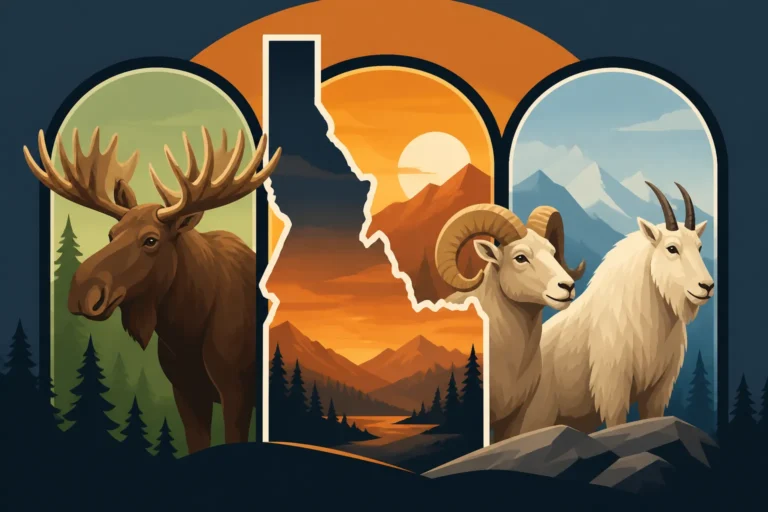
When we talk about "trophy species" in Idaho, we're primarily referring to Moose, Bighorn Sheep (both Rocky Mountain and California subspecies), and Mountain Goat. These aren't your typical general season deer or elk hunts; they represent pinnacles of hunting achievement, often requiring years of dedicated application efforts. Moose tags are extremely limited, reflecting the smaller, though healthy, population of Shiras moose across the state. Bighorn sheep, found in rugged, remote landscapes, are divided into two distinct subspecies, each managed separately with its own draw. Mountain goats, inhabiting the highest, most unforgiving alpine environments, also offer very few tags. The scarcity of these tags is precisely what elevates them to trophy status, making every application a hopeful venture into the lottery of chance.
These hunts are not just about the size of the animal, but the entire experience of pursuing an elusive creature in some of Idaho's most spectacular and demanding terrain. Drawing one of these tags is often considered a once-in-a-lifetime event, requiring significant physical and mental preparation. It’s a commitment, not just a casual hunting trip.
The Importance of the April Deadline
For these premier species, the April deadline isn't just a suggestion; it's the only window to get your application in for the year. Unlike some general season tags that might be available over-the-counter or through multiple drawing periods, moose, bighorn sheep, and mountain goat tags are strictly controlled hunt permits with a singular application period that typically closes in mid-April. If you miss this deadline, your opportunity for that calendar year is gone. There are no second draws, no leftover tags that open up to non-residents, and no waiting list to fall back on.
This firm deadline underscores the importance of marking your calendar, setting reminders, and starting your application process well in advance. Life gets busy, and it's easy to let a date slip by, especially for something you might only do once a year. But for these highly sought-after tags, that oversight can cost you a full year of potential draw equity and the chance to hunt an animal that many spend decades dreaming about.
Navigating the Application Process for Premier Tags
Applying for an Idaho trophy tag might seem daunting, especially if you’re new to the state’s system. However, with a clear understanding of the requirements and a step-by-step approach, you can ensure your application is submitted correctly and on time.
Prerequisites and Licensing Before You Apply
Before you can even think about applying for a controlled hunt tag for moose, sheep, or goat, there are a couple of crucial prerequisites you need to fulfill. First and foremost, you must possess a valid Idaho hunting license for the current year. This is often a point of confusion and frustration for new applicants, as Idaho requires you to purchase this general hunting license before you can apply for any controlled hunts. This means you’ll be paying for a license that you might not even use if you don't draw the specific tag you're after. It's a non-refundable expense that serves as your entry ticket into the draw.
In addition to a general hunting license, make sure you meet Idaho's hunter education requirements. Anyone born after January 1, 1975, needs to have successfully completed a hunter education course. You’ll need to prove this certification before purchasing your license, so have your certificate or previous state's card ready. You can find more details about who is covered by the cutoff and how to get certified in resources like "Anyone Born After 1974 Needs Idaho Hunter Education". Failing to meet these basic requirements will prevent you from applying, regardless of how much you want that trophy tag.
Step-by-Step Application through GoOutdoorsIdaho
The primary portal for all Idaho hunting and fishing license and tag applications is the Idaho Fish and Game’s online system, GoOutdoorsIdaho. This user-friendly platform is where you'll submit your applications for trophy species. Here's a general walkthrough:
- Create an Account or Log In: If you haven't already, you'll need to create a profile. Returning users can simply log in. Ensure all your personal information is accurate and up-to-date, as this will be linked to your hunting license and any tags you draw.
- Purchase Your Hunting License: As mentioned, this is the first step. Navigate to the "Licenses & Tags" section and purchase the appropriate annual hunting license. Remember, this is non-refundable. For non-residents, this fee can be substantial, making it a significant upfront investment.
- Access Controlled Hunt Applications: Once your license is secured, head to the controlled hunt application section. You’ll find options for various species, including moose, bighorn sheep, and mountain goat. You can explore the full calendar and application windows in guides like "The Idaho Controlled Hunt Calendar, April Through August".
- Select Your Species and Hunt Area: This is where your research comes into play. For each species, you’ll choose a specific hunt area (GMU) and weapon type if applicable. This selection is crucial, as some areas have significantly better draw odds or offer unique opportunities. Tools like GoHunt can provide invaluable insights into past draw odds and unit specifics, helping you make an informed decision.
- Submit Your Application: Review all your selections carefully before submitting. You'll pay an application fee per species, which is separate from your hunting license cost. Once submitted, you'll usually receive a confirmation email. It’s always a good idea to print or save a copy of your application for your records.
Don't wait until the last minute on the April deadline. Technical glitches or slow internet connections can cause immense stress. Aim to complete your application several days, if not a week, before the cutoff.
Strategic Considerations for Drawing a Trophy Tag
Drawing a trophy tag in Idaho is a game of patience and strategy. Understanding how Idaho’s draw system works and what factors influence your chances can help you make the most informed decisions.
Understanding Idaho's No Preference Point System
One of the most unique aspects of Idaho's controlled hunt draw, particularly for coveted species like moose, sheep, and goat, is the complete absence of a preference point or bonus point system. This is a stark contrast to many other Western states where accumulated points significantly increase your odds over time. In Idaho, every applicant, regardless of whether it's their first time applying or their twentieth, theoretically has the same chance of drawing a tag in any given year. This truly levels the playing field, making every draw feel like a fresh start.
While this means you don't build up a numerical advantage over time, it also means that a first-time applicant can realistically draw a coveted tag right out of the gate, which is incredibly exciting for new hunters. However, it also means that even long-time applicants are not guaranteed a tag, and the element of pure luck plays a very significant role. Understanding that "Idaho Has No Preference Points, and What That Changes" is fundamental to setting realistic expectations and staying persistent with your applications year after year. This system emphasizes consistency and hope over strategic point accumulation.
Researching Draw Odds and Hunt Areas
Given the lack of a point system, thorough research into draw odds and specific hunt areas becomes even more critical. While every applicant has equal odds, the overall odds for a particular unit or species can vary wildly based on the number of tags available and the number of applicants. Idaho Fish and Game publishes past harvest statistics and drawing odds, which are invaluable resources. These reports will show you how many tags were issued for each unit and how many applications were received, giving you a percentage chance.
Resources like GoHunt provide excellent tools for analyzing these statistics, often presenting them in an easy-to-understand format. They consolidate data on draw odds, success rates, and even the trophy quality typically found in specific units. For instance, if you're looking at "Idaho Moose Controlled Hunt Draw Odds", you'll see that some units might have hundreds of applicants for just a handful of tags, while others, perhaps in more remote or physically demanding areas, might have slightly better odds due to fewer applicants. Don't just pick the unit with the biggest animals; consider the draw odds and the reality of your chances. Balancing your dream hunt with a statistically reasonable chance is key.
The Once-in-a-Lifetime Rule for Bighorns and Goats
Idaho has a very important "once-in-a-lifetime" rule for bighorn sheep and mountain goats. This means that if you are fortunate enough to draw and harvest a bighorn sheep or mountain goat, you are generally prohibited from applying for that specific species again in Idaho. However, there’s a nuance that is often misunderstood, particularly with bighorns. Idaho recognizes two distinct subspecies of bighorn sheep: Rocky Mountain Bighorn and California Bighorn. The "once-in-a-lifetime" rule applies per subspecies.
This distinction means that if you draw and harvest a Rocky Mountain Bighorn, you could, theoretically, still apply for a California Bighorn tag in a future year, provided you haven't harvested one of those yet. This subtle but significant detail is crucial for long-term hunters who might dream of harvesting both. Mountain goat, being a single species, is a strict once-in-a-lifetime opportunity. Understanding "Why Idaho's Once-in-a-Lifetime Rule Is Per Subspecies" is vital for strategic planning and managing your expectations for these truly rare tags. Always double-check the current regulations, as rules can occasionally change.
What Happens After the April Deadline
Once you’ve hit that submit button and the April deadline has passed, the waiting game begins. This period, often filled with anticipation, also has its own set of deadlines and requirements you need to be aware of.
When Idaho Releases Moose and Sheep Results
After the application period closes in April, the Idaho Fish and Game department processes all the entries and conducts the controlled hunt draw. For trophy species like moose, bighorn sheep, and mountain goat, results are typically released sometime in mid-May. This can be a tense time for hopeful hunters, as an email notification or a check of the GoOutdoorsIdaho portal will reveal whether years of applying have finally paid off.
It's important to keep an eye on your email (and spam folder!) around this time. The exact date can sometimes fluctuate slightly, so regularly checking the Idaho Fish and Game website or your GoOutdoorsIdaho account is a good practice. Knowing "When Idaho Releases Trophy Species Results" allows you to mentally prepare for either the excitement of drawing a tag or the disappointment of another year without. Regardless of the outcome, understanding the timing helps you plan for the next steps.
Claiming Your Drawn Tag and What Comes Next
Congratulations, you drew a tag! The excitement is palpable, but the process isn't quite finished. There's a critical step that must be completed: purchasing, or "claiming," your drawn tag. After the draw results are posted, there will be a specific deadline by which you must log back into your GoOutdoorsIdaho account and complete the purchase of your tag. This deadline is typically in August, but it's essential to confirm the exact date provided by Fish and Game for your specific draw.
Crucially, if you miss this deadline, your drawn tag will be forfeited. It will then typically go into a pool of unpurchased tags that might be offered in a subsequent sale, but you will have lost your opportunity to claim it from the original draw. So, drawing the tag is only half the battle; ensuring you purchase it on time is equally important. Guides like "What Happens If You Miss the Claim Deadline" will stress the importance of this final step. Once purchased, you can start the real planning for your hunt, utilizing tools like the "A Walkthrough of the Idaho Hunt Planner" to scout units, identify access points, and research the terrain you'll be exploring.
Remember, a drawn tag is a commitment. It signifies that you're ready to embark on a challenging and rewarding adventure in Idaho's backcountry.
Trophy Species Application and Result Timeline
Here's a quick overview of the key dates for Idaho's trophy species applications. Always verify exact dates with the Idaho Fish and Game official regulations.
| Event | Typical Window | Notes |
|---|---|---|
| Hunting License Purchase | Anytime before April deadline | Required to apply for controlled hunts; non-refundable. |
| Application Period Opens | Early April | Window to apply for Moose, Bighorn Sheep, Mountain Goat. |
| Application Deadline | Mid-April (e.g., April 15-25th) | Crucial final cutoff. Miss it, miss the year. |
| Draw Results Released | Mid-May (e.g., May 15-25th) | Check GoOutdoorsIdaho and email. |
| Tag Claim Deadline | Early August (e.g., August 1st) | Must purchase your drawn tag by this date or forfeit it. |
| Hunt Season Opens | Late August/Early September | Varies by unit and species; consult regulations. |
Disclaimer
Please remember that hunting regulations, season dates, and application periods can change. This guide is intended for informational purposes only. Always consult the official Idaho Fish and Game regulations and website for the most current and accurate information before planning any hunting trip or submitting applications.