The Closing Date for Idaho’s Second Drawing
Missing a hunting deadline feels like a punch to the gut, especially when you've been dreaming of an Idaho adventure all year. For many hopeful hunters, navigating Idaho's complex tag allocation system can be a real headache, with multiple application periods and distinct rules. This guide is here to shed light on one critical, often overlooked window: the closing date for Idaho's second drawing, ensuring you don't miss out on another chance at those coveted tags.
Understanding Idaho's Unique Draw System
Idaho's approach to tag allocation can feel a bit different from other Western states. While many states use a preference point or bonus point system to reward loyalty, Idaho keeps things a bit more straightforward, which has its pros and cons. It means that every applicant, whether it's their first time applying or their tenth, essentially has the same odds in any given draw.
No Preference Points, Just Opportunity
Unlike states where accumulating points over years gives you a significant advantage, Idaho operates without a preference point system. This can be a double-edged sword. On one hand, it means a brand-new hunter has just as much of a chance to draw a highly sought-after tag as someone who's been applying for decades. This levels the playing field, making every application cycle feel fresh and full of possibility. On the other hand, it means there's no "bank" of points to rely on, which can lead to frustration for hunters who feel like they're starting from scratch every year. This system is a core reason why you won't find yourself asking "Does Idaho Award Preference Points?" and instead focusing purely on the odds for the current year.
This "no points" system really underlines the importance of applying strategically and being aware of all available drawing opportunities. Many hunters use tools like GoHunt to analyze draw odds for various units and species, helping them make informed decisions even without the benefit of accumulated points. It forces a focus on current data and realistic expectations rather than banking on a long-term strategy. For more on how this impacts your chances, check out our piece on Why First-Time Applicants Have Even Odds in Idaho.
The Initial Nonresident Drawing
Before we dive into the second drawing, it's important to understand the primary application period. Idaho's initial nonresident deer and elk tags are typically allocated through a draw that opens in December and closes in late February or early March. This is the main event for many out-of-state hunters hoping to secure a general season tag for species like deer and elk. For example, as of 2026, Idaho Moved Nonresident Deer and Elk Tags Into a Draw for 2026, a significant change.
After this initial drawing, successful applicants are notified, and they have a deadline to purchase their tags. However, not all tags are claimed. Sometimes, hunters draw more tags than they intended, or their plans change, leading to unclaimed tags. These unclaimed tags, along with any tags that were never applied for in less popular controlled hunts, become the pool for Idaho's second controlled hunt drawing. It's a second bite at the apple, so to speak, and a crucial opportunity to pick up a tag you might have missed or originally thought was out of reach.
The Purpose and Timing of the Second Drawing
Idaho's second drawing is a lifeline for many hunters, offering another chance to secure a coveted tag after the initial application periods have concluded. It’s a testament to Idaho Fish and Game’s commitment to maximizing hunting opportunities and ensuring tags don't go to waste. But just like any draw, understanding its timing and purpose is key to participating successfully.
Why a Second Drawing Exists
The primary reason Idaho conducts a second drawing is straightforward: to reallocate tags that were not claimed or filled during the initial controlled hunt application period and subsequent first drawing. Imagine a scenario where a hunter applies for several controlled hunts, draws a tag, but then, for whatever reason, fails to purchase it by the deadline. Or perhaps a particular hunt had fewer applicants than available tags in the first round. These unsold or unclaimed tags don't just disappear; they're rolled into the second drawing.
This system is particularly beneficial for those who might have missed the initial application deadline, or for hunters who were unsuccessful in the first drawing and are looking for another opportunity. It also provides a chance for hunters to pivot their plans if their initial choices didn't pan out. It’s a critical mechanism to ensure that the maximum number of tags are distributed, thus supporting the state's wildlife management goals and providing as much opportunity to hunters as possible. The existence of this second drawing is a clear indication of How Idaho's Second Controlled Hunt Drawing Works to fill those remaining quotas.
Key Dates for the Second Drawing Application Window
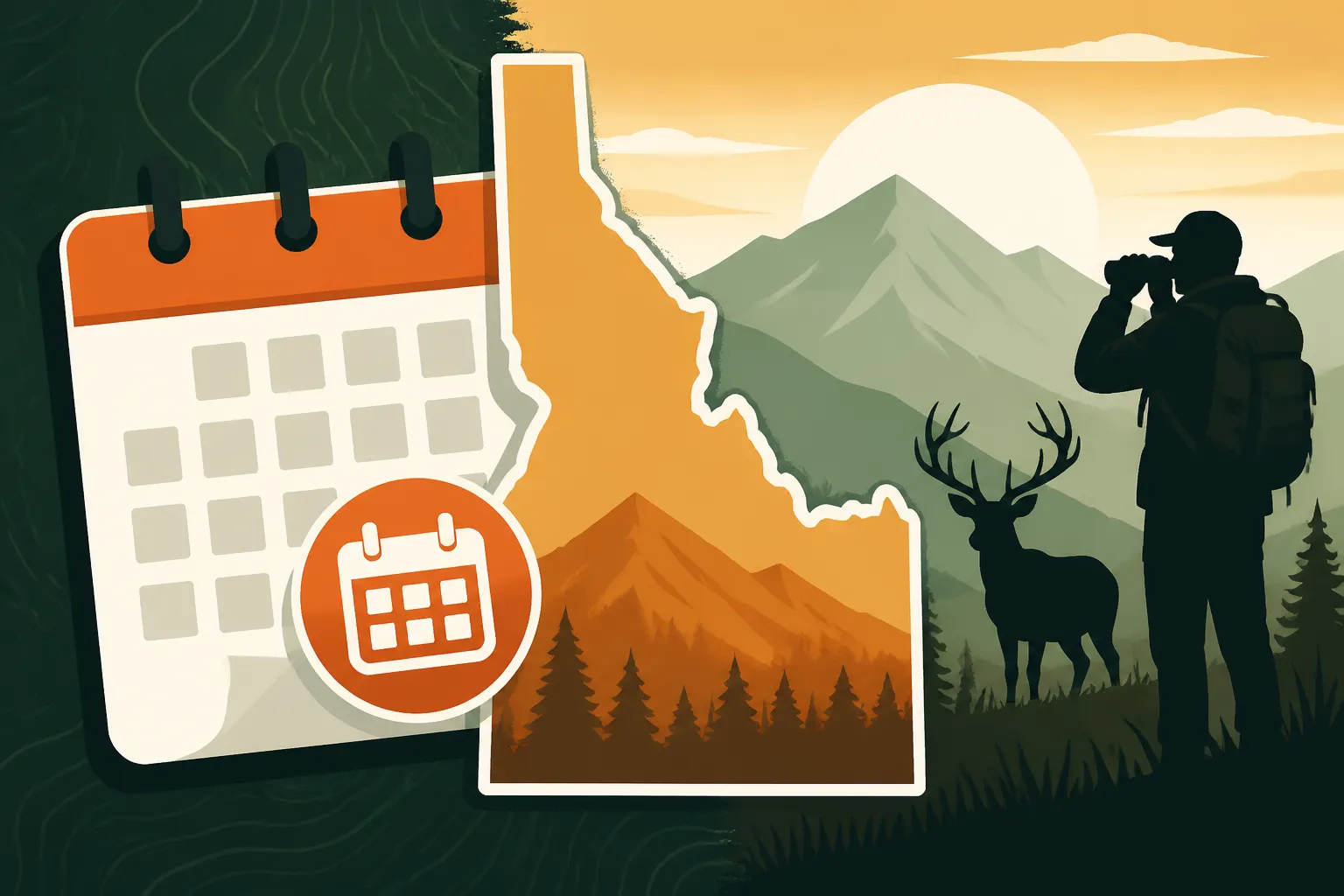
The application window for Idaho's second drawing is a much shorter, concentrated period compared to the initial draw. Generally, this period opens in early August and has a strict closing date around mid-August. For instance, in recent years, the application period for the second controlled hunt drawing has typically run from around August 5th to August 15th. This means you have a tight window, often just ten days or so, to submit your application.
It's absolutely essential to mark these dates on your calendar as soon as the Idaho Fish and Game Department (IDFG) releases its annual hunt planner and regulations. Missing this short window means missing your only second chance. The IDFG website is your go-to for the most current information, as these dates can shift slightly from year to year. Relying on outdated information could cost you an opportunity. Many seasoned hunters will set multiple reminders and utilize resources like GoHunt's deadline trackers to stay on top of these critical dates. The specific closing date, often August 15th, is a firm deadline, and applications received even a minute late will not be considered.
What Happens After the Application Closes
Once the application period for the second drawing closes, the IDFG processing begins almost immediately. This is not a draw where you wait months for results. The department aims to turn around results quickly, typically within a week of the closing date. For example, if the application period closes on August 15th, you can often expect results to be posted online by August 22nd.
Upon notification, successful applicants will then have another, even shorter, window to purchase their drawn tags. This deadline is usually just a few days after results are posted, often by the end of August. It's vital to be vigilant and check your application status promptly, as failure to purchase your tag by this final deadline will result in its forfeiture. These tags then often move into the "returned tag" sales, which are first-come, first-served. Understanding the full Idaho Controlled Hunt Calendar, April Through August can give you a holistic view of all these intertwined deadlines.
Navigating the Second Drawing for Success
Participating in Idaho's second drawing requires a slightly different mindset and strategy than the initial draw. Since you're dealing with leftover tags, the choices might be more limited, but the opportunity is still very real. Success hinges on being prepared, flexible, and quick to act.
Identifying Available Tags
One of the biggest challenges, and opportunities, of the second drawing is knowing what tags are actually available. The tags offered in the second drawing are those that went unclaimed or undersubscribed in the initial drawing. This means you won't necessarily find all the prime, highly sought-after limited entry hunts still available. However, you might find tags for general hunts in certain units, antlerless opportunities, or even specific controlled hunts that had lower demand.
The Idaho Fish and Game Department usually publishes a list of available tags for the second drawing shortly before the application period opens. This list is your roadmap. It's critical to review it thoroughly, paying close attention to the unit, species, weapon type (e.g., archery, muzzleloader, or general any-weapon), and hunt dates. You might find a gem in a unit you hadn't considered before, or an antlerless tag that offers a great meat hunt opportunity. Tools like GoHunt's insider reports or the IDFG hunt planner are invaluable for identifying these opportunities and quickly assessing the unit's public land access and historical harvest success. For those interested in specifics, researching Idaho Elk Zones and the A Tag or B Tag Choice can help narrow down options if elk tags appear in the second drawing.
Strategies for a Successful Application
Given the shorter window and the nature of available tags, a successful application in the second drawing often comes down to strategy and readiness.
- Be Flexible: Your dream unit might not be available. Be open to applying for different units, species, or even weapon types than your initial plan. An antlerless elk tag in a less-pressured unit could still provide an incredible experience and fill your freezer.
- Research Quickly: Once the list of available tags is released, dive into research. Use the IDFG hunt planner to check public land percentages, harvest statistics, and access points for any units that catch your eye. While you won't have months to scout, a quick e-scouting session can reveal valuable information. Consider what Hunting Idaho's National Forests and BLM Ground might offer in terms of opportunity.
- Prioritize Your Choices: Idaho's application system usually allows you to list multiple choices. Rank them carefully, putting your most desired available tags first. Don't waste a choice on a tag you're not genuinely interested in, even if it's the only thing left.
- Confirm Your Information: Double-check all your application details before submission. Ensure your license is current, your hunter education is on file (if required, as Anyone Born After 1974 Needs Idaho Hunter Education), and all personal information is accurate. Errors can lead to disqualification, and with such a short window, there's little room for correction.
- Apply Early: While the draw is random, applying early in the window ensures your application is processed correctly and avoids any last-minute technical glitches on the closing date. Don't wait until the final hour.
By adopting these strategies, you maximize your chances in the competitive, yet rewarding, second drawing.
Important Considerations After the Second Drawing
Drawing a tag in Idaho's second drawing is a fantastic achievement, but the journey doesn't end there. There are still critical steps and considerations to keep in mind to ensure your hard-won opportunity doesn't slip through your fingers.
What Happens to Unclaimed Tags
Even after the second drawing, there might still be a few tags left on the table. These are typically tags that were successfully drawn in the second round but, for various reasons, were not purchased by the designated deadline. Idaho Fish and Game doesn't let these opportunities simply vanish. Instead, they make them available through what are often called "returned tag sales."
These returned tags are usually sold on a first-come, first-served basis, often online or at license vendors. This can be a frantic dash, as highly desirable tags, even if only one or two are left, can sell out in minutes. The IDFG will typically announce the date and time these tags go on sale. It's a true "early bird gets the worm" situation, and being logged into the GoOutdoorsIdaho system right at the opening bell is paramount if you're hoping to snag one of these last-minute opportunities. While it’s less of a "drawing" and more of a sprint, knowing that Returned Tag Sales Are Idaho's Back Door provides yet another avenue for hopeful hunters.
Financial Commitments and Refunds
When you apply for a controlled hunt in Idaho, whether it's the first or second drawing, you typically pay the application fee upfront. If you are successful in the draw, the tag fee is then automatically charged to the payment method you provided. This is why ensuring your payment information is current and has sufficient funds is crucial.
It's also important to understand Idaho's refund policy. Generally, license and application fees are non-refundable. For example, Why the $185 Idaho License Is Non-Refundable explains that this foundational fee supports wildlife management whether you draw a tag or not. If you draw a controlled hunt tag but then decide not to purchase it by the deadline, you generally forfeit the application fee, and the tag goes back into the pool (either for returned sales or potentially for future drawings). There are very specific circumstances under which a refund or exchange might be considered, often related to military service or extreme personal hardship, but these are rare exceptions. Always read the fine print on the IDFG website regarding their refund and exchange policies before applying.
Making sure your finances are in order and you're committed to the hunt before you apply is the best way to avoid any disappointment or lost funds.
Summary of Idaho's Key Drawing Dates
Navigating the Idaho draw system can feel like a maze with all its various deadlines. Here’s a quick overview of the typical timing for the major application periods, including the crucial second drawing:
| Event | Typical Opening Date | Typical Closing Date | Results Posted (Approx.) | Purchase Deadline (Approx.) |
|---|---|---|---|---|
| Initial Nonresident Deer/Elk | Early December | Late February / Early March | Mid-March | Early April |
| Trophy Species (Moose, Sheep, Goat) | April 1st | April 30th | Mid-May | Early June |
| First Controlled Hunt Drawing | Mid-April | June 5th | Late June | Mid-July |
| Second Controlled Hunt Drawing | August 5th | August 15th | August 22nd | Late August |
| Leftover Tags/Returned Tags | Late August / Early September | Until sold | N/A | Immediate purchase |
Please note: These dates are approximations based on recent years. Always verify the exact dates with the official Idaho Fish and Game regulations or website for the current hunting season.
Disclaimer
The information provided in this guide is for general informational purposes only and is subject to change. Hunting regulations, season dates, and application procedures are determined by the Idaho Department of Fish and Game and can be updated annually. Always consult the official Idaho Fish and Game website and current year's hunting regulations for the most accurate and up-to-date information before planning or participating in any hunting activities.