How to Read an Outfitter’s References
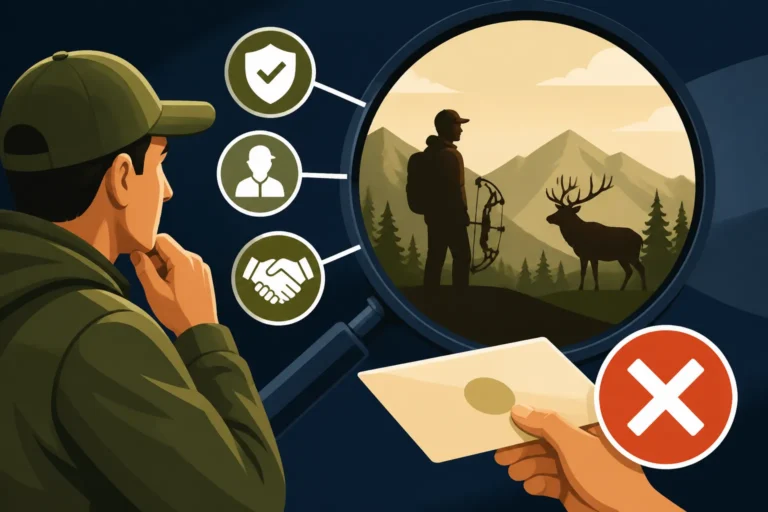
Booking a hunting trip, especially a big one like an Idaho elk or mule deer adventure, comes with a unique kind of excitement mixed with a healthy dose of anxiety. You're pouring your hard-earned money and precious vacation time into this dream, and the last thing you want is for it to fall flat because you picked the wrong outfitter. This guide is all about cutting through the glossy marketing and helping you truly understand how to vet an outfitter's references so you can book with confidence, not just hope.
Why References Are Your Hunting Trip's Lifeline
It's easy to get swept up in the beautiful photos and compelling stories on an outfitter's website. They all promise big game and unforgettable experiences, and honestly, many deliver. But for every fantastic story, there's a cautionary tale of a hunt gone wrong, not because the hunter wasn't skilled, but because the outfitter didn't live up to expectations. This is where references become your ultimate tool for due diligence.
The Pitfalls of "Blind" Booking
Imagine booking a flight without checking any reviews, or buying a house sight unseen. You wouldn't do it, right? Yet, many hunters book expensive, once-in-a-lifetime trips based solely on an outfitter's self-promotion. The financial risk alone is substantial; guided hunts in Idaho can run into the thousands, even tens of thousands, of dollars. Losing that money due to a poorly run operation is heartbreaking.
Beyond the money, consider the emotional investment. You've probably spent months, if not years, planning, training, and dreaming about this hunt. A subpar experience, whether it's poor camp conditions, unmotivated guides, or inaccurate information about the hunting area, can be deeply disappointing. It's not just about getting a trophy; it's about the entire experience, the camaraderie, the challenge, and the memories. If those aspects are compromised, the whole trip suffers.
A bad outfitter can manifest in many ways. Maybe the camp wasn't as advertised, with cramped tents or questionable hygiene. Perhaps the guides lacked experience, didn't know the territory, or simply weren't motivated to put in the hard miles. Or maybe the "high success rate" they touted was based on a few outlier years, not their current reality. These are the frustrations that proper reference checking aims to prevent, ensuring your hard-earned investment leads to a fulfilling adventure, not a regrettable ordeal.
Beyond the Testimonial Page
Every outfitter worth their salt has a "testimonials" page on their website, brimming with glowing reviews and smiling hunters holding massive animals. These are great for a quick positive impression, but let's be realistic: they're curated. No outfitter is going to post a review saying, "My guide got lost three times, and the food was awful." These testimonials represent the absolute best of their service, not necessarily the average or the challenges.
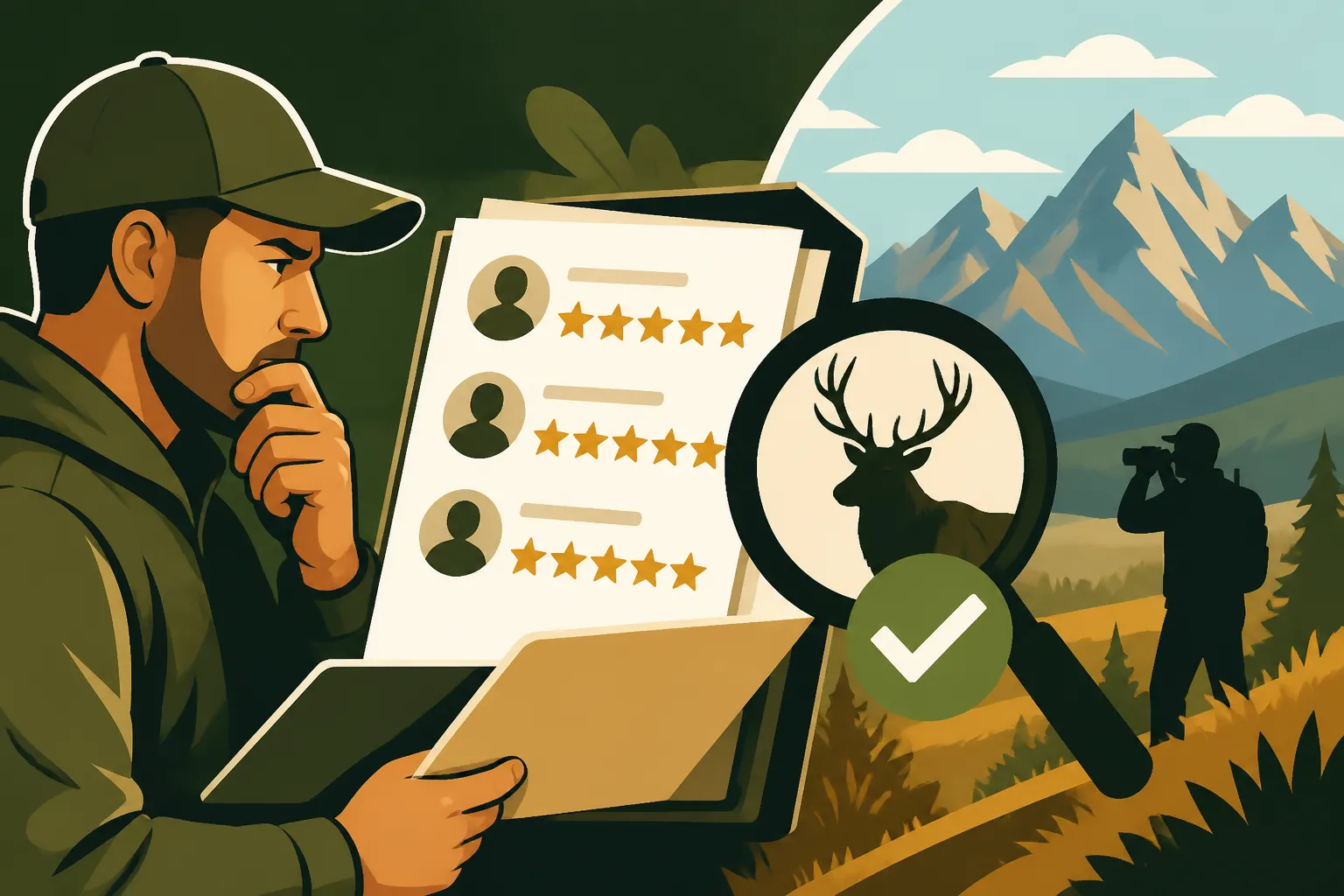
To truly understand what you're getting into, you need to go beyond these hand-picked snippets. You need unfiltered, honest feedback from real hunters who have recently experienced a trip with that outfitter. This means actively requesting a list of references and taking the time to connect with them directly. It's about getting past the highlight reel and into the behind-the-scenes reality of what a hunt with that particular operation is truly like.
Think of it as investigative journalism for your hunt. You're not just reading the headline; you're digging into the full story, seeking out multiple perspectives to form a comprehensive picture. An outfitter who is confident in their service will be more than happy to provide you with a solid list of recent clients. If an outfitter hesitates or only offers one or two older references, that's a significant red flag right from the start.
Getting and Contacting the Right References
Once you've narrowed down a few potential outfitters, the real work of vetting begins. Don't be shy about asking for references; it's a standard and necessary part of the booking process. A reputable outfitter expects it.
Asking for a Diverse Reference List
When you ask an outfitter for references, don't just ask for "some clients." Be specific about what you need. Request a list of at least 5-10 clients who have hunted with them within the last 1-3 years. This timeframe is crucial because staff, hunting areas, and overall operation quality can change quickly. An outfitter who was great five years ago might be struggling now.
Even more importantly, ask for a mix of successful and unsuccessful hunters. This might sound counterintuitive – why talk to someone who didn't get an animal? Because an unsuccessful hunter can often provide the most insightful feedback. Did they still have a great experience despite not harvesting? Did the guides work hard? Were the opportunities there, even if luck wasn't on their side? This tells you a lot about the outfitter's integrity, effort, and commitment to the overall hunt experience, not just the kill shot.
If possible, also ask if you can speak with one of their guides. Guides are on the front lines and can offer a perspective on the outfitter's management, equipment, and how they support their team. Many experienced hunters also use platforms like BookYourHunt or GoHunt to research potential outfitters, often finding reviews or forum discussions that can supplement the direct references an outfitter provides. These platforms, while not a substitute for direct communication, can offer additional viewpoints and sometimes even connect you with past clients.
Crafting Your Questions for References
Once you have your list of contacts, prepare a set of targeted questions. Don't just make small talk; you're looking for specific details and candid opinions. Here’s a breakdown of areas to cover and some examples of open-ended questions that encourage detailed responses:
- Pre-Hunt Communication and Preparation:
- "How was the communication leading up to your hunt? Did the outfitter respond promptly and thoroughly to your questions?"
- "Were the gear lists and physical conditioning recommendations accurate and helpful?"
- "What did you feel was adequately explained, and what surprised you upon arrival?"
- The Hunt Itself:
- "Describe a typical day in camp and in the field. What were the morning routines like?"
- "How knowledgeable and motivated was your guide? Did they work hard to put you on animals?"
- "What was the terrain like, and how physically demanding was the hunt?"
- "Did you feel the outfitter accurately represented the quantity and quality of game in the area?"
- "Tell me about any challenging situations that arose during the hunt (e.g., bad weather, lost game, equipment issues), and how the outfitter and guides handled them."
- Questions Worth Asking Before You Book covers many of these in more detail.
- Camp and Logistics:
- "How were the accommodations? Was the camp clean, comfortable, and as advertised?"
- "What was the food like? Was there enough, and was it prepared well?"
- "How were the logistics handled for getting to and from the hunting area, and for packing out meat/trophies?"
- Success and Expectations:
- "Were your expectations met, regardless of whether you harvested an animal?"
- "If you were successful, describe the circumstances. If you weren't, what do you think contributed to that?"
- "Would you hunt with this outfitter again, and would you recommend them to a friend?"
- "What was the most unexpected positive or negative aspect of the trip?"
Aim for questions that require more than a "yes" or "no" answer. Encourage them to tell stories and elaborate.
What to Listen For (and Between the Lines)
When you're talking to references, pay close attention not only to what they say but how they say it. Enthusiasm is a great sign. If a hunter gushes about their experience, that's a strong indicator of a positive trip. Conversely, vague answers, pauses, or a reluctance to delve into details can be subtle red flags. Sometimes, what isn't said can be as important as what is.
Look for consistency across multiple references. If several people mention the guides were exceptional, or the food was surprisingly good, that builds confidence. If one person raves but others seem lukewarm, it might indicate inconsistency in the outfitter's operation. Also, listen for honesty about challenges. No hunt is perfect, and references who acknowledge minor setbacks but emphasize how well the outfitter handled them often provide the most credible feedback.
Be wary if a reference seems overly rehearsed or refuses to offer any constructive criticism. Even the best outfitters have areas where they could improve, and a completely flawless review can sometimes feel less genuine. Conversely, be open to hearing about minor negatives if they are outweighed by significant positives. For instance, a hunter might say, "The weather was brutal, and we didn't see much, but the guide's effort was incredible, and the camp morale stayed high." That's a good sign. However, if multiple references mention things like Red Flags When Booking a Hunt, such as disorganized logistics, unmotivated staff, or misrepresented hunting opportunities, then it's time to reconsider.
Analyzing Success Rates and Expectations
One of the biggest misunderstandings in hunting is the definition of "success." Many hunters equate success solely with harvesting an animal, but a truly successful hunt encompasses so much more.
Understanding "Success" Beyond a Harvest Photo
For many, success on a hunting trip isn't just about punching a tag. It's about the adventure, the challenge, the effort, and the experience of being in wild country. Did you have opportunities? Did your guide work tirelessly? Did you learn something new? Was the camp atmosphere positive and enjoyable? Could you trust the outfitter to make ethical decisions in pursuit of game?
An outfitter might have a 100% opportunity rate, meaning every client saw a legal animal, but only a 50% harvest rate because half the shots were missed or circumstances didn't align. Both could be considered successful hunts depending on the individual hunter's definition. When you talk to references, ask about their overall experience, not just their kill. A hunter who didn't fill their tag but still had an amazing time, learned a lot, and felt the outfitter provided a fair chase experience, is often a stronger endorsement than someone who harvested an animal but complained about every other aspect of the trip. The nuance here is critical. Look into articles like Outfitter Success Rates for Elk or Outfitter Success Rates on Mule Deer to get a better grasp on realistic figures.
Comparing Stated Rates to Reference Experiences
Outfitters often promote their success rates on their websites or in brochures. While these numbers can be a starting point, it's crucial to cross-reference them with what you hear from references. Ask references directly about the outfitter's stated success rates. Do they align with their personal experience or the experiences of other hunters in camp during their trip?
Also, dig into the details of those success rates. Does the outfitter count "opportunity" as success, or only actual harvest? What kind of animals contribute to the success rate? Are they talking about mature bulls or any legal animal? For instance, an outfitter might claim a "90% success rate," but if all the references tell you that 80% of those "successful" hunts involved only spike bulls in an any-bull unit, and you're hoping for a mature 6×6, your expectations might be misaligned.
Another important question for references is about the effort required. Did the outfitter and guides consistently put in long hours, hike hard, and adapt to conditions? Or did it feel like they were going through the motions? A high success rate achieved through minimal effort might suggest a "canned hunt" scenario (unlikely in Idaho's general units, but something to be aware of), while a lower success rate with maximum effort still speaks volumes about the outfitter's dedication.
The Reality of "Guarantee" Hunts
Be extremely wary of any outfitter who "guarantees" a kill. Ethical hunting, especially for big game in challenging terrain like Idaho's backcountry, is inherently unpredictable. Weather, animal movement, hunting pressure, and pure luck all play significant roles. A reputable outfitter guarantees effort, access, a quality camp, and the best possible opportunity, but never a dead animal.
Outfitters who promise a guaranteed harvest are often operating in ways that are either unethical, illegal, or designed to mislead. This could mean they're hunting fenced preserves (not applicable for most big game in Idaho), baiting animals illegally, or simply making promises they can't keep. The thrill of hunting lies in the challenge and uncertainty. If someone guarantees a kill, they're likely taking that essence away and possibly putting you in a compromising situation. Focus on outfitters who are transparent about the challenges and realistic about what can be achieved.
Beyond the Phone Call: Other Vetting Methods
While speaking with references is paramount, it's not the only way to get a full picture of an outfitter. There are other avenues you should explore to round out your research.
Checking Licensing and Credentials
This is a non-negotiable step. In Idaho, all outfitters and their guides must be licensed by the Idaho Outfitters and Guides Licensing Board (IOGLB). This board sets standards for safety, financial responsibility, and professional conduct. Verify that the outfitter you're considering is currently licensed and in good standing. This simple check ensures they meet basic legal and ethical requirements.
You can usually find a search tool on the IOGLB's official website. Look up the outfitter by name and check their license status. If an outfitter claims to be licensed but you can't find them, or their license is suspended or expired, that is an immediate deal-breaker. A legitimate license provides a layer of accountability and consumer protection. You can learn more about this process by looking at How to Verify an Idaho Outfitter License and The Idaho Outfitters and Guides Licensing Board Explained. It's a critical safety net.
Beyond the IOGLB, does the outfitter have proper permits for the areas they operate in? If they hunt on National Forest or BLM land, they need special use permits. This ensures they are operating legally and within the guidelines for public land use. While you might not be able to verify these permits directly, a reputable outfitter will be transparent about them if asked.
Online Presence and Community Forums
In today's digital age, an outfitter's online footprint extends beyond their own website. Look for independent reviews on hunting forums, social media groups, and specialized booking sites like BookYourHunt. While not all online reviews are reliable (some can be biased or fake), patterns of positive or negative feedback can be very telling.
For example, on BookYourHunt, hunters often leave detailed reviews about their experiences, including what went well and what could have been better. Similarly, sites like GoHunt might host forums or articles where hunters discuss various outfitters and units, offering insights you won't get directly from the outfitter. Always consider the source and the tone of these reviews. One disgruntled client's rant might not be fair, but several similar complaints across different platforms warrant further investigation.
Pay attention to how the outfitter engages online. Do they respond to comments, positive or negative, with professionalism? A respectful and transparent online presence can be another indicator of a well-run operation. Just remember to use online information as supplementary data, always prioritizing direct conversations with references.
Trusting Your Gut and Following Up
After all the research, phone calls, and cross-referencing, don't ignore your intuition. If something feels off, or you have a lingering doubt, it's okay to press pause. This is your hunt, your investment, and your dream. You have every right to feel completely confident in your choice.
If you have questions that weren't fully answered, or if a reference's feedback raised new concerns, don't hesitate to go back to the outfitter or even request more references. A truly professional outfitter will appreciate your thoroughness and be willing to address any concerns. They want you to be a happy, satisfied client, and that starts with clear communication and trust built on solid information. Sometimes, getting clarification on Contract Clauses Worth Reading Closely can ease your mind.
Ultimately, the goal is to make an informed decision that minimizes risk and maximizes your chances of a successful and enjoyable hunting experience. Taking the time to properly read and utilize an outfitter's references is one of the most powerful steps you can take toward that goal.
| Aspect of Reference Check | What to Ask (Examples) | What to Look For (Positive Signs) | Red Flags (Negative Signs) |
|---|---|---|---|
| Reference List | "Can I have 5-10 clients from the last 1-3 years, including successful AND unsuccessful hunters?" | Provides a diverse, recent list readily. | Only offers a few old, hand-picked, or only successful clients. |
| Communication | "How was pre-hunt communication? Were questions answered promptly?" | Responsive, clear, and consistent communication from outfitter. | Slow responses, vague answers, feeling uninformed. |
| Guide Quality | "How knowledgeable/motivated was your guide? Did they work hard?" | Guides were professional, experienced, and dedicated to the hunt. | Guides seemed unmotivated, inexperienced, or got lost often. |
| Camp & Food | "Were accommodations as advertised? How was the food?" | Camp was clean, comfortable, and food was ample and good. | Unsanitary camp, poor food, uncomfortable sleeping arrangements. |
| Game Representation | "Did the outfitter accurately represent game numbers and trophy quality?" | Realistic expectations set, game encountered as described. | Misleading information, exaggerated claims about game. |
| Handling Challenges | "Describe a challenge you faced and how it was handled." | Outfitter/guides handled issues professionally and effectively. | Poor handling of unexpected problems, lack of preparedness. |
| Overall Experience | "Would you hunt with them again? Recommend to a friend?" | Enthusiastic "yes," strong recommendation, positive stories. | Hesitation, reluctance to recommend, focus on minor details rather than overall experience. |
| Success Rate Alignment | "How did your experience align with their stated success rates?" | Confirmed similar success rates, clear definition of "success." | Discrepancies, feeling misled about actual harvest potential. |
| Outfitter Integrity | (Listen for ethical conduct) | References speak of fair chase, respect for game and land. | Hints of unethical practices or cutting corners. |
Disclaimer
This article is for general informational purposes only and does not constitute professional advice. Laws, prices and regulations vary by location and change over time. Consult a qualified professional for guidance on your specific situation.