How Many Acres Idaho’s Access Yes Covers
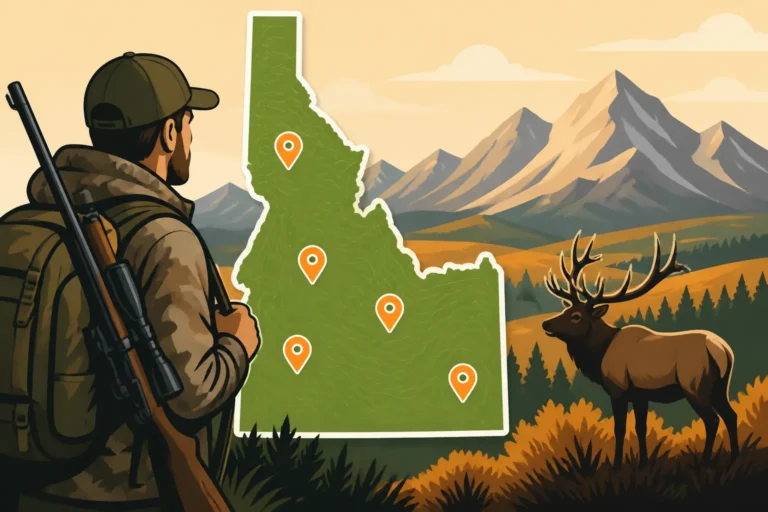
Navigating the vast landscapes of Idaho for hunting can be exhilarating, but it often comes with a frustrating challenge: finding enough accessible land. Whether you're a seasoned local or a nonresident dreaming of an Idaho adventure, hitting a "No Trespassing" sign or staring at a map showing a checkerboard of public and private parcels can quickly turn excitement into exasperation. This guide is here to shed light on a crucial program designed to alleviate just that problem – Idaho's Access Yes program – detailing exactly how much land it opens up and how you can make the most of it for your next hunting season.
The Frustration of Limited Access: Why Programs Like Access Yes Matter
For anyone who has ever pulled up a hunting unit map, the reality of land ownership can be a complex, often maddening, puzzle. You see large swaths of public ground – National Forests, BLM land – but often, these are interspersed with private holdings, creating bottlenecks or completely blocking access to prime hunting areas. It's a universal frustration among hunters: knowing the game is there, but being unable to legally reach it. This isn't just an inconvenience; it can severely limit hunting opportunities, especially for those pursuing species like mule deer on winter range or elk transitioning between timber and agricultural fields. This is precisely where innovative programs like Access Yes step in to bridge the gap.
The Reality of Patchwork Land Ownership
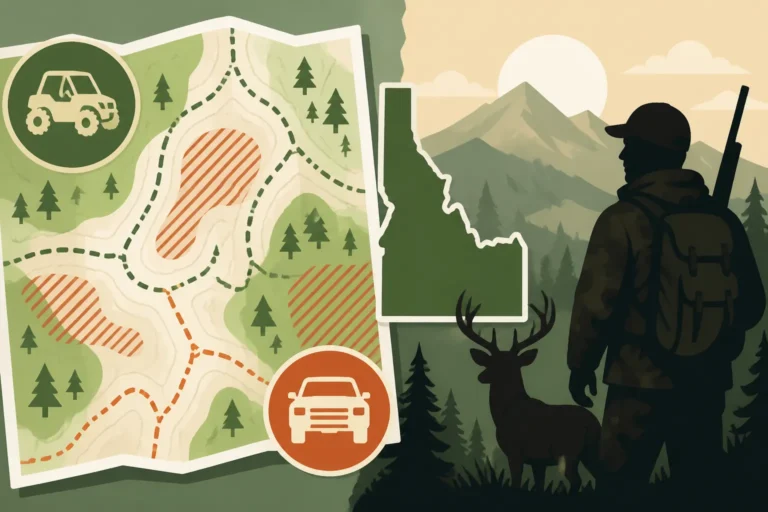
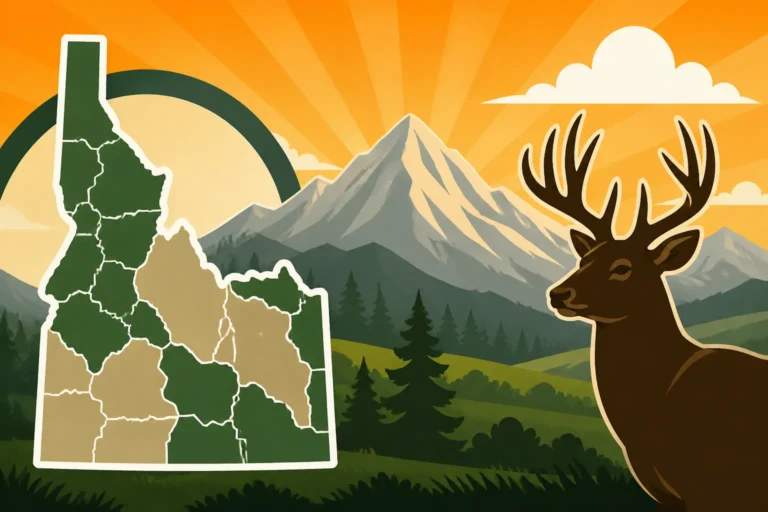
Think about looking at a satellite map of Idaho's hunting units. You’ll often see a mosaic of green (National Forest), tan (BLM), and then patches of white, indicating private land. This isn't just random; it's a historical legacy of land grants and settlement patterns. A prime piece of public ground might be entirely surrounded by private property, making it effectively inaccessible to the average hunter without explicit permission. I’ve heard countless stories, and experienced some myself, of hunters spotting elk bedding down just across a fence line on private property that connects to public land, only to realize they have no legal way to pursue them. It’s a disheartening scenario, and it’s one that directly impacts hunter success and overall enjoyment of our wild spaces. Programs that help us untangle this patchwork are invaluable.
Beyond Just Public Land: The Need for More Ground
Even when there's plenty of public land available, the sheer pressure from other hunters can sometimes diminish the quality of the experience. We all cherish the solitude and challenge of a backcountry hunt, but increasingly, finding that untouched spot requires more effort and deeper dives into remote areas. Moreover, certain wildlife populations, particularly mule deer and upland birds, often thrive on private agricultural lands or areas near ranching operations. Without a mechanism to access these private parcels, hunters are missing out on vital habitat and diverse hunting opportunities. This isn’t about supplanting public land hunting; it’s about supplementing it, providing more options and spreading out hunting pressure across the landscape. We need every tool in our arsenal to maintain quality hunting in Idaho. You might also want to explore Hunting Idaho's National Forests and BLM Ground for other public land options.
Unpacking Idaho's Access Yes Program: The Numbers and the Benefits
The Idaho Department of Fish and Game recognized this persistent access problem and created Access Yes as a solution. It's a truly brilliant program that incentivizes private landowners to open their property for public hunting, fishing, and trapping. It’s not just a handshake deal; it’s a formal agreement that benefits everyone involved, especially the hunters who get to explore new ground. The program aims to increase hunter opportunity and alleviate some of the pressure on purely public lands by strategically adding private ground to the mix.
The Acreage Revealed: How Much Land is Opened?
Now, for the big question: how much ground does this program actually unlock? The Idaho Access Yes program typically covers about 328,000 acres of private land across the state. Think about that for a moment – that’s nearly a third of a million acres that, without this program, would largely be off-limits to public hunting. This isn’t just small, isolated parcels; many of these are strategically important lands, including agricultural fields, riparian areas, and critical winter range that connect public land parcels or provide unique habitat not found elsewhere. This significant acreage provides a massive boost to general access, allowing hunters to spread out and find less pressured areas. It's a testament to the willingness of Idaho landowners to partner with the hunting community for the greater good. For more context, you can read The Idaho Access Yes Program Explained.
These acres aren't static; the total number can fluctuate slightly from year to year as new landowner agreements are made or existing ones expire. However, the consistent effort by Idaho Fish and Game ensures that a substantial amount of private land remains open. What's particularly valuable is that these lands are often found in areas that are otherwise heavily fragmented by private ownership, making them prime spots for hunting diverse species. Imagine being able to legally access a private parcel that holds a critical choke point for migrating deer or a food source for resident elk. That's the power of 328,000 acres of open ground.
How Access Yes Works: A Partnership for Hunters and Landowners
Access Yes operates on a simple, yet effective, premise: the Idaho Department of Fish and Game provides monetary incentives or other benefits to private landowners in exchange for opening their land to public access. For landowners, this can mean compensation for potential crop damage, assistance with fencing or other land improvements, or help managing wildlife populations that might be impacting their property. It’s a way for them to be recognized for the value their land provides to wildlife and, by extension, to the public.
From a hunter's perspective, this means you can legally enter and hunt on these designated private lands without needing to knock on doors or seek individual permission slips. The rules for hunting on these properties are clearly defined and generally mirror state hunting regulations, though some sites might have specific restrictions regarding vehicle use or species hunted. This transparency and ease of access are huge benefits. It removes the anxiety of potential trespassing and streamlines the hunt planning process significantly. This partnership truly embodies a win-win scenario, fostering goodwill between private landowners and the hunting public, which is absolutely vital for the future of our sport. You might want to check out Idaho Landowner Permission Slips Work for traditional private land access.
Finding Access Yes Properties: Tools for Your Hunt Planning
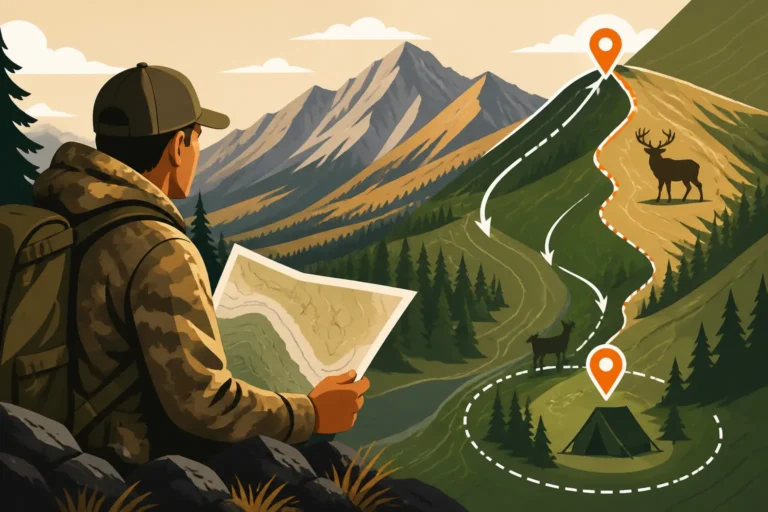
Okay, so there are 328,000 acres available, but how do you actually find them? This is where modern hunting technology really shines. The Idaho Department of Fish and Game provides maps and detailed information about all Access Yes properties on their website, often broken down by region and unit. These maps typically show the boundaries of the accessible land, specific entry points, and any special rules that apply to that particular parcel.
Beyond the official resources, mapping applications like onX Hunt are indispensable tools for locating and navigating Access Yes properties. You can literally turn on a layer within the app that highlights these lands, along with public and private land boundaries, right on your smartphone or GPS device. This makes scouting and on-the-ground navigation incredibly simple. Another great resource for research and planning is GoHunt, which often integrates this kind of access information into their unit breakdowns and harvest statistics. Being able to visualize these properties in relation to public land, roads, and terrain can give you a significant advantage in planning your hunt and finding unpressured game. Understanding how to use these tools is key to unlocking these valuable acres. For a more detailed guide, see Finding Access Yes Properties on a Map.
Maximizing Your Opportunity on Access Yes Lands
Just because land is open through Access Yes doesn't mean it's a free-for-all. To ensure the program continues and that landowners remain willing participants, hunters have a responsibility to adhere to all rules and ethical practices. These lands are a privilege, not a right, and treating them with respect is paramount to their continued availability.
Rules of Engagement: Respecting Landowner Trust
When you step onto an Access Yes property, remember that you are a guest on private land. While you don't need a specific permission slip for that hunt, you still need to follow the posted rules. These can vary from site to site but commonly include things like:
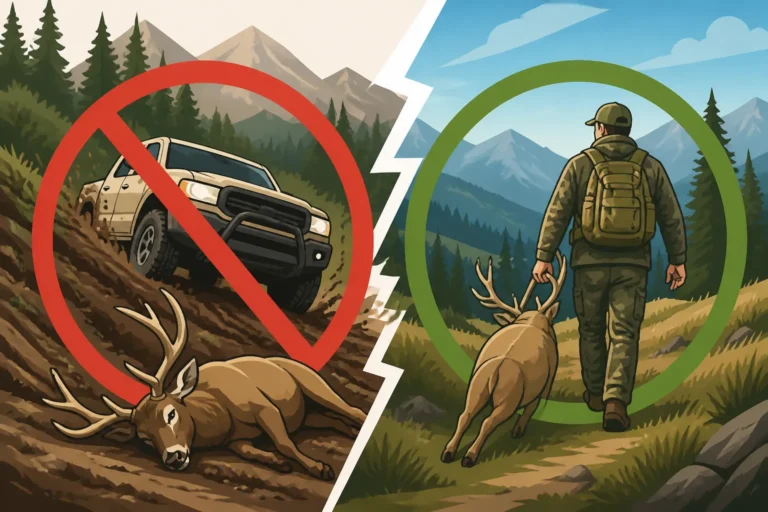
- No motorized vehicles off designated roads: This protects fields and minimizes disturbance.
- No littering: Pack it in, pack it out – every single wrapper and shell casing.
- Respecting crops and livestock: Stay clear of agricultural operations and don't harass animals.
- Specific parking areas: Use only marked parking to avoid blocking access or damaging property.
- Closed areas: Some parts of a property might remain off-limits, so pay attention to signage.
Failing to follow these guidelines not only risks you a citation but, more importantly, jeopardizes the entire program. One bad apple can spoil the bunch, leading landowners to pull out of the program, which would be a huge loss for all Idaho hunters. Always read the signs at the access points and familiarize yourself with any specific regulations for the property you intend to hunt. It's truly a critical part of upholding the integrity of the program. You can find more details in Access Yes Rules Hunters Must Follow.
Planning Your Hunt: What to Expect from Access Yes Areas
Access Yes properties are diverse. They can range from expansive dryland farms and sagebrush steppe in southern Idaho, offering fantastic opportunities for pheasant, quail, and mule deer, to timbered parcels in the northern parts of the state that might provide access to elk migration routes or whitetail haunts. Because these are often private lands, they might offer a different type of hunting experience than traditional public land. For example, some might be perfect for early-season upland bird hunting before crops are fully harvested, while others could provide late-season deer opportunities on winter feeding grounds.
It’s crucial to do your homework. Look at the satellite imagery, understand the local habitat, and cross-reference with species distributions for that unit. Some Access Yes properties might be small, providing only a sliver of access to a larger public parcel, while others are large enough to be a destination in themselves. Don't go in expecting a pristine wilderness experience on every parcel. Many will be working lands, and that's okay! It just means your scouting and approach need to be tailored to those specific conditions. These areas truly provide a complement to the hunting opportunities found on public lands, adding more tools to your belt. When considering where to focus, consider reviewing Checking Public Land Percentage by Idaho Unit for comparison.
The Bigger Picture: Supporting Access for Future Generations
The Access Yes program is funded primarily through hunter license fees and donations, including those specifically earmarked for the program. Every time you purchase a hunting license or choose to donate to Access Yes, you're directly contributing to the continuation and expansion of these vital access opportunities. It's a tangible way to invest in the future of hunting in Idaho. The program fosters good relationships between the hunting community and private landowners, which is absolutely crucial in a state where private land makes up a significant portion of the landscape. Without these partnerships, a huge amount of prime habitat would be locked away, making it harder for both wildlife and hunters. Supporting Access Yes means supporting not just your own hunting opportunities, but those of your kids and grandkids as well. It’s an investment in the legacy of hunting in Idaho.
Access Yes Program Overview
Here's a quick look at the key aspects of Idaho's Access Yes program:
| Feature | Description | Hunter Benefit | Landowner Benefit |
|---|---|---|---|
| Total Acres Opened | Approximately 328,000 acres of private land annually | Significantly expands public hunting opportunities, reducing pressure on public land | Compensation for public access, fostering goodwill |
| Program Mechanism | IDFG leases or secures agreements with private landowners for public access | Legal, pre-approved access to private land without individual permission | Financial incentives, habitat improvement, wildlife management assistance |
| Access Types | Walk-in, sometimes vehicle on designated roads | Diverse hunting experiences on agricultural, riparian, and timbered private lands | Reduced poaching, assistance with problem wildlife |
| Key Rules | Varies by site; always check signs for specific regulations (e.g., no vehicles off-road, no littering) | Clear guidelines ensure respectful use | Protection of property, livestock, and crops |
| Funding Source | Hunter license fees, donations, and specific Access Yes contributions | Direct investment in hunter access, sustainable for future generations | Ongoing support ensures program continuity |
| How to Find Properties | IDFG website maps, onX Hunt app, GoHunt resources | Easy-to-use digital tools for scouting and navigation | Visibility and partnership with state wildlife agency |
Disclaimer
This article is for general informational purposes only and does not constitute professional advice. Laws, prices and regulations vary by location and change over time. Consult a qualified professional for guidance on your specific situation.