Finding Drawing Odds in the Hunt Planner
Trying to figure out your chances in an Idaho controlled hunt draw can feel like deciphering an ancient scroll, especially when you're staring at pages of numbers and charts on the Idaho Fish and Game website. It's a common frustration to want to know if applying for that dream elk tag is even worth the application fee, or if you're better off focusing on a different unit or species. This guide is going to walk you through exactly how to navigate the Idaho Hunt Planner to find those crucial drawing odds, helping you make informed decisions for your next hunting season.
Why Understanding Drawing Odds Matters for Idaho Hunters
Let's be real, nobody wants to throw good money after a tag that has virtually no chance of being drawn, especially when you consider the cost of an Idaho hunting license and the application fees. Understanding drawing odds isn't just about curiosity; it's a fundamental part of strategic hunt planning in Idaho. Unlike some other western states, Idaho Has No Preference Points, and What That Changes. This means that every applicant, whether it's their first time applying or their tenth, generally starts on equal footing for most controlled hunts. This system, while fair, places an even greater emphasis on truly understanding the odds for each unit and species.
When you know the odds, you can manage your expectations, which is huge for mental game. It helps you decide if you should apply for that coveted mountain goat tag with 1% odds or if your time and money are better spent on a more attainable deer or elk tag. It influences whether you plan a full-on backcountry pack trip or a more accessible general season hunt. Moreover, knowing the odds allows you to identify units that might be overlooked, potentially offering better success rates for drawing a tag without a significant drop in hunting quality. It’s about being smart with your applications, ensuring you put yourself in the best possible position each year.
Navigating the Idaho Hunt Planner for Odds
The Idaho Hunt Planner is your go-to official resource for all things related to Idaho hunt unit boundaries, regulations, and yes, those all-important drawing odds. It's a powerful tool, but like any powerful tool, it takes a little getting used to. Don't let the initial complexity deter you; once you know where to look, it becomes much more user-friendly.
Getting Started with the Hunt Planner
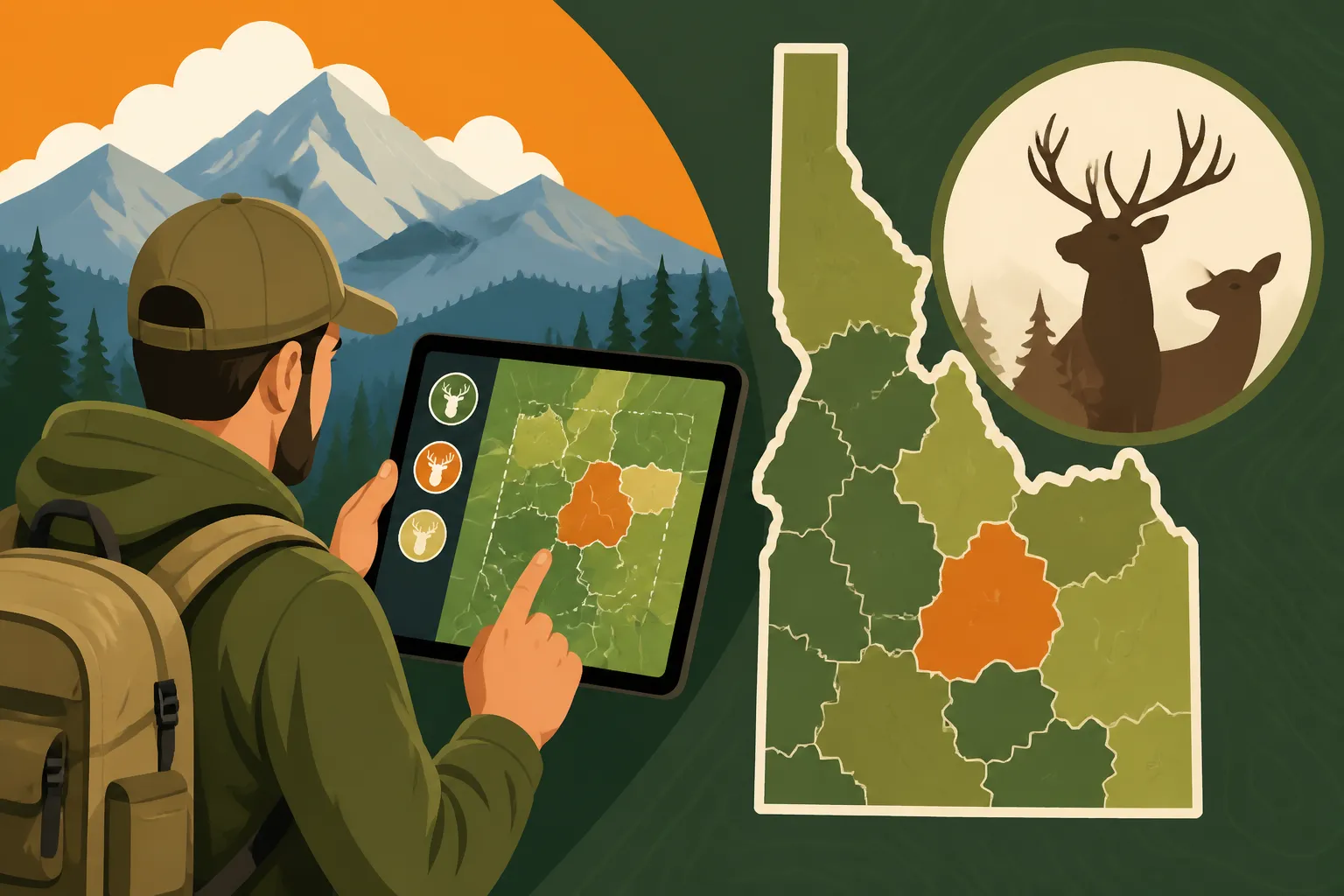
Your journey begins on the Idaho Fish and Game website. You'll want to look for the "Hunt Planner" section, often found under "Hunting" or "Licenses & Tags." Think of it as your digital portal to planning your Idaho adventure. The main page usually offers various search criteria, allowing you to filter by species, season, weapon type, and even specific units or zones. If you're just starting, it's often easiest to begin by selecting the species you're interested in, say "Elk," and then narrowing it down from there. The Idaho Fish and Game website puts a lot of information into this one central location, making it a critical first stop for every hunter. You can explore a lot more than just odds here; it's truly The Idaho Hunt Planner Is the Tool to Start With.
Once you've selected your desired species, you'll likely be presented with a list of available controlled hunts. This list will typically include the hunt number, the unit or zone, the season dates, and the weapon type. It's crucial to pay close attention to all these details, as a slight change in weapon (e.g., muzzleloader-only vs. any-weapon) or season dates can dramatically alter the drawing odds and the overall hunting experience. Don't rush this initial selection; accuracy here sets you up for accurate odds research. You might even use Using the Idaho Hunt Planner Map Center to visually confirm unit boundaries.
Locating the Odds Section
After you've identified a specific hunt number or unit you're interested in, click on it. This usually takes you to a detailed page for that particular hunt. On this page, you'll often find various tabs or links, such as "Regulations," "Harvest Statistics," and critically, "Drawing Odds" or "Application Statistics." This is where the magic happens. Click on that "Drawing Odds" link, and you'll be presented with a table that shows the previous year's application data. It's important to remember that these are historical odds. While they are the best indicator we have, they don't guarantee future results. Factors like changes in tag quotas or unexpected surges in applicant interest can shift the landscape.
Within this section, you might also find links to Reading Harvest Statistics by Idaho Unit. While not directly drawing odds, these statistics offer invaluable context. If a unit consistently has very high harvest success rates for mature animals, it's logical to expect that more hunters will apply for it, thus driving down draw odds. Conversely, a unit with lower harvest rates might offer better drawing odds, but you'd need to consider if the hunting experience aligns with your goals. These two data points, drawing odds and harvest statistics, are two sides of the same coin when evaluating a unit's potential.
Interpreting the Data
When you finally land on the drawing odds table, you'll see a breakdown of information, typically including:
- Hunt Number/Unit: Confirms you're looking at the right hunt.
- Tags Offered: The total number of tags available for that specific hunt.
- Total Applicants: The number of people who applied for that hunt.
- Successful Applicants: The number of people who actually drew the tag.
- Odds (or Success Rate): This is usually presented as a percentage or a ratio, indicating your statistical chance of drawing.
It’s common to see separate columns for resident and nonresident applicants, which is extremely important because nonresident odds are almost always significantly lower due to quotas. Idaho sets aside specific numbers of deer and elk tags for nonresidents, making those draws much more competitive. For instance, you might see something like "1 in 10" for residents and "1 in 100" for nonresidents. Pay close attention to these distinctions, as they directly impact your planning.
Here’s a simplified example of how you might interpret a drawing odds table for a hypothetical elk hunt in Unit 40:
| Hunt # | Unit | Species/Weapon | Tags Offered | Resident Applicants | Resident Success Rate | Nonresident Applicants | Nonresident Success Rate |
|---|---|---|---|---|---|---|---|
| 1234 | 40 | Elk Any Weapon | 50 | 1500 | 3.3% (1 in 30) | 500 | 0.6% (1 in 166) |
| 1235 | 40 | Elk Archery | 25 | 300 | 8.3% (1 in 12) | 100 | 2.0% (1 in 50) |
From this table, you can see that the Archery hunt (Hunt #1235) in Unit 40 offers significantly better resident odds than the Any Weapon hunt (Hunt #1234), even with fewer tags. For nonresidents, both hunts are tough, but the archery tag still provides a slightly better chance. This kind of direct comparison is what makes these tables so useful. Remember, How Idaho Draws Without a Point System means every single application is treated equally in the random drawing, so a 3.3% chance is truly 3.3% for each applicant.
Beyond the Planner: External Tools and Strategies
While the Idaho Hunt Planner is the official source, savvy hunters often use a combination of resources to gain a comprehensive understanding of their hunt prospects. These additional tools can help you analyze the data in different ways and provide valuable insights that might not be immediately apparent from the raw numbers.
Augmenting Your Research with Third-Party Resources
Several third-party applications and websites specialize in compiling and analyzing hunting data, making it easier to visualize and compare drawing odds across states and units. Services like GoHunt and onX Hunt are popular choices among serious Western hunters.
- GoHunt: This platform, for example, often takes the raw data from state fish and game agencies and presents it in a more digestible format, often with predictive analytics. They might offer tools that allow you to easily sort hunts by odds, harvest success, and public land percentage, saving you hours of clicking through individual hunt units on the official site. They often provide detailed analysis for E-Scouting an Idaho Unit Before the Season and can be invaluable for understanding trends.
- onX Hunt: While primarily known for its mapping capabilities, showing land ownership and public/private boundaries, onX Hunt also offers powerful layering tools that can indirectly inform your odds strategy. By looking at public land percentage in a unit (something the Idaho Hunt Planner sometimes shows, but onX visualizes beautifully), you can gauge potential hunter pressure. Units with high public land access might attract more applicants, even if the absolute quality isn't top-tier, simply because access is easier. Using onX Layers for Idaho Public Land can help you scout a unit before you even apply, giving you a better feel for its true potential.
These tools are not a replacement for the official Idaho Fish and Game data, but rather powerful complements. They can help you quickly filter through hundreds of hunts, identify hidden gems with better odds, and scout the terrain virtually before you commit to an application. Just remember to always cross-reference critical details like season dates and regulations with the official Idaho Fish and Game publications.
Understanding the Variables That Influence Odds
Drawing odds aren't static; they're a snapshot of the previous year, influenced by a dynamic set of variables. Understanding these can give you an edge in predicting how odds might shift from one year to the next.
- Tag Quotas: The most direct influence on odds is the number of tags issued. If the Idaho Fish and Game department decides to reduce tags for a certain unit due to population concerns or management goals, the odds will naturally get tougher, even if the applicant pool stays the same. Conversely, an increase in tags can improve your chances. These quota changes are announced annually, so staying informed is key.
- Applicant Pool Fluctuations: Hunter interest is fickle. A "hot" unit, perhaps one that produced a few monster bulls or bucks the previous year, can suddenly see a surge in applications, drastically driving down odds. Social media and hunting forums often amplify this effect. Conversely, a unit that had poor success or difficult conditions might see a dip in applications, making it easier to draw. The randomness of Why First-Time Applicants Have Even Odds in Idaho means these shifts can impact everyone.
- Species Popularity: Elk and mule deer tags are generally the most sought-after, leading to lower odds. Moose, bighorn sheep, and mountain goat tags are typically the hardest to draw, often requiring many years of applying. However, less popular species or unique weapon types (like late-season muzzleloader deer hunts) might offer surprisingly good odds because fewer people apply for them.
By considering these variables, you can move beyond simply looking at past numbers and start thinking critically about how future odds might trend. This foresight can be incredibly valuable in making smart application choices.
Practical Tips for Maximizing Your Idaho Draw Success
Once you've done your homework and understand the drawing odds, it's time to put that knowledge into action. There are a few practical steps you can take to make the most of your Idaho controlled hunt applications.
Applying Smartly Based on Odds
Don't just apply for the "best" units with the lowest odds, unless that's your only goal and you have a decade or two to wait. A smarter approach, especially for species like deer and elk, is often to find a balance between good hunting opportunity and reasonable drawing odds. If you're a nonresident, your odds are inherently tougher, so looking for units with slightly higher nonresident tag allocations might be a wise move, even if the trophy potential isn't world-class. It's often better to have a tag in hand for a solid hunt than to continuously strike out on dream units.
Idaho's application system allows for multiple choices in some scenarios, giving you more flexibility. Carefully consider your 1st, 2nd, and even 3rd choices if the system allows. Sometimes, your third choice might have significantly better odds than your first, making it a viable backup. And don't forget the Idaho Application Fee Per Species; each application choice might incur a fee, so plan your budget accordingly.
The Importance of Backup Plans
Idaho's draw system is tough, and it's highly likely you won't draw your top choice every year, or even most years. This is where a solid backup plan comes in. Many hunters will apply for a controlled hunt but also have a general season plan ready to go. Idaho offers many excellent general season opportunities for deer and elk that don't require drawing a specific tag. These general season hunts, while often more pressured, provide guaranteed access to the field.
Another strategy is to identify potential leftover tags. While rare for prime elk or deer units, sometimes tags go unpurchased or unclaimed after the main draws. Idaho usually has a process for selling these leftover tags on a first-come, first-served basis. Keep an eye on the Idaho Fish and Game website after the main draw results are posted; you never know what might pop up. If you missed the claim deadline for a drawn tag, understanding What Happens If You Miss the Claim Deadline is important for your future planning.
Staying Current with Idaho Fish and Game
Finally, and perhaps most importantly, always make sure you're working with the most current information. Regulations, season dates, and tag quotas can change annually. The Idaho Fish and Game department updates its regulations well in advance of the application periods, and it's your responsibility as a hunter to consult these official documents. Don't rely solely on what you read in a forum or hear from a buddy; go directly to the source. The official Idaho Fish and Game website is Where the Current Idaho Regulations Are Posted is updated, and you should make it a habit to check it every year. Sign up for email newsletters from the department if they offer them, or follow their official social media channels to get timely updates on application periods, draw results, and regulation changes. The rules of the game can shift, and being informed is your best defense against missing out on an opportunity or inadvertently violating a regulation.
Disclaimer
This article is for general informational purposes only and does not constitute professional advice. Laws, prices and regulations vary by location and change over time. Consult a qualified professional for guidance on your specific situation.