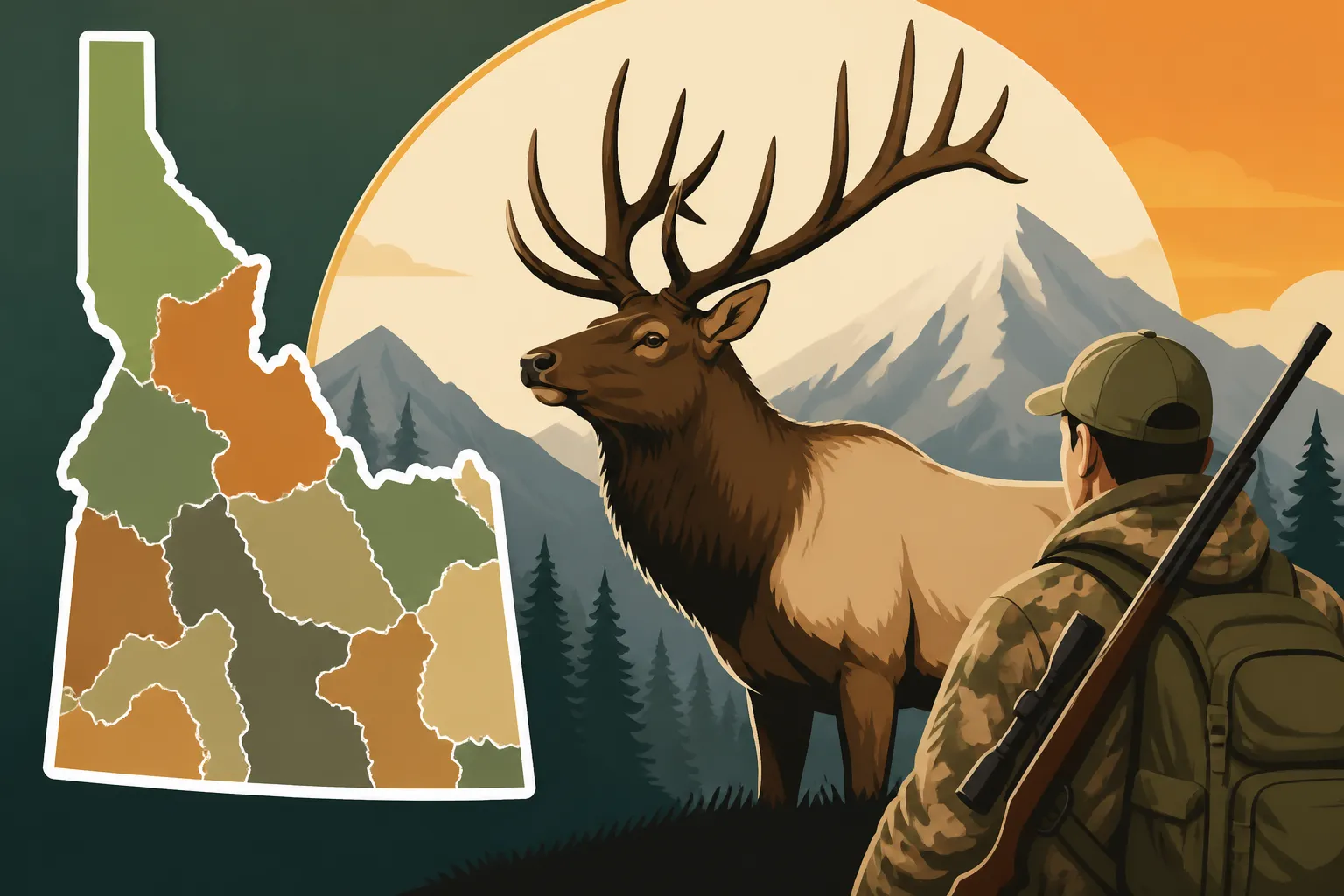
Units Against Elk Zones in Idaho
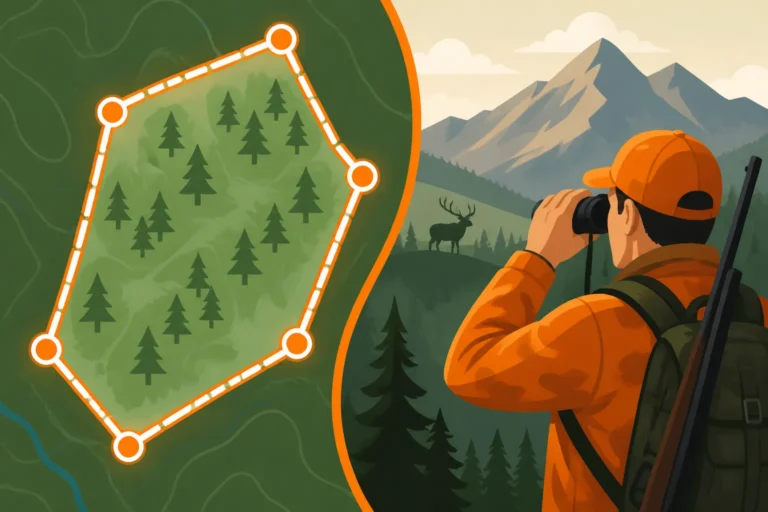
One of the most common head-scratchers for hunters looking at Idaho's regulations is the relationship between Game Management Units (GMUs) and Elk Zones. It can feel like you're trying to read two different maps at the same time, leading to confusion about where you can hunt, when, and for what. This guide is here to untangle that knot, explaining the distinct roles of both GMUs and Elk Zones and how they work together to shape your hunting experience in the Gem State.
Understanding Idaho's Game Management Units
Idaho, like many western states, relies on a system of Game Management Units (GMUs) to organize its diverse wildlife populations and manage hunting opportunities. Think of GMUs as the fundamental building blocks of Idaho's wildlife management framework, designed to encompass specific geographical areas with distinct habitat features and game populations. These units are the base layer upon which nearly all other hunting regulations are applied.
The Foundation of Idaho's Management System
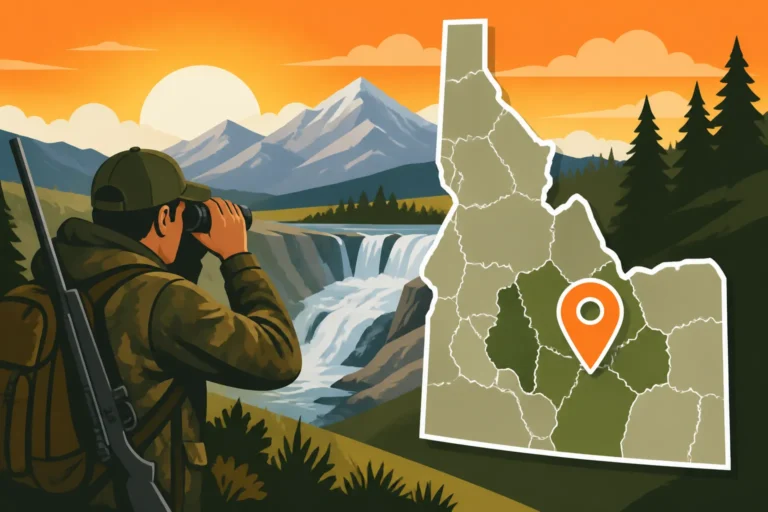
Each GMU is a carefully defined geographic area, typically bounded by natural features like rivers, mountain ranges, or major highways, sometimes even by county lines. The Idaho Department of Fish and Game uses these units to conduct species-specific population surveys, monitor harvest data, and implement management strategies tailored to local conditions. For instance, wildlife biologists might track mule deer populations in Unit 45 differently than they track whitetail deer in Unit 1, because the habitat and pressures are completely different. This granular approach allows for more precise management decisions, helping to ensure healthy game populations across the state. Without these distinct units, it would be impossible to address localized issues or understand regional trends effectively.
Unit Numbers and Boundaries
You'll quickly learn that Idaho's GMUs are identified by numbers, ranging from 1 to 99, with some units also having lettered subunits (like 10A or 45-1). These numbers are not just arbitrary labels; they represent specific areas that have been established for decades, forming the backbone of the state's hunting maps. When you're looking at a regulation brochure or an online map, understanding How Idaho Numbers Its Game Management Units is crucial for pinpointing exactly where you plan to hunt. The boundaries are often quite intricate, following the contours of the land. It’s not uncommon for a highway or a major river to serve as a boundary, but in the backcountry, these lines might follow a specific ridge crest, a drainage, or even a line of longitude or latitude. This is why tools like onX Hunt, with its detailed public and private land ownership layers and GMU boundaries, become absolutely indispensable. Without precise knowledge of these lines, you could inadvertently cross into a different unit where season dates, weapon restrictions, or even species availability might be entirely different.
Units in Regulatory Language
Almost every single hunting regulation you encounter in Idaho will refer back to a specific GMU. Whether it's the season dates for mule deer, the bag limit for elk in a controlled hunt, or specific weapon restrictions, the GMU is the primary geographical reference point. For example, a regulation might state, "Archery deer season in Unit 39 runs from August 30 to September 14," indicating that this specific unit has its own set of rules. This means that if you're planning a deer hunt, you first need to identify the unit you'll be in, and then consult the regulations specifically for that unit. It’s not enough to know you’re hunting in "southern Idaho"; you need to know the exact unit number to ensure you're compliant. This level of detail extends to Idaho's Motorized Hunting Rule Runs August Into December, which might apply differently across various GMUs, or even Trail Camera Rules on Idaho Public Land. The GMU forms the backbone of all these specific rules and guidelines.
Deciphering Idaho's Elk Zones
While GMUs serve as the universal geographical framework for all game management, Idaho introduces another layer of organization specifically for elk: the Elk Zones. These zones are designed to manage Idaho’s diverse elk populations on a broader, regional scale, often encompassing multiple GMUs. They address the unique migratory patterns, habitat, and hunting pressure specific to elk in different parts of the state.
A Focus on Elk Management
Idaho's Elk Zones are large geographical areas, each named (e.g., Panhandle Zone, Lolo Zone, Sawtooth Zone), that consolidate several GMUs under a broader elk management strategy. The primary purpose of these zones is to simplify elk hunting regulations and manage harvest across larger landscapes. Elk, being highly mobile animals, don't always stick neatly within GMU boundaries. By creating zones, Idaho Fish and Game can implement management strategies that account for these broader movements and ecological relationships. For instance, one zone might be managed for general harvest opportunity, while another focuses on trophy potential or population growth. Understanding Idaho Elk Zones Explained is absolutely fundamental for any elk hunter in the state, as your tag will almost always specify an elk zone, not just a GMU.
General Versus Capped Zones
Within these Elk Zones, you'll encounter two main types: General Zones and Capped Zones. This distinction is paramount when planning your elk hunt.
- General Zones: These zones typically offer more widespread hunting opportunities. They usually have over-the-counter (OTC) tags available, though these often sell out very quickly, especially for nonresidents. The idea behind general zones is to provide accessible hunting for a broader population, allowing hunters to purchase a tag and pursue elk within the specified season dates and weapon types for that zone. However, even within general zones, specific GMUs might have their own nuances regarding access or localized rules.
- Capped Zones: These zones are managed more restrictively, with a set limit, or "cap," on the number of tags available. This is often done to manage pressure on specific elk herds, improve herd quality, or address conservation concerns. Tags for Capped Zones are usually highly coveted and might be distributed through a controlled hunt draw or a very limited first-come, first-served sale with a rapid sell-out. The Nine Capped Elk Zones in Idaho represent some of the state's most sought-after hunting opportunities, precisely because of their limited tag numbers and often higher quality elk. If you're hoping to hunt a capped zone, your planning needs to start much earlier and factor in the controlled hunt calendar.
The A Tag and B Tag System
Another layer of complexity within Idaho's Elk Zones is the "A Tag" and "B Tag" system. This system dictates when you can hunt within a given zone and for what weapon type. It's not about which physical area you're in, but the timing and method of your hunt.
- A Tags: Generally favor early-season archery and muzzleloader hunters, often aligning with the elk rut. If you have an A Tag, your hunting opportunity will typically fall within these earlier windows. What an Idaho A Tag Buys You is primarily access to those prime early seasons, which are often less crowded with rifle hunters.
- B Tags: Typically provide opportunities during later seasons, often including the general rifle season. These tags are geared towards hunters who prefer modern firearms or later season hunting. What an Idaho B Tag Buys You is usually access to the rifle seasons, which can offer different challenges and opportunities.
It's critical to understand that both A and B tags are valid within a specific Elk Zone. So, you might have an "Panhandle Zone A Tag" or a "Lolo Zone B Tag." The choice between an A or B tag is a strategic one, based on your preferred weapon, hunting style, and the time of year you want to be in the field. This distinction is a major factor in How to Pick Between an Idaho A Tag and a B Tag.
How Units and Elk Zones Overlap
Here's where the rubber meets the road and where many hunters get understandably confused. Idaho's Game Management Units and Elk Zones are not mutually exclusive; rather, they form a layered system. Elk Zones are essentially larger management areas that contain multiple GMUs within their boundaries. This means you'll almost always be hunting in a specific GMU that is also part of a larger Elk Zone.
Units Within Zones
Imagine a giant puzzle of Idaho, where each small piece is a GMU. Now, overlay another, larger puzzle on top of it, where each big piece is an Elk Zone. That's essentially How Idaho Elk Zones Sit on Top of the Units. When you look at an official map, you’ll see the numbered GMU boundaries, and then larger, often colored, outlines indicating the various Elk Zones. For example, a single Elk Zone, like the Lolo Zone, might encompass several distinct GMUs such as 10, 12, and parts of 17. The GMUs still retain their individual identities and are used for all-species management, but for elk, those GMUs are grouped under the Lolo Elk Zone's specific elk regulations (e.g., season dates, tag type A or B).
Where Boundaries Diverge
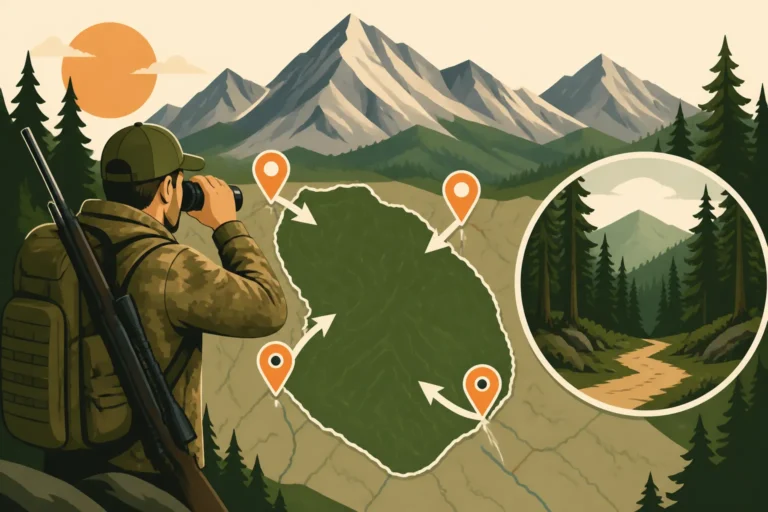
While Elk Zones encompass GMUs, it's not always a perfect, clean fit. Sometimes, a GMU boundary might split an Elk Zone, or an Elk Zone might slice through a GMU. This is where precise map reading becomes absolutely crucial. For instance, a GMU might be partially in one Elk Zone and partially in another, or a GMU could straddle the boundary of a Capped Zone. If you're hunting near such a boundary, it's imperative to know exactly which side you're on, as the elk regulations can change instantly. This is a prime example of why digital mapping tools like onX Hunt or GoHunt are invaluable. They allow you to layer GMU and Elk Zone boundaries, ensuring you're always aware of where you stand in relation to both. Understanding Reading an Elk Zone Boundary on a Map is essential to avoid any violations, especially when hunting close to these lines.
Practical Impact on Tagging and Rules
This layered system has a direct and significant impact on how you obtain and use your hunting tag. When you apply for or purchase an elk tag, it will specify both the Elk Zone (e.g., Panhandle Zone) and the tag type (A or B). It will not specify a particular GMU for elk. Once you have that "Panhandle Zone A Tag," you are generally authorized to hunt elk in any GMU that falls completely or partially within the Panhandle Zone, provided you adhere to the season dates and weapon restrictions for that A Tag within that zone.
However, the GMUs still hold sway for other species and often for local elk rules. For example, while your "Panhandle Zone A Tag" gives you elk access across multiple GMUs within that zone, if you're also hunting deer, your deer tag will almost certainly be specific to a GMU. A common scenario is having an elk tag for the Lolo Zone (which covers GMUs 10, 12, etc.) but a deer tag that is valid only for Unit 10. You need to be aware of both sets of rules. Furthermore, some localized elk regulations might still be tied to specific GMUs even within a zone, such as an antlerless elk hunt or specific spike-only rules in certain areas. This is why you must always consult the current Idaho regulations booklet; it's the definitive source for all these nuanced rules.
Why This Distinction Matters for Hunters
Navigating the GMU and Elk Zone system isn't just an academic exercise; it has real, tangible consequences for your hunt planning and success. Misunderstanding these layers can lead to missed opportunities, illegal harvests, or simply a frustrating and inefficient hunt.
Drawing Tags and Application Strategy
The interaction between GMUs and Elk Zones is central to Idaho's controlled hunt draw system, especially for elk. While your elk tag will be for a zone and tag type (e.g., Lolo Zone B Tag), the success rates and specific regulations often vary wildly from one GMU to another within that zone. When you're researching units for your controlled hunt application, you're often looking at the success rates, elk densities, and terrain of specific GMUs, even though your tag would be valid for the broader zone. This means your research might focus on Units 10, 12, or 17 if you're targeting the Lolo Zone, trying to find the best odds or the type of country you prefer to hunt.
Moreover, if you're applying for species other than elk, such as deer or moose, those tags will always be unit-specific. So, you might be planning an elk hunt in the Panhandle Zone, but your mule deer application will be for a specific unit like 1 or 6. This requires a dual-track approach to your application strategy, researching both zones for elk and specific units for other species. Fortunately, Idaho has no preference points, so every application stands an equal chance, but understanding the unit/zone dynamics helps immensely in making an informed application.
Understanding Season Dates and Weapon Types
The GMU and Elk Zone structure directly dictates your season dates and permitted weapon types. For elk, your chosen Elk Zone and tag type (A or B) will define the legal hunting periods. For example, a Sawtooth Zone A Tag will have specific archery and muzzleloader dates, while a Sawtooth Zone B Tag will have different (and often later) rifle dates.
However, for all other species, and sometimes even for specific elk management actions within a zone, the season dates and weapon restrictions will be tied directly to the GMU. This means you might be hunting elk with a bow in a particular GMU during the A Tag season, but if you have a deer tag for that same GMU, the deer season might not open for another two weeks, or might require a different weapon type. This is particularly important for combination hunts where you're carrying tags for multiple species. You must pay close attention to the specific unit regulations for each species to ensure you're hunting legally. For instance, Short-Range Weapon Season Dates in Idaho will be unit-specific, even if those units are within an elk zone.
Harvest Reporting and Data
After a successful hunt, harvest reporting is mandatory in Idaho. This reporting is done at the GMU level, regardless of whether you harvested an elk or a deer. When you report your elk harvest, you will be required to specify the GMU in which you harvested the animal, not just the Elk Zone. This allows Idaho Fish and Game to collect precise data on harvest success, animal age, and sex ratios at a localized level, which is vital for fine-tuning management strategies for specific elk herds and other species.
This data is then compiled and analyzed, often available to the public. Hunters can review Reading Harvest Statistics by Idaho Unit to gain insights into past success rates, elk densities, and pressure in specific GMUs. This information can be a game-changer for planning future hunts, helping you identify areas with higher success rates or less hunting pressure. So, while you plan by zone, the boots-on-the-ground reality and the official data collection happen at the GMU level.
Navigating the System: Tools and Strategies
The good news is that Idaho Fish and Game, along with modern hunting technology, provides excellent resources to help hunters navigate this dual system. You don't have to decipher confusing paper maps alone; digital tools and official publications are your best friends.
Utilizing Mapping Tools
Modern hunting apps are revolutionary for understanding Idaho's complex boundaries. Tools like onX Hunt and GoHunt are almost mandatory for today's hunter. They offer detailed satellite imagery, topographic maps, and crucially, overlays for GMU boundaries, Elk Zones, public land, private land, and even roads and trails.
- onX Hunt: This app allows you to toggle on layers for GMU boundaries, elk zones, and land ownership. You can see exactly where you are in relation to these lines in real-time, preventing accidental trespass or hunting out of season. Planning a route from camp to a specific bench for glassing becomes much clearer when you can see the GMU lines directly on your phone. It's particularly useful for seeing Hunting the Units Around Salmon or understanding complex boundary lines in wilderness areas.
- GoHunt: While perhaps more focused on drawing odds and hunt planning, GoHunt also provides mapping resources and integrates GMU and Elk Zone information. Their draw odds tool, for instance, often allows you to filter by specific units within zones, helping you build a smart application strategy.
These tools are worth every penny, offering peace of mind and significantly improving your situational awareness in the field. Using them means you can spend less time guessing and more time hunting. Downloading Idaho Unit Shapefiles and Layers can also be useful for advanced users who want to import these boundaries into other GIS software.
Reading the Idaho Hunt Planner
The official The Idaho Hunt Planner Is the Tool to Start With is another indispensable resource. This online portal provided by Idaho Fish and Game is a treasure trove of information. It allows you to search by GMU, Elk Zone, species, and season type, providing detailed maps, regulation summaries, and even harvest statistics.
- Interactive Maps: The Hunt Planner's interactive map allows you to zoom in and out, displaying GMU boundaries and Elk Zone overlays. You can click on specific areas to pull up regulatory information.
- Season Information: It clearly lists season dates, weapon restrictions, and tag types for both GMUs and Elk Zones. If you're wondering if Fixed Blade Against Mechanical Broadheads on Elk are legal in a specific area, the planner will help you find the answer.
- Harvest Statistics: You can dig into past harvest data for specific GMUs and Elk Zones, giving you a realistic picture of success rates and game populations.
Spending time with the Idaho Hunt Planner before you even apply for a tag can drastically improve your understanding and strategy.
Consulting the Regulations Brochure
Even with all the digital tools, the official Idaho hunting regulations brochure remains the definitive source of truth. Every year, Idaho Fish and Game publishes a new brochure that outlines all the rules, season dates, and unit/zone descriptions. It's available online as a PDF and often in print at license vendors.
- Legal Clarity: The brochure provides the exact legal language for all regulations. While apps and online planners are great for visual reference, the brochure contains the detailed written rules that you are legally bound to follow.
- Updates and Changes: Regulations can change from year to year. Relying on outdated information is a sure way to run into trouble. Always make sure you're consulting the most current version. Where the Current Idaho Regulations Are Posted will always lead you to the latest official document.
- Unit and Zone Descriptions: The brochure often includes written descriptions of unit and zone boundaries, which can clarify ambiguous areas on a map. Always cross-reference your digital maps with the written descriptions, especially in complex areas.
Think of the brochure as your official rulebook, and the digital tools as your navigational aids. Both are critical for a successful and legal hunt.
Common Misconceptions and Clarifications
Even with a good grasp of the basics, some common misunderstandings about GMUs and Elk Zones persist. Let's clear up a few of these, as they can significantly impact your hunt planning.
Mistaking a Unit for a Zone
One of the most frequent errors hunters make is conflating a GMU with an Elk Zone. They are fundamentally different levels of organization. A GMU is a smaller, all-species management area, while an Elk Zone is a larger, elk-specific management area that contains multiple GMUs.
For example, you might hear someone say they are "hunting Unit 39." This is precise for deer, bear, or other species managed by GMU. But for elk, that statement isn't enough. Unit 39 falls within the Sawtooth Elk Zone. So, an elk hunter would be "hunting the Sawtooth Elk Zone with a B Tag in Unit 39." It’s a subtle but critical distinction. Your elk tag gives you access to the entire zone (with specific weapon and date restrictions), not just one unit within it. However, your decision to focus your hunt might still be on a particular GMU within that zone due to terrain, access, or historical success. How Many Game Management Units Idaho Has versus the fewer, larger Elk Zones illustrates this scale difference.
The Myth of "Zone-Specific" Rules Beyond Elk
While Elk Zones dictate elk seasons and tag types (A/B), they generally do not set the rules for other species. Some hunters mistakenly believe that if they are in the Panhandle Elk Zone, all hunting regulations for deer, bear, or even upland birds will somehow be tied to the "Panhandle Zone" designation. This is incorrect. For virtually all other species, the regulations (season dates, bag limits, weapon restrictions, special permits) are tied directly to the specific GMU you are hunting in.
So, while your elk tag is zone-based, your deer tag will be unit-based. If you're chasing black bears, those seasons and rules are also unit-specific. This means you need to consult the GMU regulations for each individual species you intend to hunt, even if they overlap with an Elk Zone. This multi-layered approach ensures precise management for each species based on its local population dynamics.
How Changes Affect Both Systems
Idaho Fish and Game periodically reviews and sometimes adjusts both GMU boundaries and Elk Zone configurations. These changes are not made lightly and are usually driven by long-term population trends, habitat shifts, or hunter feedback. A change to an Elk Zone boundary, for instance, might mean that a specific GMU previously entirely within one zone might now be split between two, or moved entirely into another. Conversely, a minor adjustment to a GMU boundary could have ripple effects on how certain local regulations are applied.
It’s crucial for hunters to stay current with the regulations each year. Never assume that because a certain rule applied or a boundary was drawn a particular way last season, it will be the same this season. Always get the latest regulation pamphlet and cross-reference your maps. Can You Switch Idaho Zones After Buying a Tag? is a question that highlights the rigidity of the system once a tag is purchased, underscoring the importance of understanding the boundaries before you commit.
Comparing Idaho's GMUs and Elk Zones
To help summarize, let's look at a direct comparison of these two critical geographical components of Idaho hunting.
| Feature | Game Management Units (GMUs) | Elk Zones |
|---|---|---|
| Primary Purpose | Foundational unit for all wildlife management & regulations. | Specific management for elk populations on a regional scale. |
| Scale | Smaller, more numerous (99 units). | Larger, fewer (e.g., Panhandle, Lolo, Sawtooth, etc.). |
| Naming Convention | Numbered (e.g., Unit 39, Unit 10A). | Named (e.g., Panhandle Zone, Lolo Zone). |
| Species Coverage | All game species (deer, bear, upland birds, elk, etc.). | Exclusively for elk. |
| Regulatory Impact | Sets specific rules for all species, often very localized. | Sets broad elk season dates, A/B tag types, and overall elk management goals. |
| Tagging Reference | Deer, bear, moose, sheep, goat, etc., tags are unit-specific. | Elk tags are zone-specific (with A or B tag type). |
| Boundaries | Defined by natural features, roads, or survey lines. | Defined by grouping multiple GMUs, sometimes crossing GMU lines. |
| Season Information | Provides detailed, unit-specific season dates for all species. | Provides zone-wide season dates for elk (A/B tag dependent). |
| Overlap | Multiple GMUs are contained within a single Elk Zone. | An Elk Zone encompasses various GMUs. |
| Mapping Essential | Critical for all hunting, defining where you can hunt any species. | Critical for elk hunting, defining your general elk hunting area. |
Understanding this table is key to making sense of the Idaho hunting landscape. You'll always be in a GMU, and if you're elk hunting, that GMU will also fall within an Elk Zone.
Disclaimer
This article is for general informational purposes only and does not constitute professional advice. Laws, prices and regulations vary by location and change over time. Consult a qualified professional for guidance on your specific situation.