Short-Range Weapon Season Dates in Idaho
Hunting in Idaho can feel like navigating a maze of regulations, especially when you start looking at specific weapon types and their unique season dates. Many hunters get confused about what exactly qualifies as a "short-range weapon" and when they can actually use one for big game, often missing out on fantastic opportunities because the rules seem so opaque. This guide is here to untangle all that, laying out clear explanations for Idaho's short-range weapon season dates, what weapons are included, and how you can best plan your hunt to take advantage of these exciting periods.
Demystifying Idaho's Short-Range Weapon Definition
Before we even dive into specific dates, it's absolutely crucial to understand what Idaho Fish and Game (IDFG) actually considers a short-range weapon. This isn't just a casual term; it's a legal classification that dictates when and where you can hunt with certain gear. Misinterpreting this can lead to a ruined hunt, or worse, legal trouble.
What Qualifies as a Short-Range Weapon?
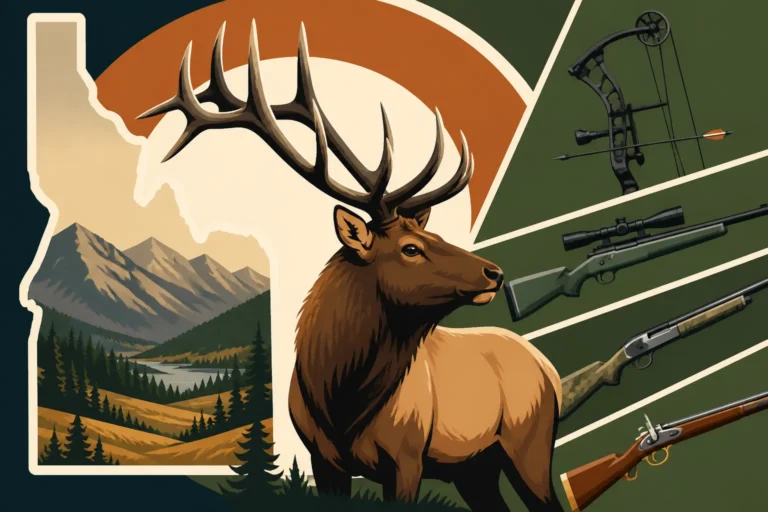
When IDFG talks about "short-range weapons," they're generally referring to a specific set of equipment designed for closer engagements, emphasizing hunter skill and limiting projectile range. This category primarily includes shotguns, muzzleloaders, archery equipment (traditional and compound bows), and crossbows. It’s important to note that just because a weapon is in this category, it doesn't mean all its variations are legal for all short-range seasons or species.
For shotguns, the definition is quite specific: they must be 20 gauge or larger, using slugs or buckshot (00 or 0 buckshot are common choices for big game). You can’t just roll up with birdshot and expect to be legal for deer or elk. If you're wondering, "Are Shotgun Slugs Legal for Big Game?", the answer is a resounding yes, provided you meet the gauge requirements. When it comes to archery, there are detailed rules around draw weight and broadhead types. Idaho requires a 40-pound bow at a 28-inch draw for deer and elk, for example. Understanding how Idaho Measures Draw Weight at 28 Inches is vital for compliance. And yes, for those curious, a common question is "Does a Crossbow Count as a Short-Range Weapon?" and it absolutely does, falling under the same general classification as other archery equipment for most seasons where short-range weapons are allowed. This clear definition helps set the stage for specific short-range weapon seasons, offering hunters a distinct set of challenges and rewards.
Distinguishing Short-Range from Muzzleloader-Only Seasons
Here's where a lot of confusion crops up, and it's a critical distinction to grasp: while muzzleloaders are indeed a type of short-range weapon, "muzzleloader-only" seasons often come with additional, much stricter regulations. Think of it like this: all squares are rectangles, but not all rectangles are squares. All muzzleloaders are short-range weapons, but not all short-range weapon seasons are muzzleloader-only.
In a general short-range weapon season, a muzzleloader can typically be used with modern conveniences like inline ignition and even scopes, assuming the overall short-range weapon rules are met. However, if the regulations specifically state "muzzleloader-only," you're usually looking at much more traditional requirements. This often means open or peep sights only (no scopes allowed), and percussion cap or flintlock ignition systems that have an exposed cap, rather than the fully enclosed inline systems common today. This is why it’s important to understand "Why Idaho Muzzleloader-Only Hunts Ban Scopes and Inline Ignition." Always, always double-check the specific unit and season regulations to confirm which set of rules applies, because using the wrong ignition type or having a scope on your muzzleloader during a "muzzleloader-only" hunt will get you in serious trouble. The subtle differences between these seasons dictate not just your weapon choice, but also your entire hunting approach.
Navigating Idaho's Short-Range Weapon Season Dates
Idaho’s hunting seasons are incredibly diverse, and short-range weapon opportunities are woven throughout the calendar. These seasons aren't always a separate block; sometimes they are embedded within general seasons or apply only to certain management units. Understanding this structure is key to finding your next hunt.
General Season Opportunities for Big Game
Idaho's short-range weapon seasons for big game, like deer and elk, offer hunters a unique window to pursue animals with equipment requiring close-range proficiency. Often, these seasons run concurrently with traditional archery seasons, or they might open a little later, providing a chance for hunters who prefer shotguns or crossbows after the initial archery rush. You'll frequently find these opportunities in areas designated as "short-range weapon only" for specific periods, usually closer to urban areas or in units with specific management goals where limiting projectile range is a safety concern or a way to distribute hunting pressure.
For elk, these seasons can sometimes coincide with the tail end of the rut in October, or they might extend into late November or early December, offering a crisp, often snowy hunt. For deer, similar patterns emerge, sometimes extending into the late fall when deer are focused on feeding before winter really sets in. It's not uncommon for these seasons to be structured to offer a different experience than a rifle hunt, pushing hunters to focus more on tracking, still-hunting, and close-quarters strategy. When looking at your options, you'll need to consider how Idaho Elk Zones and the A Tag or B Tag Choice impact your short-range weapon opportunities, as some zones might have more liberal short-range seasons than others. Generally, A Tags Favor Archery and Muzzleloader Hunters, and often, short-range weapon users fall into a similar category, getting access to earlier or specific seasons.
Controlled Hunts and Special Draw Opportunities
Some of the most coveted short-range weapon opportunities in Idaho are found within the state's controlled hunt draw. These are often for specific units or species, like certain buck deer or bull elk tags, and they are typically designed to manage populations in areas with high demand or specific biological needs. Unlike general season tags that you can often purchase over the counter, controlled hunt tags require an application and a drawing.
Idaho operates a unique draw system in that it has no preference points, meaning every applicant, regardless of whether they’re a first-timer or a seasoned veteran, has equal odds of drawing a tag each year. This is a significant difference from many other western states, and it means that even if you're new to the game, you've got a fair shot at a great short-range weapon hunt. Understanding "Idaho Has No Preference Points, and What That Changes" is vital for applying strategically. The application period for controlled hunts usually runs from April to June, with results posted later in the summer. If you draw a short-range weapon tag through a controlled hunt, you’re often looking at access to prime units or specific late-season dates that aren't available during general hunts. These hunts are an excellent way to experience Idaho's diverse big game landscape with your chosen short-range equipment, but planning ahead and applying on time is critical.
Upland Bird and Small Game Seasons
While the focus often drifts to big game, shotguns are the quintessential short-range weapon for upland birds and small game, and these seasons are generally far more expansive and less restrictive. Idaho offers fantastic opportunities for chukar, grouse, pheasants, quail, and various small game like rabbits and squirrels. The seasons for these species typically run from early fall through winter, offering a lengthy period to get out and hunt.
For upland birds, shotguns are the primary tool, and the seasons are often general, meaning you don't typically need a controlled hunt tag unless it's for a special pheasant release area or specific species like sage grouse that require a permit. You'll find diverse habitats across Idaho, from the steep, rocky breaks holding chukar and Huns, to the timbered mountainsides where ruffed and blue grouse thrive, and the agricultural fields that host pheasants and quail. These seasons provide ample opportunity to practice your shotgun skills and enjoy a different style of hunting, often with a good bird dog by your side. The liberal nature and extended dates of upland bird and small game seasons make them a perfect complement to more limited big game short-range weapon hunts.
Here's a quick overview of typical short-range weapons and their common uses in Idaho:
| Weapon Type | Caliber/Draw Weight | Primary Big Game Use | General Season Notes |
|---|---|---|---|
| Shotgun | 20 gauge or larger, slugs or 00/0 buckshot | Deer, Elk, Bear | Often limited to specific units or later seasons. Primary for upland/small game. |
| Muzzleloader | .45 caliber minimum for deer, .50 for elk | Deer, Elk, Moose, Bear | General SRW seasons allow modern inlines/scopes. Muzzleloader-only seasons are stricter. |
| Compound Bow | 40 lbs minimum @ 28" draw (deer/elk) | Deer, Elk, Moose, Bear, Lion | Often has early archery-only seasons; also legal in general SRW seasons. |
| Recurve/Longbow | 40 lbs minimum @ 28" draw (deer/elk) | Deer, Elk, Moose, Bear, Lion | Traditional archery, similar season access as compound bows. |
| Crossbow | Legal as archery equipment | Deer, Elk, Moose, Bear, Lion | Treated similarly to compound bows in most SRW and archery seasons. |
Why Choose a Short-Range Weapon Hunt?
You might be thinking, "Why limit myself?" And that's a fair question, especially with the versatility of modern rifles. But choosing a short-range weapon hunt in Idaho isn't about limitation; it's about embracing a different kind of challenge and often unlocking unique opportunities.
The Challenge and Reward of Close-Range Encounters
Let's be real, there's a primal satisfaction that comes with getting truly close to big game. With a short-range weapon, whether it's a bow, a muzzleloader, or a shotgun, your effective range is significantly reduced compared to a high-powered rifle. This forces you to hone your stalking skills, pay obsessive attention to wind direction, master stealthy movement, and understand animal behavior on a much deeper level. You become a part of the landscape rather than an observer from afar.
The reward of a close-range encounter is immense. Imagine spending hours still-hunting through timber, reading every track and sign, catching a faint scent, and finally spotting a bull elk at 40 yards, just through the trees. Drawing your bow or raising your muzzleloader in that moment, knowing all your effort has brought you to that intimate distance, is an experience many hunters live for. It transforms the hunt from a long-distance shooting exercise into a chess match of wits and senses. This intense focus on the "how" of the hunt, rather than just the "what," truly sets short-range weapon seasons apart and builds a skillset that will make you a better hunter overall.
Accessing Specific Hunt Units and Later Season Opportunities
Another compelling reason to embrace short-range weapon hunts is the access they can provide to certain units or season dates that might otherwise be unavailable or heavily pressured. In many parts of Idaho, particularly those closer to human populations, short-range weapon-only seasons are implemented to manage hunting safety and local game populations. These units might be closed to rifle hunting entirely, or they might offer extended or different dates for short-range users.
Furthermore, short-range weapon seasons often extend later into the year than general rifle seasons. This can give you an invaluable opportunity to hunt during colder weather when big game animals might be more concentrated or moving to lower elevations, often with fresh snow on the ground for easier tracking. These late-season hunts can be physically demanding but incredibly rewarding, offering a chance to fill a tag when other seasons have long since closed. Being able to hunt these specific areas or unique timeframes provides a distinct advantage, allowing you to pursue game in different conditions and often with less competition than during peak rifle seasons.
Practical Planning for Your Idaho Short-Range Hunt
Deciding to pursue a short-range weapon hunt in Idaho is an exciting first step. The next is meticulous planning. Idaho's diverse terrain and varied regulations mean that a well-thought-out strategy is just as important as your chosen weapon.
Deciphering the Idaho Regulations Book and Hunt Planner
Honestly, the Idaho Fish and Game regulations book can feel like reading a legal document written by a committee of lawyers. It's dense, full of cross-references, and easy to misinterpret. But it is your bible for planning any hunt in Idaho. For short-range weapon seasons, pay extremely close attention to the specific weapon definitions and any unit-specific rules. Don't just skim it; read it word for word for your chosen unit and species.
The most invaluable tool at your disposal is the Idaho Fish and Game's online Hunt Planner. This interactive resource allows you to search by game management unit (GMU), species, and weapon type, filtering down to the exact seasons you're interested in. You can click on a unit and see all the big game seasons, their dates, and the legal weapon types. It's far easier than flipping through pages of a physical book. When using the Hunt Planner, pay close attention to the "Which Weapons Qualify as Short-Range in Idaho" section for each specific hunt. It often details exactly what can and cannot be used. I personally find myself spending hours on GoHunt's Insider platform, which consolidates this information and presents it in a much more digestible format, along with draw odds and harvest statistics. Make sure to cross-reference with the official IDFG website, of course, but tools like GoHunt can significantly simplify the initial research phase. Knowing how to use The Idaho Hunt Planner Is the Tool to Start With will save you a ton of headaches and increase your chances of finding a great short-range hunt.
Gear Considerations for Short-Range Weapon Hunters
Your gear choices are paramount for a successful short-range hunt. Since you're aiming for closer engagements, factors like quiet movement, scent control, and reliable optics become even more critical. If you're using a shotgun, ensure it's sighted in precisely for slugs at your maximum effective range, typically 75-125 yards, and practice shooting offhand or from kneeling positions. Muzzleloader hunters need to be meticulous with their powder charges, bullet choices, and cap seating, and understand The Effective Range of a Muzzleloader on Elk. Carrying extra caps and speedloaders for quick follow-up shots is a smart move.
For archery hunters, the focus is on broadhead sharpness, arrow flight, and a quiet setup. Make sure your bow is tuned, and you're consistently grouping shots out to your ethical maximum range. Regardless of the weapon, invest in good quality, quiet clothing that layers effectively for Idaho's often unpredictable weather. Don't forget high-quality binoculars – even at "short-range," spotting game from a distance and planning your stalk is crucial. A rangefinder is non-negotiable for precise shot placement. Finally, pack a reliable knife and game bags, because once you've successfully closed the distance, you'll need to field dress and pack out your game, which is often a significant undertaking in Idaho's rugged country.
Scouting and Strategy for Success
Successful short-range hunting in Idaho is often won or lost before you even step foot in the woods with your weapon. Pre-season scouting, both physically and virtually, is non-negotiable. Use online mapping tools, like the public and private land layers found on GoHunt, to identify potential bedding areas, feeding zones, water sources, and travel corridors. Pay attention to terrain features that will allow you to approach undetected – draws, ridges, thick timber, and natural barriers. Understanding how to use these tools for "E-Scouting an Idaho Unit Before the Season" can give you a significant advantage.
When you're boots-on-the-ground scouting, focus on finding fresh sign: tracks, rubs, droppings, and active feeding areas. Remember that short-range opportunities often exist in areas with higher hunting pressure, so finding overlooked pockets of habitat or difficult-to-access terrain can pay dividends. Consider the time of year for your hunt. Early season archery might focus on summer feeding patterns, while a late-season shotgun hunt might revolve around winter range or areas with specific browse. Keep in mind Idaho's Motorized Hunting Rule Runs August Into December, meaning access to certain areas might be restricted, forcing you to hike or pack in, which can be an advantage by reducing human pressure. Reading an Idaho Harvest Statistics Report can also give you insights into historical success rates in your chosen unit, helping you gauge its potential. Ultimately, a successful short-range hunt is a blend of knowing your weapon, understanding the animal, and being intimately familiar with the ground you're hunting.
Disclaimer
Please remember that hunting regulations in Idaho, including season dates and weapon restrictions, can change annually. It is your sole responsibility to consult the most current official Idaho Fish and Game regulations prior to any hunting activity. This article provides general information and should not be considered a substitute for the official rules and guidelines published by IDFG.