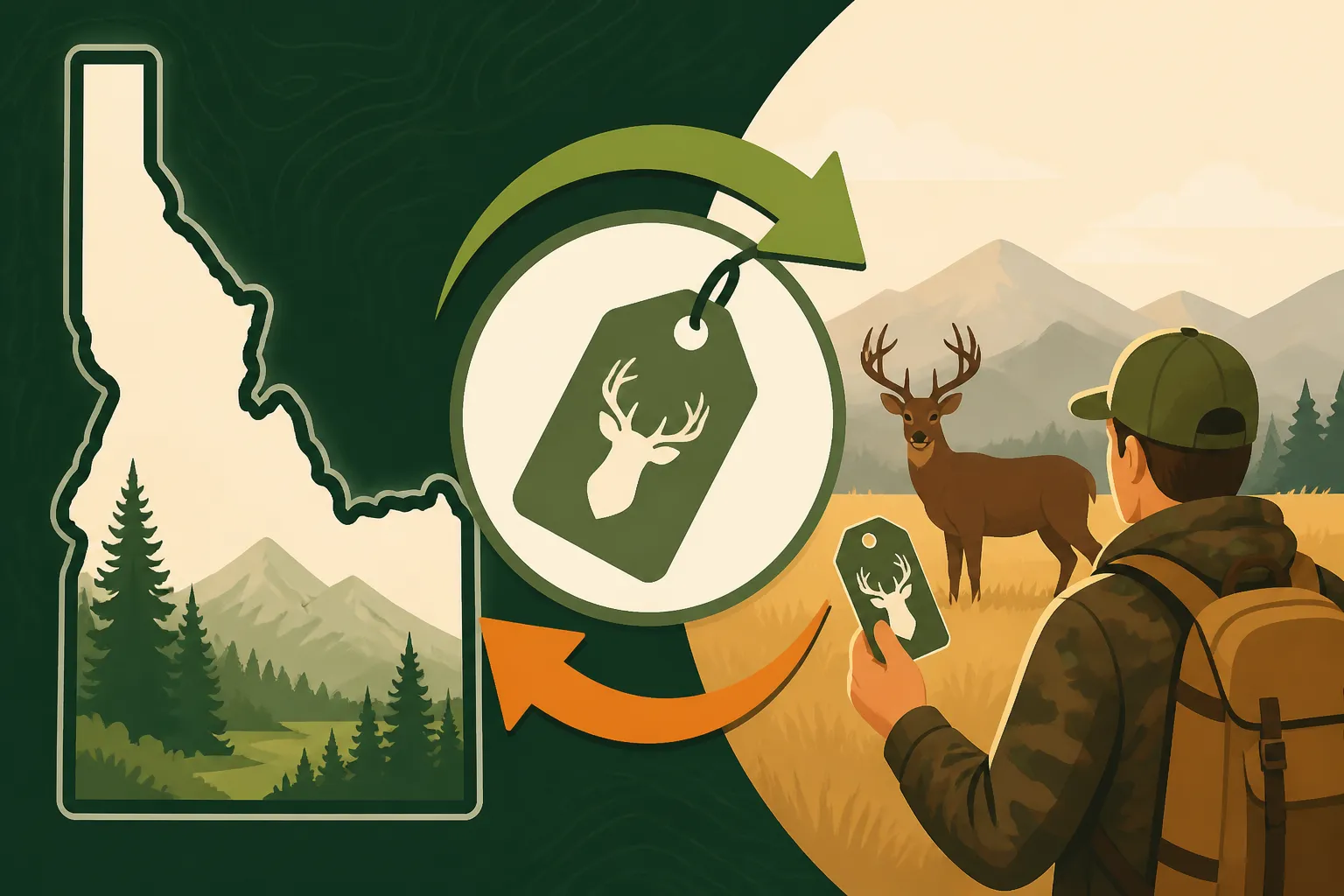
How Idaho Returned Tag Sales Work
It's incredibly frustrating when you've been planning an Idaho hunting trip for months, maybe even years, only to miss a crucial application deadline or not draw a coveted tag. You pour over maps, scout online, and dream of those Western mountains, but then the window closes, or the lottery doesn't go your way. The good news is, all hope isn't lost! Idaho has a system for returned tag sales that can offer a valuable second chance for hunters to grab a license and tag, especially if you're flexible and ready to act fast.
The Reality of Missing Out on Idaho Tags
Let's be honest, keeping track of Idaho's hunting calendar can feel like a full-time job. With different application periods, draw dates, and claim deadlines, it's easy for even the most organized hunter to miss a beat. When you don't draw a tag you applied for, or if you simply forget to apply, the feeling of disappointment can be pretty crushing. But this is precisely where the system for returned tags steps in, offering a glimmer of hope.
Why Tags Get Returned in the First Place
Tags, whether for general season or specific controlled hunts, get returned for a few key reasons, and understanding these can help you anticipate when and why they might become available. First, hunters who successfully draw a controlled hunt tag sometimes fail to purchase it by the claim deadline. Life happens, right? Plans change, finances shift, or maybe they drew a better tag elsewhere. When a drawn tag isn't claimed, it goes back into the pool. This is especially relevant for nonresident deer and elk tags, which have a specific January deadline to buy a drawn Idaho tag after the December application window.
Secondly, some tags are purchased but then returned by the hunter. While Idaho Fish and Game has a fairly strict refund and exchange policy, there are circumstances where tags can be returned, particularly if there's a medical emergency or a sudden, unavoidable conflict. These also go back into the state's inventory. Lastly, after the initial draw periods and claim deadlines, any remaining tags for various general seasons or controlled hunts that simply weren't allocated or claimed will eventually be offered on a first-come, first-served basis. This creates opportunities during Idaho's February Second Application Period for nonresidents, which is primarily for leftover deer and elk tags from the initial draw.
The Urgency of Idaho's Draw Calendar
Navigating the Idaho draw calendar is a real challenge for many hunters, and it’s a source of genuine frustration. You're trying to balance work, family, and other commitments, all while trying to remember that the application window for deer and elk opened in December and the moose, sheep, and goat applications open in April. It’s a lot to juggle! And then, there are the specific dates for when results are posted and when you absolutely must claim your tag if you're lucky enough to draw one.
This constant pressure to be "on top of it" means that even diligent hunters can sometimes overlook a detail, leading to missed opportunities. For instance, the main controlled hunt application period for most species runs from May through June, with results posted in July, and the final deadline to claim those tags often falls in August. If you miss that final claim date, your tag is gone, and it might just end up in the returned tag pool for someone else to snatch up. This entire cycle, from application to claim, underpins the constant churn of tags that can lead to these second-chance sales.
Understanding Idaho's Returned Tag Sales Process
So, you've missed the main drawing or didn't get lucky. Now what? The returned tag sales process in Idaho is your avenue for redemption, but it operates on a different rhythm than the initial application periods. It's less about applying and waiting, and more about readiness and quick action.
When Returned Tags Go on Sale
The primary window for returned tags to become available on a larger scale is typically after Idaho's second controlled hunt drawing in early August. Any tags that weren't claimed from the initial controlled hunt draw (the one in May-June) are then put into a second drawing, specifically designed to re-distribute those unclaimed opportunities. After that second drawing is complete and those tags have had their claim deadline, any remaining tags — the truly "leftover" ones — are then sold on a first-come, first-served basis. This is where the real scramble often begins.
However, it's not just a single event. Tags, particularly general season deer and elk tags, can be returned by hunters throughout the year due to unforeseen circumstances. This means that tags can potentially pop up on the Idaho Fish and Game website at any time. There's no set "returned tag sale day" for all tags; rather, it's a dynamic process where tags appear as they become available. Keep in mind that for nonresidents, Idaho Moved Nonresident Deer and Elk Tags Into a Draw for 2026, so understanding these draw changes and how they might affect returned tag availability in the future is crucial.
How to Snag a Returned Tag
Securing a returned tag in Idaho is a game of speed and vigilance. The entire process primarily happens online through the GoOutdoorsIdaho website. You need to be prepared well in advance of any anticipated sale, or even just for random tags popping up.
First and foremost, have an active account on GoOutdoorsIdaho. Make sure your profile is updated, and your credit card information is saved and ready to go. Time is truly of the essence when these tags hit the market. For instance, some of the most sought-after leftover controlled hunt tags might literally disappear within seconds of becoming available.
Many seasoned hunters use tools like GoHunt, which often provides email or text notifications when specific tags become available. While these alerts are incredibly helpful, remember that you're likely getting the same notification as hundreds, if not thousands, of other eager hunters. When you receive an alert or decide to check the site manually, navigate directly to the licensing and tag purchase section. You'll be looking for tags listed as "available" or "leftover." Be ready to add the tag to your cart and complete the purchase process as quickly as possible. Having multiple tabs open or even using different devices can sometimes give you a fractional edge. It's not uncommon for hunters to have a tag in their cart, only to have it disappear before they can finalize the payment because someone else completed their transaction faster.
Types of Tags You Might Find
While the dream is always a trophy moose or bighorn sheep tag, the reality of returned tag sales is that some opportunities are far more common than others. Managing your expectations is key to avoiding further disappointment.
General Season Deer and Elk Tags
These are by far the most likely tags you’ll find in the returned tag pool. General season deer and elk tags are not limited by drawing odds in the same way controlled hunts are, and they often have much larger quotas. Because of this, even if the nonresident quota sells out initially, there are always a few that get returned throughout the year.
When these pop up, you'll want to be familiar with the various Idaho Elk Zones and the A Tag or B Tag Choice. A tags generally offer more archery opportunity and often cover September archery seasons, while B tags typically align with later rifle seasons. You might find a general archery elk tag for a zone you hadn't considered, or perhaps a general rifle deer tag for an area that still has good hunting. These tags are still incredibly valuable, allowing you to participate in Idaho's renowned big game hunting, even if it wasn't your first choice. Being flexible with your target species, weapon choice, or even the specific unit you plan to hunt greatly increases your chances here. For example, knowing What an Idaho B Tag Buys You versus an A tag can help you decide quickly if a tag is right for you.
Controlled Hunt Leftovers
This is where things get really competitive and rare. While it's not impossible to find a controlled hunt tag in the returned tag sales, it's extremely unlikely for high-demand species like moose, bighorn sheep, or mountain goat. These tags often have incredibly low draw odds to begin with, and almost every hunter who draws one claims it.
However, for some less popular controlled hunts for deer or elk, or perhaps specific black bear units, you might see a handful become available after the second drawing. These are truly needles in a haystack. If you happen to be in the right place at the right time and spot one, you need to act immediately. They will be gone in moments. This is why many rely on specific notification services like GoHunt for these rare opportunities, because manual checking is just not feasible enough to catch them.
Other Species' Tags
Beyond deer and elk, you might also find returned tags for other species like spring or fall black bear, turkey, or even certain upland bird opportunities. These tags are generally less competitive than prime big game controlled hunts, making them a more realistic target for those looking for a second chance. The spring bear season, for example, runs from April into June, and sometimes hunters' plans change, leading to a tag being returned. Keep an eye out for these if you're keen to hunt a specific species but missed the initial sales.
Strategies for Success in the Returned Tag Market
Succeeding in the returned tag market isn't about luck alone; it's about preparation, vigilance, and strategic flexibility. Think of it less like a lottery and more like a high-stakes online shopping spree.
Being Prepared and Proactive
Being prepared means more than just having a credit card handy. It involves several layers of proactive effort. Firstly, ensure your profile on GoOutdoorsIdaho is completely up-to-date, including your address, phone number, and any hunter education certifications. Remember, Anyone Born After 1974 Needs Idaho Hunter Education, so have that certification linked to your account. You don't want to get stuck trying to update these details when a tag you want pops up.
Secondly, research the units and seasons you'd potentially be willing to hunt. If a general elk tag for the Panhandle Zone becomes available, do you know what kind of hunting that offers? Have a few backup units or weapon choices in mind. This way, if your ideal tag isn't available, you can quickly pivot to another viable option without wasting precious seconds researching. This is where understanding concepts like "Idaho Elk Zones Explained" or "How Idaho's Second Controlled Hunt Drawing Works" can really pay off, giving you a comprehensive understanding of the landscape.
Finally, set up email or text notifications through services like GoHunt. While these won't guarantee you a tag, they significantly improve your chances of being aware the moment a tag becomes available. Keep your phone or email client open and check frequently, especially during peak times when tags might be returned or leftovers are put on sale.
The Importance of Speed and Refresh Rates
When tags, especially desirable ones, go live, it's often a race against time. The website acts on a "first-to-checkout" basis. This means even if you have a tag in your cart, it's not truly yours until the payment is processed. You need to be incredibly fast.
Many experienced hunters will have the GoOutdoorsIdaho website open on multiple devices or browsers, constantly refreshing the "available tags" page. While there's no official guidance on this, the logic is simple: the more frequently you check, the higher your chance of seeing a tag the moment it's posted. Make sure your internet connection is stable and fast. Every millisecond counts. It’s not just about seeing the tag; it’s about clicking, adding to cart, and checking out before anyone else.
Flexibility is Your Friend
This might be the most crucial strategy. If you go into the returned tag market with a rigid expectation of getting a specific "any-bull, any-weapon" tag for your dream unit, you're likely to be disappointed. Instead, embrace flexibility.
- Weapon Choice: If you're primarily a rifle hunter, consider an archery tag if one becomes available, or vice versa. Archery seasons often provide more quiet, less pressured hunting. Knowing if a "Fixed Blade Against Mechanical Broadheads on Elk" is legal and what you prefer will speed up your decision if an archery tag pops up.
- Unit/Zone: Be open to hunting a different Idaho elk zone or deer unit than your first choice. Each zone offers unique challenges and opportunities. While you might have spent months e-scouting one area, another might yield an unexpected adventure.
- Species/Sex: Maybe you were hoping for an elk tag, but a good general deer tag becomes available. Or perhaps a cow elk controlled hunt tag that allows for a meat hunt, rather than a trophy bull. Cow tags, for example, are often available in greater numbers than bull tags.
- Tag Type: Understand the difference between an A tag and a B tag. For instance, an "Idaho A Tag Against B Tag for Archery Hunters" might open up opportunities you hadn't initially considered. While A tags favor archery and muzzleloader hunters with earlier seasons, B tags often provide more flexibility later in the year, particularly for rifle hunters.
- Season Dates: Be prepared for hunts that might fall earlier or later than your preferred dates. A tag for a late-season deer hunt in December could offer a unique experience.
By being flexible and knowing your options, you drastically increase your chances of walking away with an Idaho hunting tag that allows you to get out into those incredible mountains and create new memories.
| Tag Type | Likelihood of Finding (After Main Draws) | Typical Sale Method | Key Consideration |
|---|---|---|---|
| General Season Deer | High | First-come, first-served | Often available throughout the season, check GoOutdoorsIdaho regularly. |
| General Season Elk | Medium-High | First-come, first-served | More competitive than deer, especially A/B tags in popular zones. |
| Specific Controlled Deer | Low | First-come, first-served | Rare; typically only very few tags from less popular units. |
| Specific Controlled Elk | Very Low | First-come, first-served | Extremely rare, often gone in seconds if they appear. |
| Moose, Sheep, Goat | Virtually None | First-come, first-served | Don't count on it; these are almost always claimed or drawn in the second period. |
| Spring/Fall Black Bear | Medium | First-come, first-served | More common than big game controlled hunts, good option for second chances. |
| Turkey, Upland Birds | High | First-come, first-served | Fairly often available, especially if initial quotas aren't met. |
Disclaimer
Please remember that hunting regulations and tag availability in Idaho can change. Always consult the official Idaho Fish and Game website and current regulations before making any plans or purchases. This article is intended for informational purposes only and should not be considered legal advice.