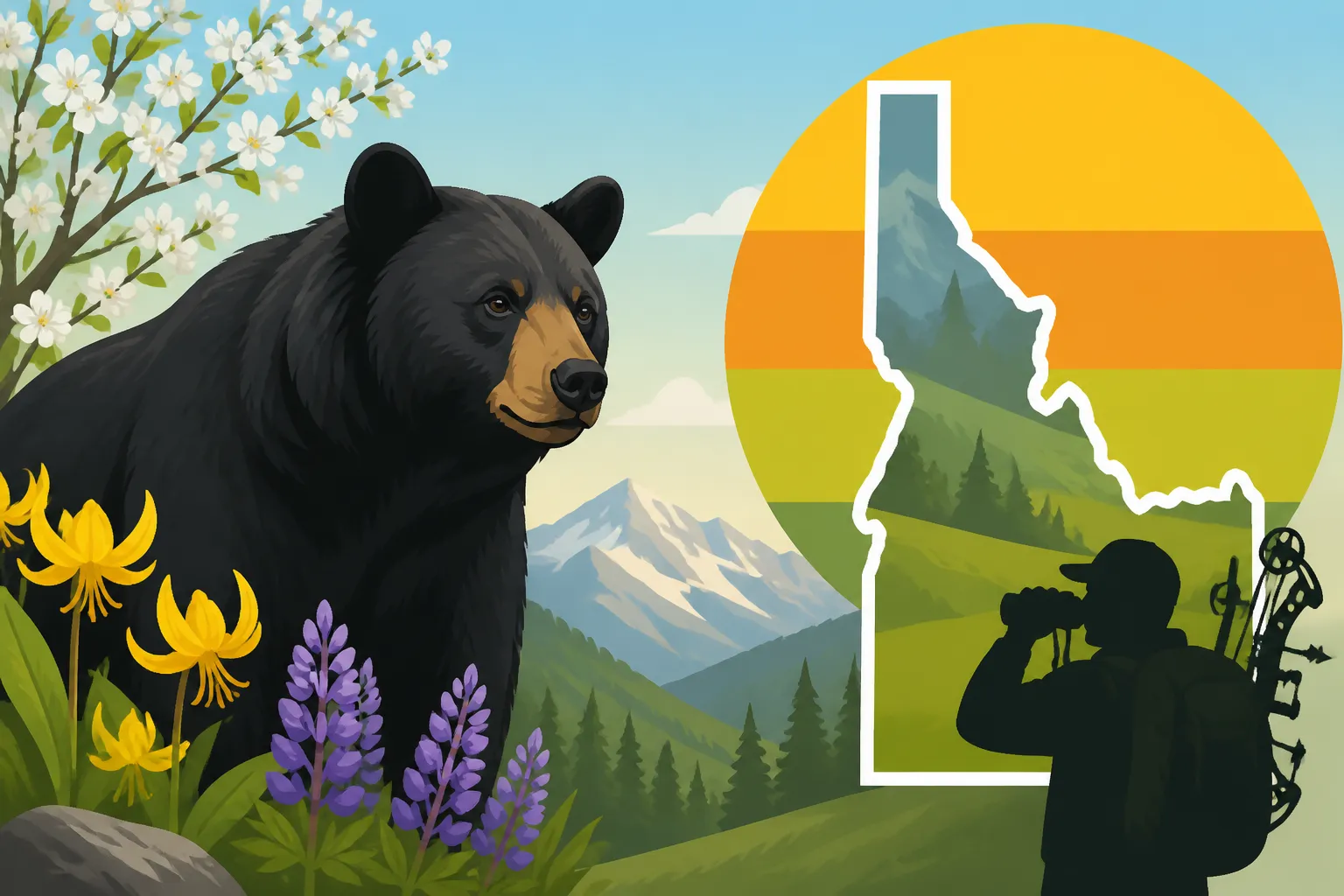
Idaho Spring Bear Season Runs April Into June
Trying to figure out exactly when Idaho's spring bear season kicks off and wraps up can feel like navigating a maze, especially with differing unit dates and often conflicting information. It’s not a simple statewide "open season" like some might hope. This comprehensive guide is here to untangle the complexities of Idaho's spring black bear hunting season, detailing when and how you can pursue these incredible animals across the Gem State and what you need to know to be prepared.
Understanding Idaho's Spring Black Bear Season Framework
Idaho's approach to black bear hunting, particularly in the spring, is a careful balancing act designed to manage populations effectively while providing ample opportunity for hunters. It's not a one-size-fits-all season; instead, it's a patchwork of specific dates and regulations that vary significantly from one corner of the state to another. This complexity can be daunting, but understanding the underlying framework is the first step toward a successful hunt. The general idea is that bears emerge from hibernation, presenting a unique challenge and opportunity before the heat of summer.
Why Spring Bear Hunting is a Unique Challenge
Spring bear hunting stands apart from nearly every other big game pursuit in Idaho. Unlike fall hunts where animals are often concentrated on specific food sources or preparing for the rut, spring bears are just emerging from their long winter slumber. They're often hungry and seeking out the first green vegetation, but their patterns can be highly unpredictable. The weather can swing wildly from warm, sunny days to late-season snowstorms, making scouting and planning a true test of adaptability. You're not just hunting a bear; you're hunting an animal that's transitioning from dormancy to full activity, often in dense, remote terrain. This makes for a truly wild and earned experience.
Another layer of the challenge comes from the sheer diversity of Idaho's landscapes. From the heavily timbered mountains of the Panhandle to the rugged breaks of central Idaho, bear habitat varies dramatically. This means tactics that work in one area might be useless in another. Hunters often find themselves navigating muddy roads, swollen creeks, and rapidly changing snow lines, all while trying to locate an animal that's naturally elusive. It's not uncommon to put in miles on foot, glassing countless hillsides, only to find no trace of a bear, which can certainly test your patience and resolve.
The General Timeline: April Into June, But It's Complicated
When most people talk about "spring bear season" in Idaho, they're generally referring to a window that opens in April and can extend well into June. However, this is a broad generalization, and relying solely on this could lead to a missed opportunity or, worse, a regulation violation. The actual opening and closing dates are unit-specific and can vary by weeks, sometimes even months, depending on the particular Game Management Unit (GMU) you intend to hunt. For instance, some units in the southern or central parts of the state might open earlier in April, while higher elevation, snow-laden areas in the north might not open until late April or even May.
The staggered nature of these seasons is largely due to regional differences in bear emergence patterns, snowmelt, and the availability of food sources. Idaho Fish and Game uses this flexibility to manage harvest pressure and respond to localized population dynamics. It's not just about the start date, either; the closing date is equally crucial. Some units might close in late May, while others provide opportunities right up until the end of June. This means that a hunter committed to a spring bear hunt might even find opportunities to hunt different units with different opening and closing dates across the duration of the broader spring season. Be sure to check the specific year's regulations, as these dates can shift slightly from year to year.
Decoding Idaho's Unit-Specific Season Dates
The devil, as they say, is in the details, and nowhere is that more true than with Idaho's spring bear season dates. The Idaho Fish and Game (IDFG) divides the state into numerous Game Management Units, and almost every single one has its own specific set of regulations for black bear. This isn't just about opening and closing dates, but also about weapon restrictions, bag limits, and even the legality of baiting or using hounds. Overlooking these nuances can quickly turn a hopeful hunting trip into a frustrating or even unlawful experience.
How Game Management Units Influence Openers and Closures
Idaho is comprised of 99 Game Management Units, each with its own unique characteristics and, often, its own set of rules. For spring black bear, these units dictate everything. You might find two adjacent units, separated only by a road or a ridge line, that have entirely different season structures. One unit might open on April 15th and close May 31st, while the neighboring unit doesn't open until May 1st and runs through June 15th. This localized approach allows IDFG to manage bear populations at a very granular level, considering factors like population density, habitat quality, potential for human-bear conflict, and hunter access.
The varying snowpack and elevation across units also play a huge role. Bears in lower elevation, warmer units will emerge from dens earlier, while those in high mountain country will stay denned up for longer. The IDFG biologists tailor season dates to coincide with when bears are most active and accessible in those specific areas. This means if you have a particular unit in mind, your first step is always to verify its exact spring bear season dates. Tools like GoHunt can be incredibly useful for quickly cross-referencing these unit-specific regulations and visualizing them on a map, saving you a lot of headache.
Navigating the Idaho Fish and Game Regulations
The official Idaho Big Game Regulations booklet is your bible for all hunting seasons, and that certainly applies to spring bear. This document, available online through the IDFG website or in print at license vendors, is where you'll find the definitive season dates for every GMU. It's crucial not to rely on old regulations or anecdotal information, as dates and rules can change annually. When you open the regulations, you'll typically find a section dedicated to black bear, often broken down by specific units or zones, detailing the weapon types allowed, whether baiting is permitted, and the specific tag requirements.
Beyond just the dates, you'll need to pay close attention to the specific hunt numbers and any special restrictions that might apply. Some units may be open for general season, while others might require a controlled hunt tag for bears, although this is less common for general spring bear opportunities. Remember that anyone born after 1974 needs Idaho Hunter Education, so make sure you’re certified before planning your trip. It's also vital to understand the "Evidence of Sex Requirements on a Carcass" to ensure legal transport of your harvested animal. Double-checking these details is paramount; a few minutes of careful reading can prevent major issues in the field.
Hunting Methods During the Spring Opener
Spring bear hunting in Idaho offers diverse strategies, each with its own set of challenges and rewards. The choice of method often depends on the specific unit you're hunting in, personal preference, and the amount of time and resources you have available. From the physically demanding spot-and-stalk to the strategic setup of a bait station, understanding the nuances of each approach is key to increasing your odds of success.
The Art of Spot and Stalk in Early Spring
Spot and stalk hunting for spring bear is arguably the most traditional and physically demanding method. It involves covering significant ground, often by vehicle on forest roads or on foot, to locate bears as they emerge from their dens and begin feeding. Early spring bears are frequently found on south-facing slopes, often referred to as "green-up" slopes, where the snow melts earliest and the first succulent vegetation appears. These areas are magnets for hungry bears after months of hibernation. Hunters will use high-quality optics, like powerful binoculars and spotting scopes, to systematically glass these slopes from a distance, looking for any dark shape moving against the lighter spring foliage.
Success with spot and stalk relies heavily on patience, keen observation skills, and the ability to navigate rugged terrain silently. Once a bear is spotted, the real challenge begins: planning a stalk that accounts for wind direction, topography, and the bear's unpredictable movements. This often means long, arduous hikes through difficult country to get within ethical shooting range. Being physically prepared for these types of hunts is crucial, as is a thorough understanding of the terrain. For more on navigating remote areas, consider learning about E-Scouting an Idaho Unit Before the Season, which can help you identify promising glassing knobs and access routes long before you hit the trail.
Utilizing Bait Sites and Registration Requirements
Baiting for black bear is a popular and effective method in many parts of Idaho, particularly in heavily timbered areas where spot and stalk opportunities are limited due to dense cover. This method involves establishing a consistent food source to attract bears to a specific location, typically within ethical shooting range from a concealed blind or stand. Common baits include sweets, pastries, meat scraps, and dog food, often placed in barrels or log piles to prevent rapid consumption and encourage repeat visits. This approach allows hunters to be more selective, observing bears over multiple visits before deciding to harvest.
However, baiting comes with strict regulations. In Idaho, bait sites must be registered with the Idaho Fish and Game and have specific signage. There are rules about how close a bait site can be to roads, trails, and dwellings, as well as restrictions on the types of bait that can be used. Furthermore, not all units allow baiting for bear. It's imperative to consult the current year's regulations to confirm that baiting is legal in your chosen unit and to understand all the specific requirements for registration and maintenance. The "Baited Against Spot and Stalk Bear Hunting" discussion can offer a deeper dive into the pros and cons of this method. Hunters typically monitor their bait sites using trail cameras, which helps pattern bear activity and identify the size and sex of visiting bears.
Key Factors Influencing Spring Bear Success
Hunting spring bear in Idaho is about much more than just showing up during the open season. Success often hinges on a deep understanding of bear biology, environmental conditions, and strategic planning. These factors collectively dictate where bears will be, when they'll be active, and how approachable they might be, ultimately influencing a hunter's chances of filling a tag.
Bear Behavior and Food Sources in the Spring
After months of hibernation, black bears emerge from their dens incredibly hungry and focused on replenishing lost weight. Their primary objective is to find easily digestible, high-energy food sources. In early spring, this largely means succulent green vegetation – new grasses, skunk cabbage, dandelions, and emerging forbs are all high on their menu. These tender greens are crucial for kickstarting their digestive systems after the long winter fast. Bears will often gravitate towards south-facing slopes, avalanche chutes, and logging clearcuts where snow melts first and these plants emerge earliest.
As spring progresses into late May and June, their diet expands to include other emerging plants, insects, and occasionally carrion. Understanding these dietary shifts is crucial for locating bears. If you're hunting in early April, you'll likely focus on the lowest, sunniest slopes with the freshest green-up. By late May, you might start looking slightly higher in elevation or towards areas with berry bushes starting to bud. Knowing "The Black Bear Population Estimate Explained" for your target unit can also provide context on density, helping you set realistic expectations for encounters. Recognizing these subtle changes in behavior and food availability throughout the spring period is a hallmark of an experienced bear hunter.
Weather Variables and Their Impact on Hunting
Weather is perhaps the single most significant variable in spring bear hunting, capable of making or breaking a trip. Early spring in Idaho can be highly volatile, swinging from warm, clear days to cold, wet, or even snowy conditions. Bears are ectothermic, meaning their activity levels are heavily influenced by temperature. Warm, sunny days often see increased bear movement as they bask in the sun and forage more actively. Conversely, cold, rainy, or snowy days can cause bears to stay bedded down, reducing your chances of spotting them.
Snowpack is another critical factor. A deep snowpack that lingers late into spring can delay bear emergence from dens and restrict their access to prime foraging areas. This might push the active hunting window later into May or June, or force bears into very specific, low-elevation areas. Conversely, an early snowmelt can bring bears out sooner and spread them across wider areas. Keeping a close eye on long-range weather forecasts and current snow reports for your specific hunting unit is essential. If a late spring storm is predicted, you might adjust your hunting days, or shift your focus to more sheltered areas. These unpredictable conditions are part of the challenge but also the allure of spring bear hunting.
Acquiring Your Idaho Spring Bear Tag
Getting your hands on the right tags and licenses is the bureaucratic but absolutely essential step before any Idaho hunting adventure, and spring bear is no exception. It’s not just about purchasing a single item; it's about navigating a system that requires a general hunting license first, followed by specific tags for the game animal you intend to pursue. Missing a step here can invalidate your hunt entirely, so paying close attention to the process is critical.
License and Tag Purchase Process
To hunt black bear in Idaho, both residents and nonresidents must first purchase a valid Idaho hunting license. This license acts as your foundational permit to hunt any game species in the state. Once you have your general hunting license, you can then purchase a black bear tag. For most general spring bear seasons, this is an over-the-counter purchase, meaning you don't have to go through a draw process, which simplifies things considerably compared to applying for species like moose or bighorn sheep. You can typically buy these licenses and tags online via the GoOutdoorsIdaho portal, at any Idaho Fish and Game office, or from authorized license vendors across the state.
It's important to remember that some specific bear hunts, though less common for spring, might be designated as controlled hunts. If you're targeting one of these, you would need to apply and be drawn for that specific tag, typically in the application windows outlined in the "Idaho Controlled Hunt Calendar, April Through August." However, for the vast majority of spring black bear opportunities, it's a straightforward purchase after your general hunting license. Make sure you have your hunter education certification number handy if you were born after 1974, as this is a requirement for purchasing a hunting license in Idaho.
Nonresident Considerations for Spring Bear
Nonresident hunters eager to experience Idaho's spring bear opportunities have a few additional considerations, primarily related to cost and the overall process. While the tag purchase itself is over-the-counter for general seasons, the total financial outlay is significantly higher for nonresidents. First, you'll need to purchase a nonresident Idaho hunting license, which is a substantial investment even before you buy any tags. Following that, you'll purchase your nonresident black bear tag.
| Item | Resident Price (Approx.) | Nonresident Price (Approx.) |
|---|---|---|
| Annual Hunting License | $30.50 | $195.00 |
| Black Bear Tag | $23.75 | $186.00 |
| Total Minimum Investment | $54.25 | $381.00 |
Prices are approximate and subject to change annually. Always check current IDFG regulations.
Beyond the financial aspect, nonresidents should also be keenly aware of the rules regarding hunting in designated wilderness areas. As clarified in "Idaho Forces Nonresidents to Hire a Guide for Wilderness Elk," certain big game species, including mountain lion, elk, moose, bighorn sheep, and mountain goat, require nonresidents to employ a licensed outfitter or guide when hunting in designated wilderness. While black bear and deer are generally exempt from this specific wilderness guide rule, it’s still crucial for nonresidents to fully understand all regulations, especially if their bear hunt takes them near or into these remote areas. Planning your trip well in advance, including accommodation and travel logistics, is also highly recommended, as spring is a popular time for many outdoor activities in Idaho.
Essential Gear and Preparation for Spring Bear
Embarking on a spring bear hunt in Idaho demands careful consideration of your gear and thorough preparation. The rugged terrain, unpredictable weather, and the nature of hunting a powerful, intelligent animal mean that being well-equipped is not just about comfort, but about safety and success. From what you wear to how you navigate, every piece of equipment plays a role in your backcountry experience.
Optics and Clothing for Variable Spring Conditions
Optics are paramount for spot-and-stalk spring bear hunting. A high-quality pair of binoculars (10×42 or 10×50 are popular choices) is essential for constant scanning of hillsides. Many experienced hunters also carry a spotting scope (20-60x or similar) on a sturdy tripod. This allows for detailed inspection of distant dark spots, helping you determine if it’s a bear, a rock, or a stump, and to judge the animal's size and sex from afar. It saves countless wasted miles walking up to "bear-shaped" objects. When glassing Idaho Breaks for Mule Deer, the same principles apply to finding bears.
Clothing for spring in Idaho needs to be versatile and adaptable. Think layers, layers, layers! Base layers that wick moisture, insulating mid-layers like fleece or puffy jackets, and a waterproof/windproof outer shell are non-negotiable. Days can start freezing, warm up significantly by midday, and then drop rapidly as evening approaches or a storm rolls in. Good quality, broken-in hiking boots are also vital, as you'll be covering steep, often wet, and uneven ground. Don't forget a comfortable backpack capable of carrying your gear, water, food, and if successful, some bear meat.
Safety in Bear Country and Emergency Planning
Hunting in bear country, especially where black bears are prevalent, requires specific safety protocols. While black bears are generally less aggressive than grizzlies, they are still powerful wild animals, and caution is always warranted. Carrying bear spray, knowing how to access it quickly, and understanding how to use it effectively is a smart precaution. Be aware of your surroundings, make noise when moving through thick cover, and be mindful of wind direction so bears don't surprise you at close range. If you happen to be in areas that overlap with grizzlies, proper identification is even more crucial, and a deeper understanding of "Grizzly Identification for Idaho Bear Hunters" would be beneficial.
Beyond bear encounters, general backcountry safety and emergency planning are paramount. Always let someone know your detailed hunting plan, including your intended route, expected return time, and specific hunting unit. Carry a reliable communication device such as a satellite messenger or a two-way radio if hunting with partners. A comprehensive first-aid kit, fire-starting materials, a headlamp, and extra food and water are non-negotiables. Unpredictable weather and rugged terrain can quickly turn a minor incident into a serious emergency, so preparing for the worst while hoping for the best is always the wisest approach when hunting in Idaho's wild spaces.
Idaho Black Bear Spring Season Examples (General)
To give you a better idea of how varied Idaho's spring black bear seasons can be, here's a generalized look at how different units might structure their opening and closing dates. Please note: These are illustrative examples only. Always consult the current year's official Idaho Fish and Game regulations for precise dates and rules.
| Region/Unit Type | General Open Dates (Approx.) | Typical Challenges | Allowed Hunting Methods (General) | Notes |
|---|---|---|---|---|
| Lower Elevation/Southwest Units | April 15 – May 31 | Early green-up, denser vegetation, can be warmer | Spot & Stalk, Baiting (if permitted) | Bears emerge earlier, can be more active initially. |
| Central Idaho Timbered Units | April 20 – June 10 | Varying snowpack, dense timber, can be remote | Spot & Stalk, Baiting (if permitted) | Excellent habitat, but finding bears can be tough without bait. |
| Northern Panhandle Mountain Units | May 1 – June 15 | Late snowmelt, steep terrain, heavy timber | Spot & Stalk, Baiting (if permitted) | Bears emerge later, focus on lower-elevation green-up. |
| High Elevation/Eastern Units | May 15 – June 30 | Very late snowmelt, cold snaps, sparse access | Spot & Stalk | Limited baiting, focus on south-facing avalanche chutes & clearcuts. |
This table shows the general spread you can expect. Some units might have even shorter windows, and some might extend into early July for specific purposes. The key takeaway is to always, always verify the specific unit you plan to hunt.
Disclaimer
Please be aware that hunting regulations, season dates, and license requirements in Idaho can change annually. The information provided in this guide is for general informational purposes only and should not be considered a substitute for the official Idaho Fish and Game regulations. Always consult the most current Idaho Big Game Hunting Seasons and Rules booklet or the Idaho Fish and Game website before planning or engaging in any hunting activities. It is the hunter's responsibility to know and follow all applicable laws and regulations.