Idaho’s April Window for Moose, Sheep and Goat
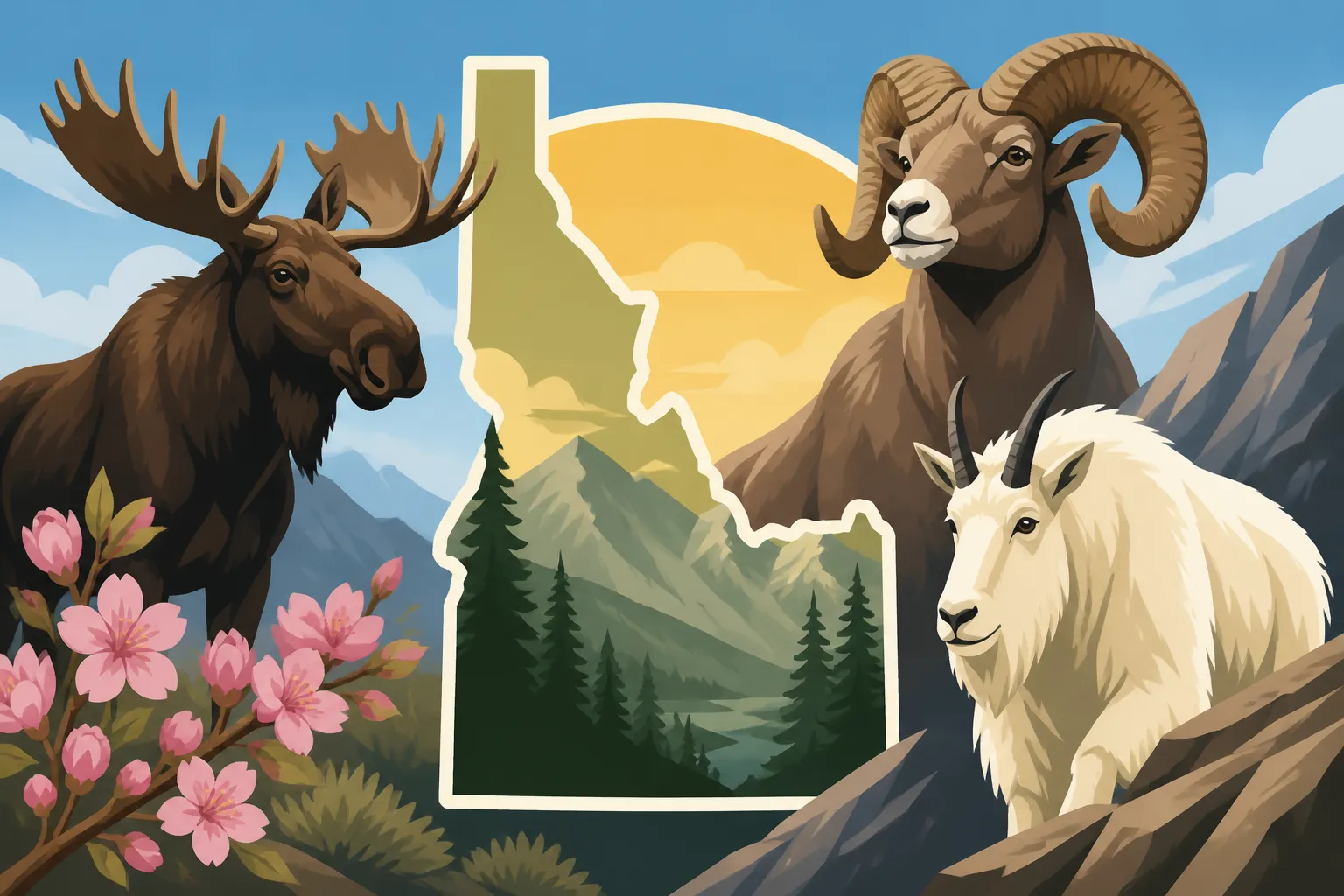
If you're like many hunters, you dream of drawing a coveted tag for one of Idaho's truly exceptional big game species – a magnificent Shiras moose, a majestic bighorn sheep, or a nimble mountain goat. The allure is undeniable, but the process of actually getting one of these tags can feel like navigating a maze, especially with specific application windows and rules. It's easy to get overwhelmed, wondering when and how to even throw your hat in the ring. This guide is here to clear the confusion, walking you through Idaho's crucial April application period for these highly sought-after trophy species.
Understanding Idaho's Trophy Species Lottery System
Let's be honest, the idea of drawing a moose, sheep, or goat tag in Idaho can feel like winning the lottery, and in many ways, it is. These aren't your typical general season deer or elk tags where you can just buy over the counter. These are special opportunities, meticulously managed by the state to protect fragile populations and ensure sustainable hunting for future generations.
Why Moose, Sheep, and Goat are Controlled Hunts
The primary reason these tags are so limited boils down to biology and conservation. Moose, bighorn sheep, and mountain goats all have unique life histories, specific habitat requirements, and often slower reproductive rates compared to deer or elk.
For instance, bighorn sheep populations can be incredibly susceptible to disease and habitat encroachment. Their existence often relies on very specific, rugged terrain that limits their overall numbers. Similarly, mountain goats thrive in the most extreme alpine environments, which are naturally limited. Shiras moose, while more widespread than the others, still require specific wetland and browse habitats that are not universal across the state. Because of these factors, the Idaho Department of Fish and Game (IDFG) issues a very small number of tags each year for these species through what's known as a "controlled hunt" lottery. This isn't just about making them prestigious; it's about making sure we don't overharvest and deplete these incredible animals. The demand for these tags far outstrips the supply, creating the highly competitive draw that we all face. This scarcity makes every successful draw a truly once-in-a-lifetime (or close to it) experience for many hunters, especially given the rules around how often you can draw certain species.
The Absence of Preference Points in Idaho
One of the biggest distinctions, and frankly, one of the most frustrating aspects for many, is Idaho's pure lottery system. Unlike some other Western states that use preference points or bonus points to give long-time applicants a statistical advantage, Idaho operates on a true, even-odds draw. This means that every single application for moose, bighorn sheep, or mountain goat starts fresh each year with the same chance as any other applicant.
There's no building up points over years of applying, no reward for your loyalty or persistence. While this can be disheartening for those who've been applying for a decade with no success, it also means that a first-time applicant truly has the same statistical shot as someone who has been in the game for ages. You can easily see how this system works when you look into how many years it takes to draw Idaho moose, for example. The upside is that everyone, regardless of their history, enters the April draw with an equal shot. The downside is that it can lead to prolonged periods of applying without success, making it feel like an endless waiting game with no guarantee. This "equal opportunity" system forces hunters to re-evaluate their strategy each year, focusing more on the immediate odds of a given unit rather than relying on an accumulated advantage. It means you can't really plan for a moose hunt five years down the road based on point accumulation; you just have to keep applying and hope your lucky number comes up.
Navigating the April Application Window
Alright, so we know these tags are tough to draw, but when exactly do you throw your hat into the ring? The April application window is absolutely critical for anyone hoping to land one of Idaho's premier trophy species. Miss this window, and you're out of luck for the entire year. It’s a short, but incredibly important, period.
Key Dates and Deadlines
The controlled hunt application period for moose, bighorn sheep, and mountain goat in Idaho typically opens in April and runs for a specific, often tight, window. While the exact dates can shift slightly from year to year, it generally opens around April 1st and closes around April 30th. This means you usually have about a month to get your applications in. It sounds like plenty of time, but trust me, it flies by. You don't want to be scrambling on the last day, encountering website glitches or forgetting crucial information. My best advice is to mark your calendar early, set reminders, and aim to submit your applications well before the final deadline.
The process itself is primarily handled online through the Idaho Fish and Game website. You'll need to have an active hunting license (more on that below) and carefully follow the step-by-step application instructions. Many folks also apply through authorized license vendors, but the online portal is often the most convenient. It’s imperative to double-check every single piece of information before submitting, especially your chosen hunt units and species. A small mistake can cost you a year of opportunity, and believe me, that sting is real when you've been dreaming of one of these tags. Missing the deadline to claim a drawn tag is one thing, but missing the application period entirely is a whole other level of disappointment.
Species-Specific Application Considerations
It's not just a single "trophy hunt" application; each of these species—Shiras moose, Rocky Mountain Bighorn Sheep, California Bighorn Sheep, and Mountain Goat—has its own separate application and associated fees. This means if you want to apply for all of them, you'll be submitting multiple applications and paying multiple application fees.
For bighorn sheep and mountain goat, Idaho has a "once-in-a-lifetime" rule, with a specific nuance for sheep. For bighorn sheep, it's once-in-a-lifetime per subspecies. This means if you draw and harvest a Rocky Mountain Bighorn Sheep, you can still apply for a California Bighorn Sheep tag in a future year, and vice-versa. However, once you've harvested one of a subspecies, you cannot apply for that same subspecies again. For mountain goats, it's a straightforward once-in-a-lifetime rule across the board. Moose tags, while incredibly difficult to draw, don't carry the same once-in-a-lifetime restriction, meaning you could theoretically draw more than once, though the odds of that are astronomical for most hunters. When you apply, you'll also be selecting specific hunt areas or units. This isn't a general statewide tag. Researching these units is crucial, considering factors like terrain, accessibility, and historical success rates, which we'll dive into next. Each unit offers different drawing odds and different hunting experiences, making your choice critical. For example, some units might have higher drawing odds but more challenging terrain, while others are the exact opposite. Tools like GoHunt can be invaluable in filtering through these unit choices, making sense of the mountains of data.
Strategies for Improving Your Chances (and Managing Expectations)
Since Idaho doesn't have preference points, "improving your chances" isn't about accumulating loyalty points. It's more about smart research and making informed decisions within the pure lottery system. It's about playing the odds as intelligently as possible, all while keeping a realistic perspective on just how tough these tags are to draw.
Researching Drawing Odds and Hunt Units
This is where the real homework comes in. While you can't influence the random number generator, you can absolutely choose which hunts you apply for based on historical data. The Idaho Fish and Game (IDFG) website is your primary resource for past drawing odds and harvest statistics. They publish detailed reports outlining how many tags were offered for each unit, how many applicants there were (resident and nonresident), and the resulting draw odds. You can find out, for instance, what the Idaho Moose Controlled Hunt Draw Odds were last year, or delve into the Idaho Bighorn Sheep Draw Odds Explained.
Beyond the raw numbers, you need to understand the units themselves. What kind of terrain do they cover? What's the public land percentage? How accessible is the unit, and what kind of physical challenge does it present? A unit with slightly better drawing odds might be a brutal backcountry grind, while one with tougher odds might offer more manageable access. This is where external resources, like the GoHunt Insider platform, truly shine. They aggregate and analyze IDFG data, presenting it in an easily digestible format, complete with maps, statistics, and expert insights that can help you make a more strategic choice. Looking at the "Idaho Mountain Goat Draw Odds Explained" and comparing those against the specific hunt areas can help you decide if you want to go for the longest shot with the biggest reward or a slightly less difficult draw in a different area. Remember, success rates aren't just about drawing the tag; they're also about successfully harvesting an animal once you have it. Don't just chase the highest drawing odds; chase the hunt experience you truly desire and are prepared for.
Applying as a Nonresident vs. Resident
Let's not sugarcoat it: if you're a nonresident, your odds of drawing one of these coveted tags are significantly lower than those of an Idaho resident. This is a common practice in Western states, designed to prioritize resident hunters for their local wildlife resources. Idaho sets aside a very small percentage of these controlled hunt tags for nonresidents, making the draw incredibly competitive.
For example, when looking at the Idaho Moose Controlled Hunt Draw Odds, you'll see a stark difference between resident and nonresident success rates. While a resident might have a 1-2% chance in a given unit, a nonresident might be looking at 0.1% or even less. This reality can be tough to swallow, especially when you're investing significant time and money into the application process. Beyond the odds, the financial commitment for nonresidents is substantially higher, starting with the upfront purchase of a nonresident hunting license which is required just to apply. This license is non-refundable, even if you don't draw any tags. Then, if you are lucky enough to draw, the tag fees themselves are considerably more expensive for nonresidents. It's crucial for nonresidents to enter this process with eyes wide open, understanding that they are playing a very long game. Many nonresidents apply for years, even decades, before drawing one of these tags, if they ever do. The best approach is to manage expectations, focus on the experience of applying, and enjoy the anticipation of what could be, rather than banking on a guaranteed outcome.
The Financial Side of Trophy Hunts
The dream of an Idaho trophy hunt is often accompanied by the harsh reality of its cost. Applying for these tags isn't cheap, and the financial commitment begins long before you ever set foot in the field, or even before you know if you've drawn a tag. It's a significant investment, both in terms of time and money, and it’s critical to understand where your money is going.
Understanding License and Tag Costs
Before you can even think about applying for a moose, sheep, or goat controlled hunt tag, you must purchase a valid Idaho hunting license. For nonresidents, this is a significant upfront cost. For example, the Idaho Nonresident Hunting License Price is a substantial fee that you pay just for the privilege of applying. This is a common point of frustration for many, as the license fee is non-refundable, even if you don't draw any of the coveted tags you applied for. This is often the first financial hurdle and one that requires careful consideration. You're essentially buying the right to enter the lottery, not a guaranteed prize.
Beyond the license, there are application fees for each species you apply for. These are typically smaller administrative fees, but they add up if you're applying for multiple species. Then, if you are one of the incredibly fortunate few to draw a tag, you'll face the actual tag fee, which is a significant cost in itself. Moose, bighorn sheep, and mountain goat tags are among the most expensive big game tags available for nonresidents in Idaho. Here's a simplified breakdown of typical nonresident costs (exact figures can change yearly, so always consult current IDFG regulations):
| Item | Approximate Nonresident Cost (USD) | Notes |
|---|---|---|
| Annual Hunting License | $195.00 | Required to apply for any controlled hunt, non-refundable. |
| Application Fee (per species) | $10.00-$20.00 | Separate fee for Moose, Sheep, Goat applications. Non-refundable. |
| Moose Tag (if drawn) | $2,100.00 – $2,200.00 | Must be purchased by deadline if drawn. |
| Bighorn Sheep Tag (if drawn) | $2,100.00 – $2,200.00 | Must be purchased by deadline if drawn. |
| Mountain Goat Tag (if drawn) | $2,100.00 – $2,200.00 | Must be purchased by deadline if drawn. |
As you can see, the total cost for a nonresident to simply apply, and then purchase a drawn tag, quickly reaches into the thousands of dollars. This initial investment for the license and application fees is a sunk cost, a gamble, if you will, on the chance of drawing. This is why Idaho charges the license before the draw – it covers the administrative costs and ensures only serious applicants are in the running.
What Happens if You Don't Draw
The most common outcome for applicants targeting moose, sheep, or goat in Idaho is, unfortunately, not drawing a tag. Given the extremely low odds, especially for nonresidents, this is the reality for the vast majority of hunters, year after year. When you don't draw, those application fees are gone, and crucially, your nonresident hunting license fee is also gone, as it is non-refundable.
This can be incredibly frustrating. You've invested your money, your time researching units, and your hopes, only to receive a "not drawn" notification. It's easy to feel like you've thrown money away, but it's important to view it as the cost of entry into a highly exclusive lottery. The state uses these funds to manage wildlife resources, so while you didn't get a tag, your contribution still supports conservation efforts. However, the emotional toll can be real. Many hunters apply for decades, watching their dream deferred year after year. It's why managing expectations is so important. Don't plan your entire year around drawing one of these tags. Instead, view it as a bonus if it happens. If you find yourself in the "not drawn" category, you still have opportunities to pursue other species in Idaho or other states, or you can begin planning your strategy for the next year's April application window. There's always the chance that leftover Idaho tags might become available for less popular species or units after the second drawing, offering a different kind of opportunity. The key is to be resilient, keep learning, and decide if the long game is worth the wait for you.
Post-Application: What Comes Next
Once you've navigated the application process and submitted your choices, the hardest part for many begins: the wait. The period between the April application deadline and the release of results can feel like an eternity, filled with anticipation, hope, and a healthy dose of anxiety.
When Idaho Posts Controlled Hunt Results
The Idaho Department of Fish and Game typically releases the results for the April controlled hunt draw (which includes moose, bighorn sheep, and mountain goat) in mid-May. While the exact date can vary by a few days each year, you can usually expect to hear something in the second or third week of May. The IDFG will announce the results on their website, and often, applicants will receive an email notification. You'll need to log into your GoOutdoorsIdaho account to check your specific results.
This moment, checking those results, is a real mixture of excitement and dread. Your heart might pound a little faster as you click through to your application status. Will it be the glorious "Drawn" message you've been dreaming of, or the all-too-common "Not Drawn" that sends a pang of disappointment through you? Many hunters rely on resources like GoHunt, which often provides timely updates and tools to check results efficiently as soon as they are released. It’s a moment that can instantly shift your entire hunting year plan, so be ready for either outcome. For those who are successful, the true planning begins! For those who aren't, it's a moment to regroup, perhaps look into other opportunities like general season tags, or simply start dreaming about next year's application.
Claiming Your Tag and Preparing for the Hunt
If you are one of the incredibly fortunate hunters to draw a moose, bighorn sheep, or mountain goat tag, congratulations! But don't celebrate too long without acting, because there's a crucial next step: you must purchase your tag by a specific deadline. The deadline for purchasing drawn tags typically falls in early to mid-August. Missing this deadline means you forfeit your tag, and it will then be offered to an alternate applicant or become available in a later leftover tag sale. This would be an absolutely devastating outcome after the long wait and successful draw, so mark this date on every calendar you own!
Once your tag is secured, the real work and excitement of planning your trophy hunt begin. This isn't a casual endeavor. These hunts often take place in remote, rugged, and physically demanding terrain. You'll need to dive deep into researching your specific hunt unit, understanding its boundaries, access points, and the likely movements of your target species. Physical conditioning for Idaho backcountry becomes paramount. You'll likely be hiking miles, gaining thousands of feet in elevation, and potentially packing out a heavy animal in challenging conditions. This is where your fitness truly pays off. Beyond physical preparation, you'll need to finalize your gear list, ensuring you have reliable optics, appropriate clothing layers for unpredictable mountain weather, and the right firearm or archery equipment for the unique challenges of moose, sheep, or goat hunting. This is also the time to decide if you'll be undertaking a DIY hunt or hiring a guide, especially if you're a nonresident hunting in a wilderness area.
Beyond the Lottery: What a Tag Entails
Drawing a tag for a trophy species in Idaho is just the first step on what will likely be one of the most memorable hunting adventures of your life. The tag itself comes with a whole set of responsibilities and specific rules that are absolutely critical to understand before you ever step foot in the field.
Understanding Hunt Area Boundaries and Regulations
A moose, bighorn sheep, or mountain goat tag is never valid statewide. It's always tied to a very specific Game Management Unit (GMU) or a designated hunt area. This means you need to become intimately familiar with the exact boundaries of your unit. Relying on paper maps, GPS devices, and mapping apps like onX Hunt is essential. You must know where your legal hunting area begins and ends to avoid accidentally trespassing or hunting in an unauthorized zone. Reading a Controlled Hunt Area Boundary on a map can be complex, especially in rugged terrain, but it’s a non-negotiable part of your pre-hunt preparation.
Beyond geographical boundaries, each species and hunt unit will have specific regulations you must adhere to. For bighorn sheep, for example, there are strict ram curl requirements to ensure only mature rams are harvested. You'll need to know exactly what constitutes a legal ram in your unit, often requiring judging the sheep's horn curl from a distance. For all species, legal shooting hours, specific weapon restrictions (even if you drew a general season weapon tag, individual units may have further limits), and reporting requirements are paramount. Always carry a copy of the current year's Idaho hunting regulations booklet and consult it frequently. Ignorance of the law is never an excuse, and a misstep could cost you your tag, your animal, and potentially lead to legal trouble. This deep dive into the regulations ensures not only a legal hunt but also an ethical one that respects the animal and the resource.
Wilderness Considerations for Nonresidents
This is one of the most critical and often misunderstood aspects for nonresidents who draw a trophy tag in Idaho: the wilderness guide rule. If you, as a nonresident, draw a tag for elk, bighorn sheep, or mountain goat, and your designated hunt unit includes any portion of a federally designated wilderness area, Idaho law requires you to either:
- Hire a licensed Idaho outfitter and guide, or
- Hunt with a resident Idaho hunter who is not acting as a paid guide.
This is a huge factor that can dramatically increase the cost and complexity of your hunt. Idaho Forces Nonresidents to Hire a Guide for Wilderness Elk, and the same rule applies to sheep and goat. The idea behind this rule is to manage pressure and ensure proper oversight in these remote, pristine areas. Idaho has vast and iconic wilderness areas, such as the Frank Church-River of No Return Wilderness and portions of the Selway-Bitterroot Wilderness. If your drawn unit touches these areas, even if you plan to hunt only the non-wilderness portions, this rule still applies to your tag if the wilderness portion is open to hunting.
This means that if you draw a sheep or goat tag in a unit with wilderness, you're looking at a significant additional expense to hire an outfitter, which can easily add tens of thousands of dollars to your hunt cost. Alternatively, finding a resident hunting partner who is willing and able to accompany you into the wilderness for the duration of your hunt can be a challenge. It's a non-negotiable requirement that can quickly change a planned DIY backcountry adventure into a guided expedition. It’s absolutely vital to research whether your potential hunt unit includes a wilderness area and how that impacts your nonresident status before you apply, so you can factor in this considerable logistical and financial hurdle. Understanding these rules upfront will prevent a major shock if you are lucky enough to draw a tag.
Disclaimer
Please remember that hunting regulations, seasons, and tag allocations are subject to change annually. Always consult the official Idaho Department of Fish and Game (IDFG) website and the current year's hunting regulations booklet before planning any hunt or submitting applications. This content is for informational purposes only and does not constitute legal advice.