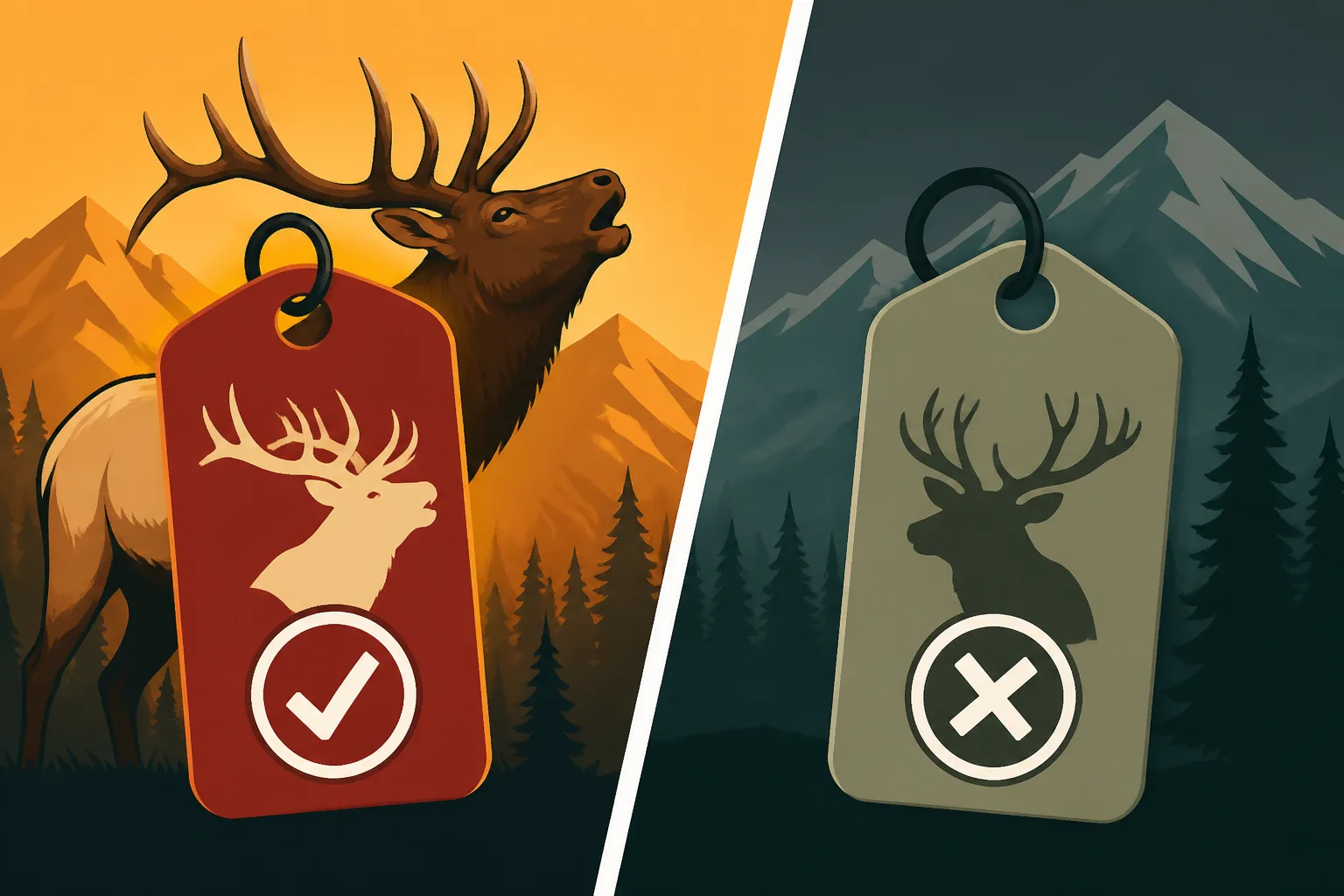
Capped Elk Zones Sell Out While General Tags Sit
It's a familiar scenario for many Idaho hunters, especially those new to the system or coming from out of state: you log on the moment tags go live, ready to secure your elk hunt, only to find the tags you wanted for a "capped" zone are already gone, while "general" tags seem to sit for weeks or even months. This can be incredibly frustrating and leave you wondering what secret handshake you missed. This comprehensive guide is here to demystify Idaho's elk tag system, explaining exactly why capped elk zones sell out so quickly while general tags linger, and how you can navigate this landscape to increase your chances of a successful hunt.
Understanding Idaho's Elk Tag Landscape
Navigating Idaho's elk tag system can feel like trying to decipher an ancient map, especially when you hear tales of tags disappearing in minutes. The root of this rapid sell-out for some tags, while others sit, lies in the fundamental distinctions Idaho Fish and Game makes between different types of elk hunting opportunities. It's not just about drawing a tag; it's about drawing the right tag for your preferred hunt style, weapon, and timing, and understanding the supply and demand at play for each.
The Fundamental Divide: Capped Zones vs. General Hunts
Idaho's elk hunting opportunities are broadly categorized into two main buckets for over-the-counter (OTC) sales: general tags and capped zone tags. While both offer a chance to hunt elk, the experience, the regulations, and critically, the availability, differ wildly. General tags are typically available for many units across the state, often with more flexible season dates and weapon choices depending on the specific unit and hunt code. These are the tags that, for a long time, were the backbone of Idaho's reputation as an accessible elk hunting destination, and they still offer incredible opportunities. You might be interested in learning about Idaho Elk Zones and the A Tag or B Tag Choice to understand how these designations play into the broader picture of available hunts.
Capped zones, on the other hand, represent specific units or groups of units where Idaho Fish and Game has determined a need to limit hunter numbers to manage elk herds, reduce crowding, or enhance the quality of the hunting experience. These zones have a finite number of tags available, both for residents and non-residents, and once that cap is reached, no more tags are sold for that particular zone. This scarcity creates immense demand, especially from non-residents eager to secure a spot in a desirable area. The difference in demand, fueled by perceived quality and opportunity, is the primary driver behind their rapid sell-out. It’s a classic economic principle of supply and demand playing out in the backcountry.
Why Capped Zones Exist: Managing Pressure and Quality
The creation of capped elk zones wasn't arbitrary; it was a deliberate strategy by the Idaho Fish and Game to achieve specific management goals. One of the primary reasons is to manage hunter pressure. In certain popular or easily accessible areas, an unlimited number of hunters could lead to overcrowding, which not only diminishes the quality of the hunting experience but can also make elk more nocturnal and difficult to locate. By capping tags, the state aims to distribute hunters more effectively, reducing pressure on the elk and on the land itself.
Another significant factor is the desire to maintain or improve the quality of the hunt. This can mean anything from managing bull-to-cow ratios to ensuring a healthy age structure within the bull population. In some capped zones, you might find regulations designed to promote older, more mature bulls, leading to a higher potential for harvesting a trophy animal. This emphasis on quality, whether perceived or actual, understandably draws a huge number of applicants. For hunters seeking a specific type of experience—perhaps a less crowded hunt or a better chance at a mature bull—capped zones become incredibly appealing. This balancing act of opportunity and quality is a constant challenge for wildlife managers, and capped zones are one of their tools to address it. Understanding the intent behind these zones helps explain why they're such hot commodities.
The Allure of Capped Elk Zones
There's no denying the magnetic pull of Idaho's capped elk zones. For many hunters, these zones represent the pinnacle of accessible public land hunting in the West, promising a unique blend of challenge and reward. It’s this promise, often backed by statistics and anecdotal evidence, that fuels the frenzy when tags go on sale. But what exactly makes them so desirable that tags vanish in moments?
Higher Success Rates and Quality Potential
One of the most compelling arguments for hunting in a capped elk zone is the often-cited higher success rates. While hunting is never a guarantee, the reduced hunter density in these zones can translate to elk that are less pressured, more predictable, and more likely to be found during daylight hours. This isn't just wishful thinking; Idaho Fish and Game's harvest statistics frequently show that certain capped units consistently outperform general units in terms of hunter success, especially for bulls. It's not always a dramatic difference, but even a few percentage points can feel significant when you've invested time, money, and emotional energy into a hunt.
Beyond mere success, there's the perceived and sometimes actual potential for higher quality animals. Some capped zones are managed with stricter antler point restrictions or have a history of producing larger, more mature bulls. While a "trophy" is always in the eye of the behunter, the idea of pursuing a mature animal in a less crowded setting is a powerful motivator. Hunters often pore over harvest reports, and forums buzz with discussions about which units have produced the biggest bulls, further solidifying the reputation of these capped zones. However, it's crucial to remember that "potential" doesn't equal "guarantee"; it's still hunting, and elk are still wild animals. But the increased odds and promise of a less-pressured experience are key drivers for their popularity.
The "Any-Weapon" and Extended Season Appeal
Another significant draw of many capped elk zones is the often more liberal weapon choice and extended season dates. While general hunts often involve specific archery-only, muzzleloader-only, or rifle-only seasons, many capped zones offer longer "any-weapon" seasons or overlapping opportunities that appeal to a broader range of hunters. For example, a hunter might prefer the versatility of a rifle but still appreciate the early season opportunities typically reserved for archery. An any-weapon season in a capped zone can provide this flexibility. Learning How to Pick Between an Idaho A Tag and a B Tag can shed more light on how weapon choices and season structures differ across the state, and how capped zones sometimes offer unique combinations.
The extended season length is equally appealing. In some general units, seasons might only last a week or two, forcing hunters to cram their entire hunt into a short window, often coinciding with peak pressure. Capped zones sometimes feature seasons that span several weeks, or even a month or more, giving hunters more flexibility to plan their trip, adapt to weather patterns, and thoroughly scout their chosen area. This added time can be a game-changer for out-of-state hunters who travel long distances, allowing for a more relaxed and strategic approach to their hunt rather than a frantic dash. This combination of flexibility and time makes capped zones incredibly attractive, justifying the effort to secure one of these coveted tags.
Navigating the Early Sale Frenzy
When tags for capped zones go on sale, it's not merely a transaction; it's often a high-stakes, rapid-fire event. For non-residents, especially after Idaho moved nonresident deer and elk tags into a draw for 2026, the stakes are incredibly high, as the number of available tags is already severely limited. The moment the sale window opens, thousands of hunters are simultaneously trying to complete their purchases, leading to website slowdowns, refresh wars, and often, heartbreaking "sold out" messages just seconds after logging in. It's a testament to the demand that even with robust online systems, the sheer volume of concurrent users can overwhelm servers.
To have a chance, hunters must be meticulously prepared. This means having their Idaho hunting license already purchased (if required for the specific tag type), their payment information pre-saved, and being logged into the GoOutdoorsIdaho system well in advance of the sale time. Many seasoned hunters even practice the checkout process on less popular tags or test their internet speed. It's a digital sprint where milliseconds can make the difference between a dream hunt and a year of regret. While it can feel overwhelming, understanding that this rush is a direct consequence of high demand for limited, desirable tags helps frame the experience. For those targeting a capped zone, "being ready" means being ready to act instantly.
The Reality of General Elk Tags
While capped zones grab all the headlines with their lightning-fast sell-outs, Idaho's general elk tags are the workhorses of the state's hunting opportunities. They represent the vast majority of available tags and offer excellent hunting for those willing to put in the effort and understand their nuances. It's easy to dismiss them when you hear about the "premium" capped zones, but that would be a mistake; incredible experiences and successful hunts happen in general units every single year.
Wider Availability, but Different Challenges
The most apparent difference for general elk tags is their much wider availability. Unlike capped zones, which have a hard limit on sales, general tags are designed to accommodate more hunters across a broader geographical area. This means you generally don't have to face the frantic, minute-by-minute race to click "buy" when they become available. Often, these tags remain on sale for weeks or even months into the season, giving hunters more time to plan and purchase. This accessibility is a huge benefit for those who may not have rigid travel schedules or who decide on a hunt later in the year.
However, wider availability often comes with different challenges. More hunters can mean increased pressure on elk herds, especially in easily accessible areas or on opening weekend. Elk might become warier, more nocturnal, and quickly pushed into thicker cover or steeper terrain. This doesn't mean general units are "hunted out," but it does mean hunters often need to be more strategic and willing to put in extra effort. That might involve hiking further, scouting harder, or hunting during less conventional times. Using tools like The Idaho Hunt Planner Is the Tool to Start With can help you scout and understand the terrain and access challenges in general units before you ever step foot in the woods. While the competition for a tag isn't as fierce, the competition for an elk can be just as demanding.
Weapon Restrictions and Shorter Seasons
Another key difference between general and capped tags often lies in the weapon restrictions and season lengths. Many general elk hunts are broken down into specific weapon seasons: archery-only, muzzleloader-only, and general rifle seasons. This specialization means hunters must commit to a particular weapon type for a given season, which might not always align with their preferred hunting style or equipment. For instance, a hunter might prefer the longer range of a rifle but find that the rifle seasons in many general units are shorter and occur later in the year compared to some archery or muzzleloader opportunities. This often means making a choice between desired weapon and desired season timing.
Furthermore, general seasons tend to be shorter than many capped zone seasons. It's not uncommon to see general rifle seasons lasting only 7-10 days in some areas, especially during the peak rut or post-rut periods. This compressed timeframe requires efficiency and dedication. If weather conditions turn sour or the elk are simply not cooperating during that short window, a hunter's chances can diminish rapidly. These restrictions and shorter windows contribute to why general tags don't sell out as quickly; they cater to a more specific segment of hunters at specific times, and the perceived "difficulty" or reduced flexibility can make them less attractive to the masses compared to the all-encompassing nature of many capped zones.
Finding Opportunity in General Hunt Units
Despite the challenges, general hunt units offer abundant opportunities for resourceful hunters. The sheer scale of available public land in Idaho means that even in general units, there are vast tracts of wilderness where elk reside. Success often comes down to research, scouting, and a willingness to explore less-traveled areas. Instead of focusing solely on popular trailheads, consider glassing breaks and benches for mule deer or even elk from a distance or delving into areas with more difficult access that might deter casual hunters. This is where pre-season e-scouting and physical conditioning truly pay off.
Many successful general season hunters focus on finding areas with good feed, water, and cover that are a few miles from roads or popular access points. They might employ tactics like still-hunting timber for bedded mule deer or learning how to call elk on pressured National Forest ground. Sometimes, it's about shifting your mindset from a "trophy hunt" to a "meat hunt," which often opens up more opportunities in less glamorous areas. The flexibility of general tags also means you can often combine a deer hunt with an elk hunt, especially if When Idaho General Deer Season Opens aligns with your elk season. Don't underestimate the potential of general tags; they are where many lifelong hunting memories are made, often by those who value the challenge and the experience over the promise of a "guaranteed" opportunity.
Strategic Planning for Idaho Elk Tags
Whether you're aiming for a coveted capped zone tag or planning a solid general unit hunt, strategic planning is absolutely paramount. In Idaho, simply showing up isn't enough; you need a well-researched plan, an understanding of the timeline, and often, a backup strategy. This foresight is what separates successful hunters from those left empty-handed.
Researching Zones and Units with Tools like GoHunt
The first step in any successful Idaho elk hunt is thorough research, and thankfully, modern tools make this more accessible than ever. Understanding which Idaho Elk Zones and the A Tag or B Tag Choice might be best for your hunting style, weapon preference, and desired season dates is critical. This means diving deep into unit-specific regulations, success rates, public land percentages, and anecdotal evidence. Platforms like GoHunt become invaluable here, offering detailed maps, harvest statistics, draw odds, and filtering capabilities that allow hunters to compare units side-by-side.
Imagine you're targeting a specific capped zone, say, in the Lolo Zone. GoHunt allows you to overlay public and private land, see historical harvest data for that unit, and even identify potential access points or areas of high elk density based on topography. This level of detail helps you narrow down your choices and formulate a scouting strategy long before you ever set foot in Idaho. You can identify potential areas to Glassing Idaho Breaks for Mule Deer or where you might find elk in timbered areas. This meticulous research phase, aided by comprehensive online resources, forms the bedrock of a well-executed hunt plan, preventing costly mistakes and maximizing your chances of finding elk.
The Importance of Application Timing
For capped zone tags, timing isn't just important; it's everything. These tags are often released at a specific date and time, and if you're not online and ready to purchase the very second they become available, you'll likely miss out. This is particularly true for non-residents, as the Idaho Moved Nonresident Deer and Elk Tags Into a Draw for 2026 means even more competition for existing opportunities in the years leading up to the change. Therefore, knowing the exact sale dates and times, having your account pre-loaded with necessary information, and being logged in well in advance are non-negotiable steps. Set multiple alarms, clear your schedule, and treat it like a critical appointment.
For general tags, while the rush isn't as intense, timing still plays a role. Buying your tag earlier ensures you have it in hand, and it allows you to participate in any early season opportunities that might exist. Waiting too long, even for general tags, could mean missing out on specific weapon seasons or desirable hunt codes if there are any subtle caps or sell-outs in those categories. Furthermore, if you're planning to apply for any controlled hunts for other species, understanding The Idaho Controlled Hunt Calendar, April Through August is crucial, as overlapping deadlines can be easy to miss. Proactive planning for all your Idaho hunting aspirations, especially regarding key application and sale dates, is the best way to avoid disappointment.
Considering a Backup Plan with General Tags
Given the intense competition for capped zone tags, it’s always wise to have a backup plan. This is where Idaho's general tags truly shine. If your primary goal is to hunt elk in Idaho, regardless of the specific unit or season structure, having a general tag as a fallback can turn potential heartbreak into continued opportunity. Many hunters will try for a capped zone tag first, knowing that if they miss out, they can pivot to a general unit. This flexibility means you still get to go hunting, even if it's not the "dream hunt" you initially envisioned.
Developing this backup plan means researching a few solid general units in advance. Look for areas with good public land access, reasonable success rates, and season dates that align with your availability. Consider what type of hunting you're willing to do—are you open to an archery hunt if rifle tags are harder to come by? Are you prepared to hike into tougher terrain to escape pressure? Having these answers ready will make the transition seamless if your capped zone aspirations don't materialize. Remember, a general tag in Idaho can still offer an incredible backcountry experience and the chance to harvest an elk. Don't discount them just because they don't sell out in seconds.
Factors Influencing Tag Sell-Outs
The rapid disappearance of capped elk zone tags isn't random; it's a direct result of several interwoven factors that create a perfect storm of demand. Understanding these influences can help hunters anticipate the competition and better strategize their approach to securing a coveted Idaho elk tag.
Non-Resident Quotas and Competition
One of the most significant drivers of quick sell-outs, especially for non-residents, is the limited number of tags allocated to out-of-state hunters. Idaho sets aside a specific quota of deer and elk tags for non-residents, and within that quota, even fewer are available for the highly sought-after capped zones. For example, Idaho Sets Aside 1,846 Deer and 2,975 Elk Tags for Nonresidents each year. When you divide those elk tags across all the different zones and hunt types, the number available for any single, popular capped zone becomes incredibly small.
This scarcity creates fierce competition. Thousands of non-resident hunters from across the country are often vying for a few hundred, or even just a few dozen, tags in a desirable unit. They are drawn by Idaho's reputation for accessible public land hunting and its general OTC tag structure, but then quickly learn the reality of the capped zones. When tags for a unit known for good bull hunting or extended seasons become available, it's a race against thousands of other highly motivated individuals. This intense competition from a national pool of hunters is a primary reason why capped zone tags vanish almost instantly, far faster than tags that residents apply for, or general tags that have a larger allocation.
Resident Preference and Timing
While non-residents face an uphill battle, Idaho residents also experience the challenge of securing capped zone tags, though often with a slightly different timeline and a higher allocation. Residents typically have a separate quota for these desirable zones, and they often get a head start on purchasing or applying compared to non-residents. This preference is standard practice in many western states, ensuring that residents have priority access to their state's wildlife resources.
However, even with preferential treatment, demand from residents can still outstrip supply in the most popular capped zones. Residents might have a specific unit they've hunted for years, or they might be targeting a particular quality hunt. This leads to residents often being just as eager to secure their tags, sometimes lining up at Fish and Game offices or logging on immediately. This is particularly true for units known for their trophy potential or unique season structures. For instance, Why Idaho Residents Wait Five Days for Capped Tags might seem counter-intuitive, but it's part of a system designed to manage demand and ensure fairness, even among residents. So, while non-residents face intense competition, residents aren't entirely immune to the pressure of quick sell-outs in specific, highly sought-after capped zones.
The "Word of Mouth" and Online Buzz Effect
In today's interconnected world, information travels fast, and this significantly impacts the demand for Idaho's capped elk zones. A single photo of a large bull harvested from a specific unit, a glowing review in a hunting magazine, or a viral social media post can instantly elevate a previously under-the-radar capped zone into a must-hunt destination. "Word of mouth," amplified by online hunting forums, blogs, and platforms like YouTube, creates immense buzz around units perceived to offer exceptional opportunities.
Hunters, always looking for an edge, actively seek out this information. They pore over harvest reports, check Checking Idaho Drawing Odds Before You Apply for specific units, and follow online discussions about which units are "hot." When a capped zone gains a reputation for quality or a unique hunt experience, that buzz translates directly into increased demand the moment tags go on sale. It creates a self-fulfilling prophecy: the more popular a zone becomes, the faster its tags sell out, which then reinforces its desirability in the hunting community. This digital wildfire effect ensures that even new capped zones, or those with slight regulation changes that promise better hunting, can see their tags disappear in record time.
Maximizing Your Odds in Idaho's System
Securing an Idaho elk tag, especially for a capped zone, requires more than just luck. It demands a well-thought-out strategy that leverages your understanding of the state's unique tag allocation system and its various purchasing avenues. Even in a competitive landscape, there are ways to increase your chances.
Understanding the Idaho Draw Without Preference Points
One of the most distinctive features of Idaho's tag allocation system, and one that greatly impacts strategy, is the absence of a preference point system. Unlike many other Western states where accumulated points increase your odds of drawing a coveted tag over time, Idaho operates on a true lottery system for its controlled hunts. This means that every applicant, regardless of whether it's their first time applying or their tenth, has the same mathematical chance of drawing a tag in a given year. This is a critical distinction, and you can delve deeper into Idaho Has No Preference Points, and What That Changes.
For hunters, this means two things: first, you don't need to feel discouraged if you're a first-time applicant; your odds are just as good as anyone else's in the draw. Second, it emphasizes the importance of applying strategically each year. Instead of hoarding points, you focus on units with draw odds that align with your risk tolerance, and you might consider applying for less popular controlled hunts if drawing any controlled tag is your priority. Since there are no points, the most successful strategy is often to research desired units, apply diligently, and then quickly pivot to over-the-counter options if the draw doesn't go your way. Understanding How Idaho Draws Without a Point System is fundamental to navigating this aspect of the system.
Leveraging Leftover and Returned Tag Sales
Even if you miss out on a capped zone tag in the initial sale or don't draw your preferred controlled hunt, all is not lost. Idaho offers hunters a crucial second chance through its leftover and returned tag sales. These are tags that either weren't purchased after the initial drawing or were returned by hunters who couldn't use them. These sales are often conducted on a first-come, first-served basis, creating another fast-paced online event, but they can be a fantastic "back door" into desirable hunts. For a detailed look into this, check out Returned Tag Sales Are Idaho's Back Door.
The key to leveraging these opportunities is vigilance and readiness. Idaho Fish and Game will announce when and how these tags will be sold, often through their website and social media. You need to be actively monitoring these announcements, know the exact time the sales open, and be prepared to act quickly, just as you would for the initial capped zone sales. While the selection might be more limited, sometimes incredible tags for quality units or desirable seasons pop up. This strategy requires patience and flexibility but can absolutely pay off for those who stay engaged with the system.
When to Consider a Group Application
For some controlled hunts in Idaho, hunters have the option to apply as a group. This can be an attractive option for hunting partners who want to ensure they hunt together if they draw a tag. However, it's crucial to understand how group applications work in Idaho's no-preference-point system. When a group applies, if their application is drawn, all members of the group receive a tag. The catch is that the group's draw odds are typically determined by the applicant with the fewest points (or in Idaho's case, with no points, it simplifies to everyone having equal odds). However, some group applications for specific tags might be limited in size, or the entire group must successfully draw for anyone to get a tag.
This strategy can be beneficial if hunting with a partner is a non-negotiable part of your hunt plan. For instance, if you and a friend want to hunt elk in a specific unit and agree to only go if you can go together, a group application makes sense. Just remember to verify the specific rules for the hunt code you are targeting, as regulations can vary. It's also important that every member of the group meets all the eligibility requirements, including having purchased their The Idaho Nonresident Hunting License Price and any necessary validations. Applying as a group requires coordination and a shared understanding of the potential outcomes, but it can be a great way to ensure a shared hunting experience in Idaho.
Table: Capped vs. General Idaho Elk Tags
Here's a quick comparison to help solidify the differences between these two primary types of Idaho elk tags:
| Feature | Capped Elk Zones | General Elk Tags |
|---|---|---|
| Availability | Limited quota, sell out quickly (minutes/hours) | Widely available, often for weeks/months |
| Competition | Very High (especially non-resident) | Moderate |
| Purpose | Manage pressure, enhance quality | Provide widespread opportunity |
| Season Length | Often longer, more flexible, "any-weapon" | Shorter, specific weapon seasons (archery/rifle) |
| Hunter Density | Lower due to capped numbers | Higher, especially near access points |
| Success Rate | Often statistically higher | Varies widely, requires more effort/research |
| Purchase Method | First-come, first-served online (residents/non-residents for specific windows), or controlled hunt draw | Over-the-counter online/retailer |
| Flexibility | Less choice if specific zone desired | More choice in units/dates if primary plan fails |
Disclaimer
Please note that hunting regulations, tag availability, and application processes can change annually. While this guide provides comprehensive information based on current knowledge, always consult the official Idaho Fish and Game website and their annual regulations brochure before making any hunting plans or purchases. It is your responsibility to understand and comply with all applicable laws and regulations.